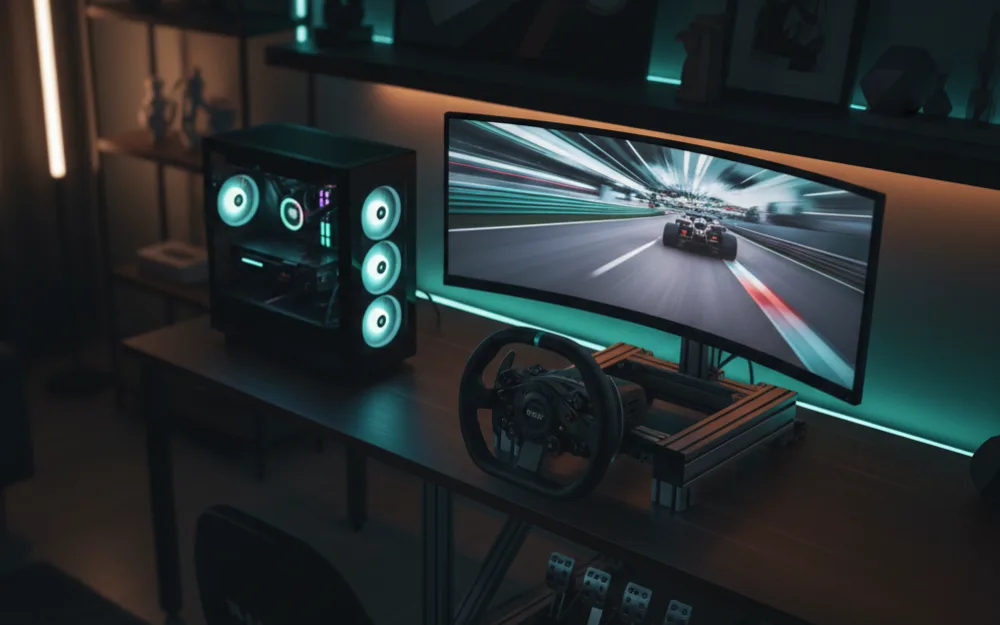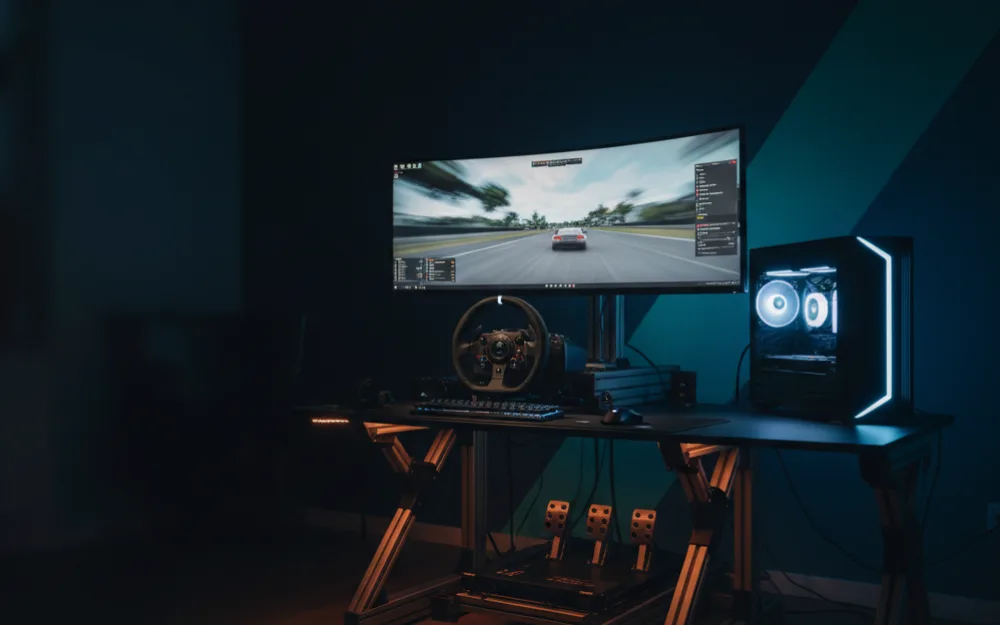

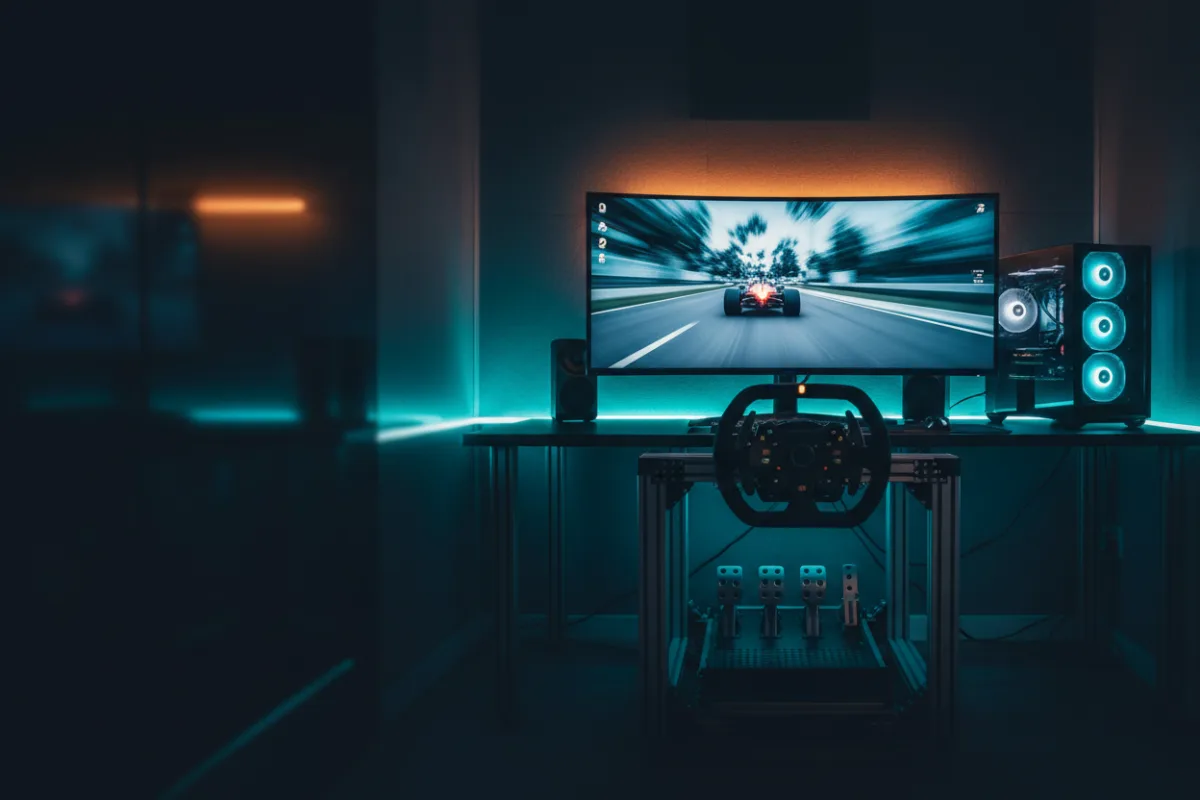

iRacing is less a game than a racing service, and that framing explains almost everything about it. It runs on a subscription, races on scheduled sessions, and gates its online events behind a licensing and safety rating system. For drivers who want the closest thing to a real racing calendar, reviewers hold it up as the benchmark. For anyone who wants to hop in, pick a car, and mess around, it is the wrong tool, and knowing which of those you are is the whole decision.
This review looks at how iRacing works, where it leads, and where its cost and structure will frustrate the wrong buyer. We compared editorial coverage with recurring player feedback rather than claiming seat time we do not have, and you can read how we review. New to sim racing? Our Getting Started hub covers the groundwork first.
At a glance
| Aspect | iRacing |
|---|---|
| Platform | PC |
| Pricing model | Subscription, plus paid cars and tracks |
| Signature system | Licensing and safety rating for ranked racing |
| Tracks | Laser scanned circuits |
| Best suited to | Structured, competitive online racing |
What the structure actually buys you
The defining feature is not the physics, it is the framework around them. iRacing schedules races in seasons, sorts drivers by a safety rating that rises with clean laps and falls with incidents, and matches you against others of similar skill. Reviewers consistently credit this system for producing online racing that is markedly cleaner than the open lobbies elsewhere. Players describe the result as the closest a sim gets to the pressure and etiquette of a real race weekend.
How it drives
The driving model draws respect for its precision. Reviewers point to laser scanned tracks that reproduce real-world bumps and camber, and a tire model that rewards consistency and punishes overdriving. Force feedback is widely described as informative rather than flashy, communicating grip clearly without artificial embellishment. The learning curve is steep by design, and players are candid that the early hours can be humbling, which is part of why the safety rating exists at all.
The cost model, stated plainly
Here is the part that decides it for many people. iRacing charges a recurring subscription, and its cars and tracks are bought individually on top of that. Players note the total can climb quickly if you chase multiple series, and the subscription runs whether you race that month or not. There is real value in the service you are renting, but it is a rental, and a buyer should go in clear-eyed about the ongoing commitment rather than a one-time purchase.
Content and community
The library is deep and varied, from oval and dirt to road and prototype racing, and reviewers credit the breadth of official series for keeping the calendar full year-round. The community and the constant race schedule are part of the appeal: there is almost always a session to enter. That same always-on structure is what makes it feel like a commitment rather than a casual pastime.
Who should buy it, and who should skip it
| Subscribe to iRacing if | Skip it if |
|---|---|
| You want structured, ranked, clean online racing | You want a one-time purchase and casual sessions |
| You value laser scanned tracks and a steep, honest challenge | You are on a console or a tight budget |
| You will race often enough to justify a subscription | You prefer offline career modes and modding |
Alternatives and next steps
If a subscription is not for you, our best sim racing games for PC roundup covers the one-time-purchase alternatives that offer their own depth. Console racers weighing a more welcoming entry should read our Gran Turismo 7 review. You can browse more titles in the PC Sims category, and since iRacing demands a capable wheel, our best sim racing wheels guide will help you pair it well.