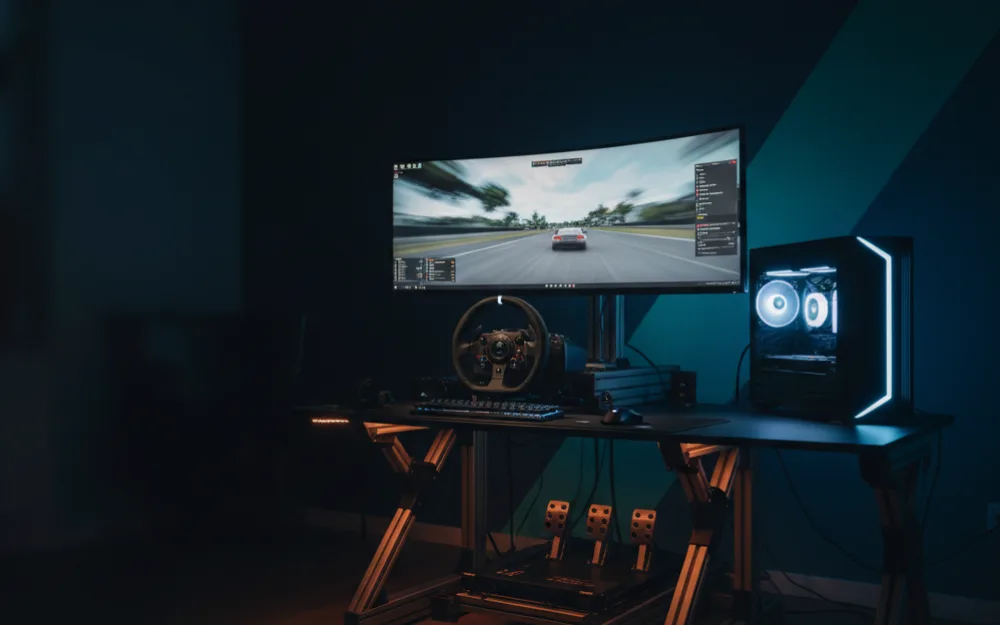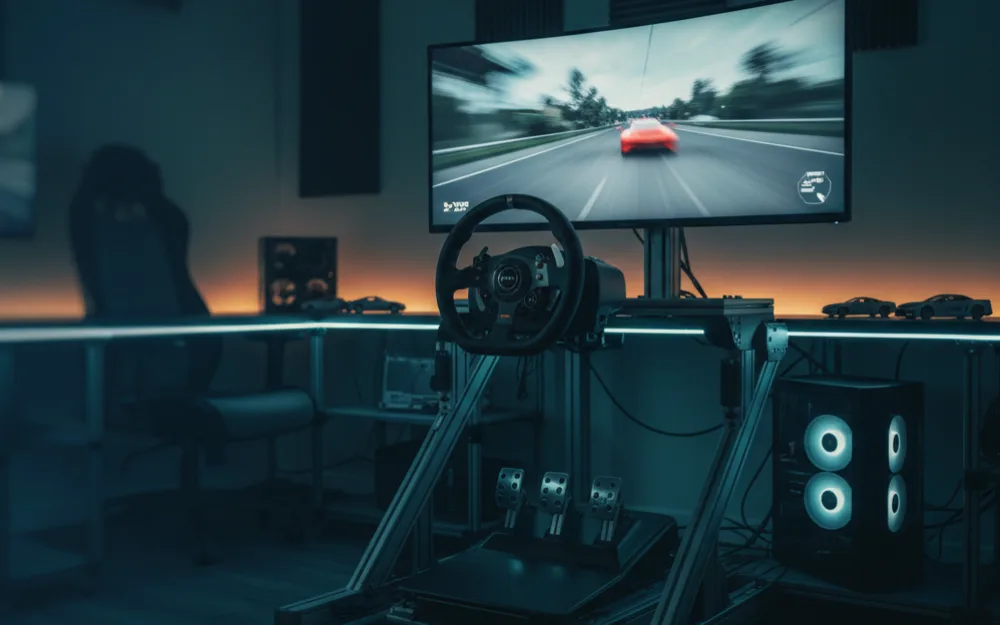

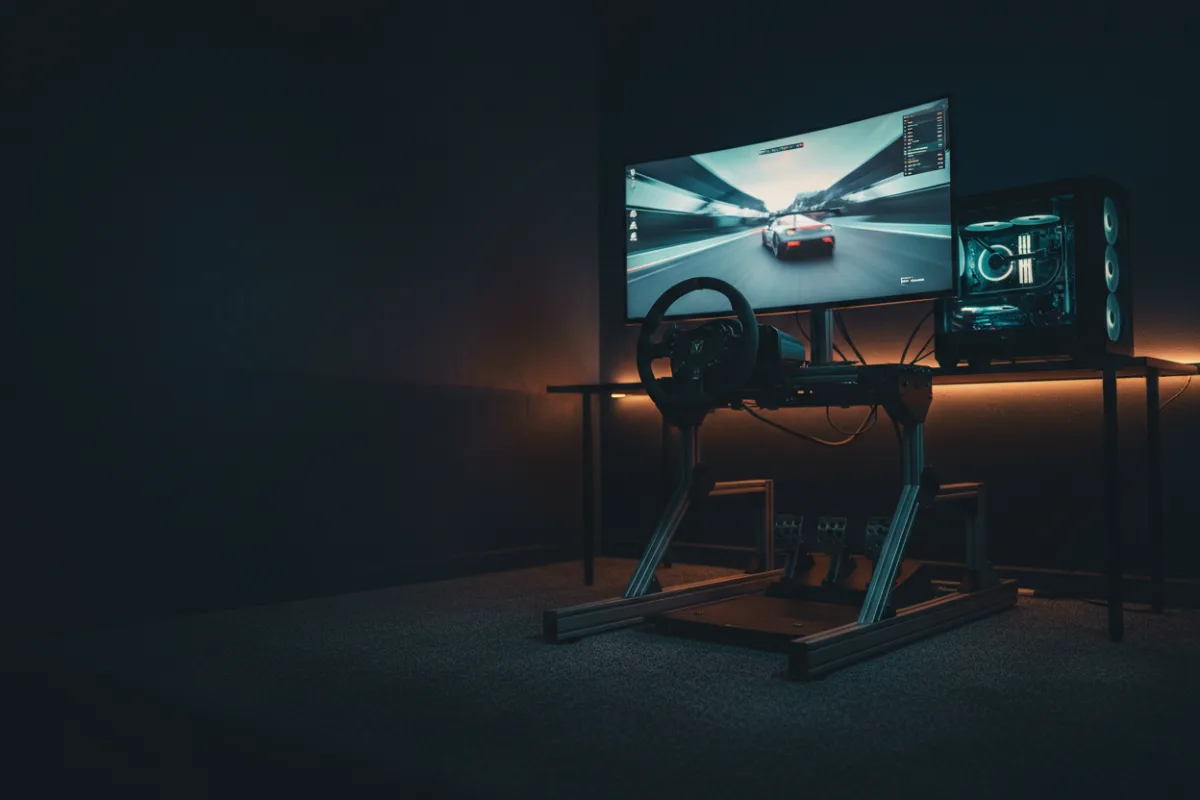

Trackmania is not a simulator, and pretending otherwise would miss the point of it entirely. It is a fast, arcade time-attack racer built by Nadeo around one relentless idea: shave hundredths of a second off a lap you have already driven a hundred times. There is no tire wear to manage and no long career to grind, only a track, a clock, and the constant pull to try again. For drivers who love the pure chase of a perfect lap, it is one of the most replayable things in the genre, and knowing that it trades realism for that loop is the key to whether it belongs on your drive.
This review looks at how Trackmania plays, what its free access tier actually includes, and where its arcade focus will leave a simulation fan cold. We compared editorial coverage with recurring player feedback rather than claiming a seat time we do not have, and you can read how we review. If racing games are new to you, our Getting Started hub covers the groundwork first.
At a glance
| Aspect | Trackmania |
|---|---|
| Developer | Nadeo (Ubisoft) |
| Platform | PC, with console and cloud availability |
| Driving model | Arcade time-attack, not a simulation |
| Access | Free Starter Access plus a paid yearly Club Access |
| Focus | Time trials, track building, and esports competition |
Where Trackmania sits in the landscape
To judge Trackmania fairly, you have to place it against the right yardstick. It is an arcade racer, which means it prizes flow and fun over the physical realism that defines a sim like iRacing or Assetto Corsa. The cars grip hard, the surfaces launch you through loops and jumps, and speed is measured in split-second precision rather than heat and grip management. Reviewers describe it as a rhythm game wearing a racing skin, and that framing is fair. If you come looking for weight transfer and a nuanced tire model, you are in the wrong garage. If you come looking for a track you can master, it delivers.
How it plays
The core loop is the draw. Players consistently describe the handling as tight and immediate, easy to pick up on a keyboard or a controller yet deep enough that top times demand near-perfect inputs. The appeal is the tiny margin between good and great: a cleaner apex here, an earlier throttle there, and the clock rewards you. Reviewers credit the game for making that pursuit feel fair, since every driver runs the same conditions and the leaderboard leaves no room for excuses. Because runs are short and restarts are instant, the game removes almost all the friction between attempts, which is exactly why it becomes hard to put down.
The free tier, explained
Trackmania uses a layered access model, and the distinction matters before you commit. There is a free starter tier that lets you sample the core driving and a rotating set of official tracks, so you can learn whether the loop clicks with you at no cost. Above that sits a single paid Club Access pass, billed yearly, that unlocks the full official campaigns and the club and creation features, while the Ranked and Royal modes stay open to Starter players. We keep pricing qualitative here because tiers and terms change, but the structure is worth understanding: the free tier is a genuine sample, not a demo that locks after an hour, while the fuller experience is a recurring commitment rather than a single purchase.
Controller, keyboard, or wheel
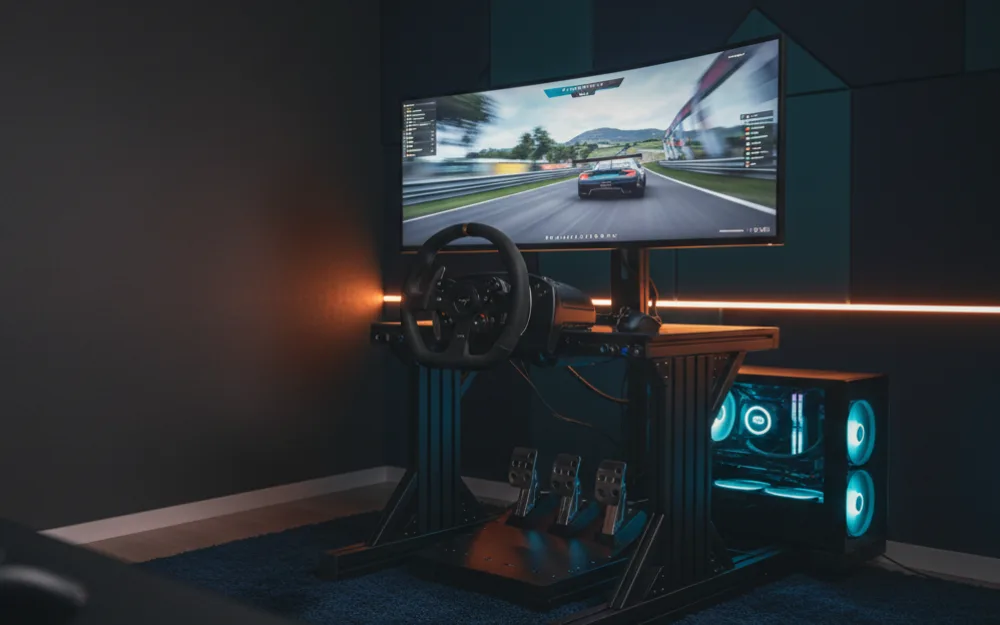
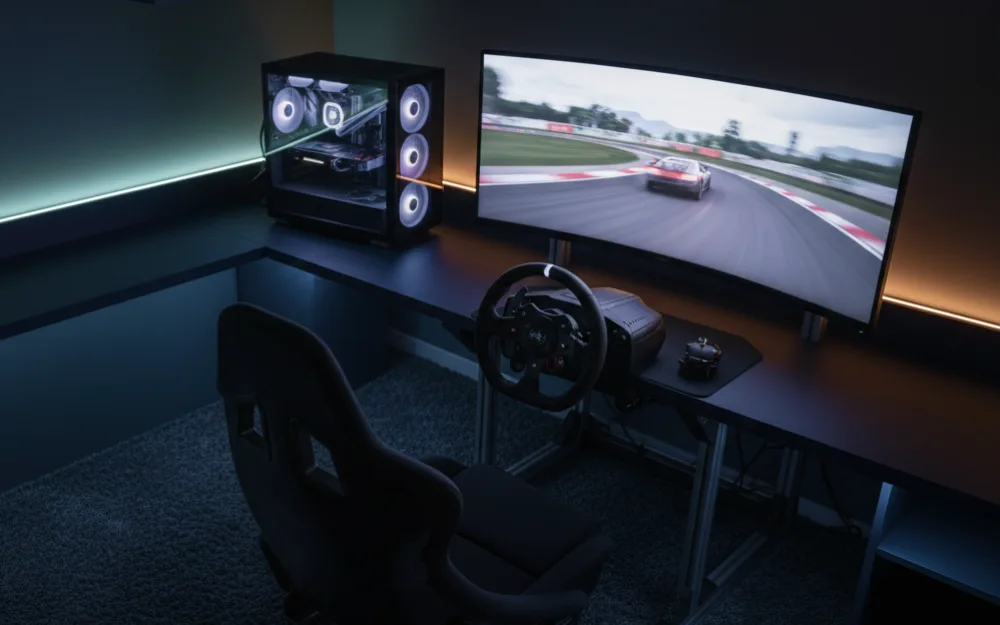
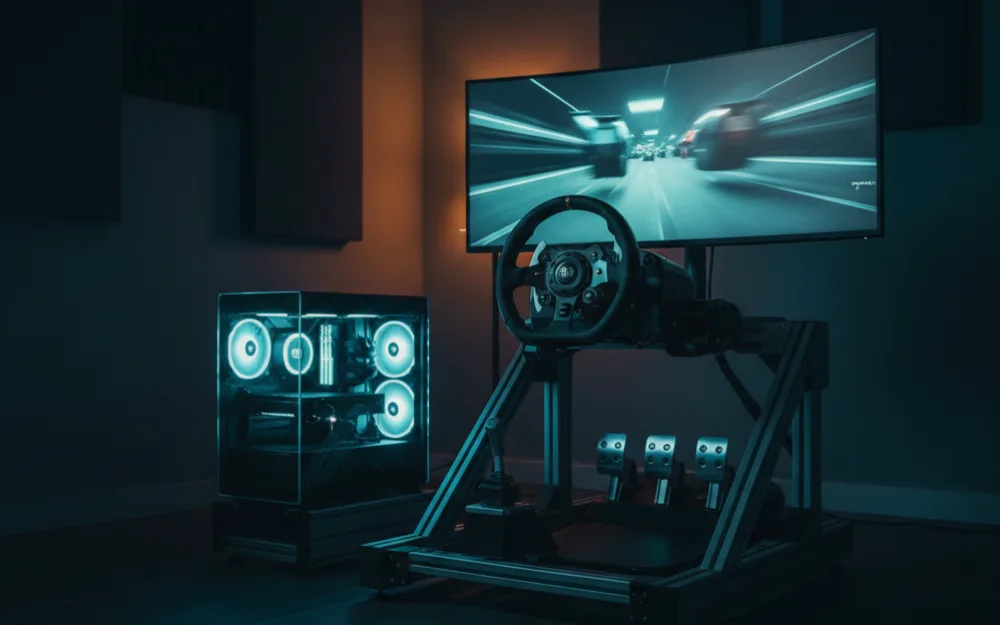
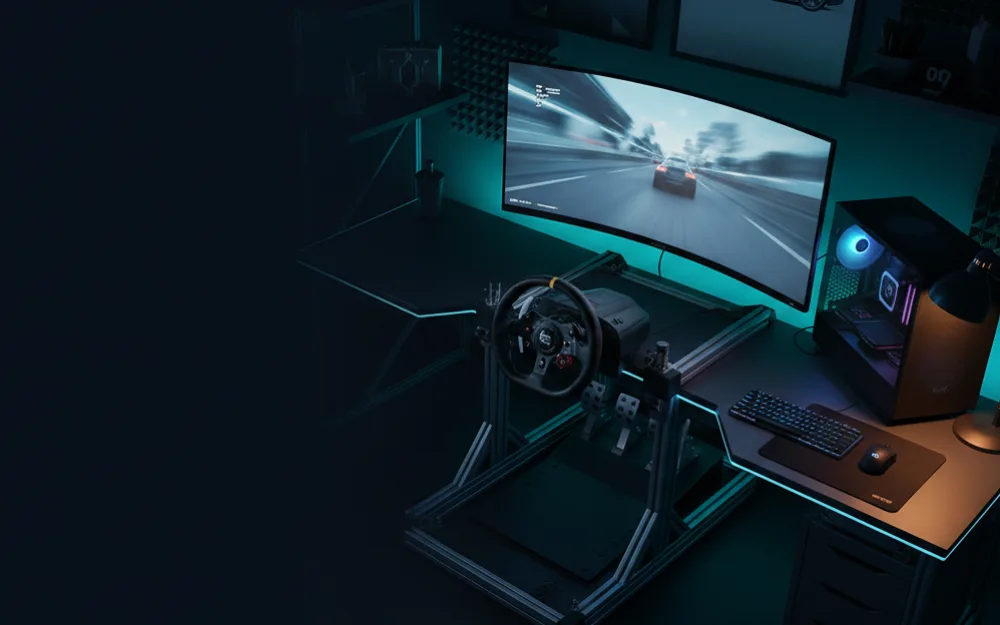
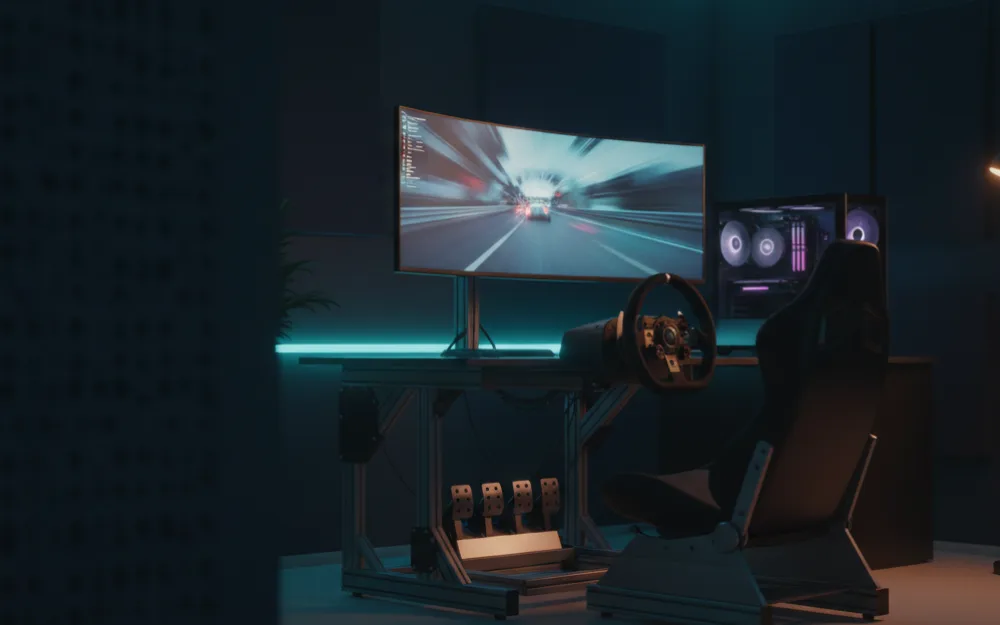
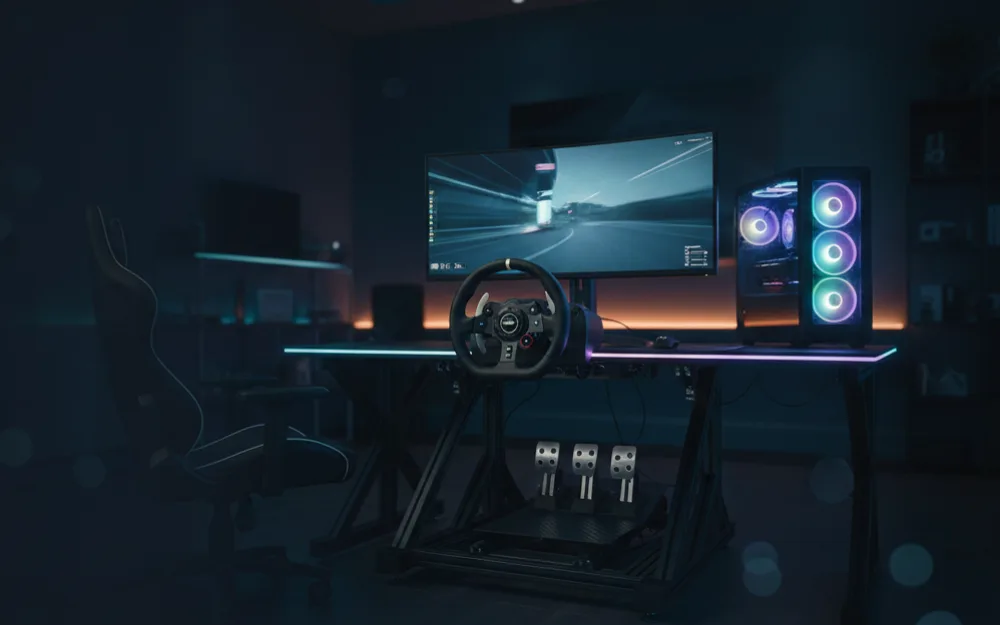
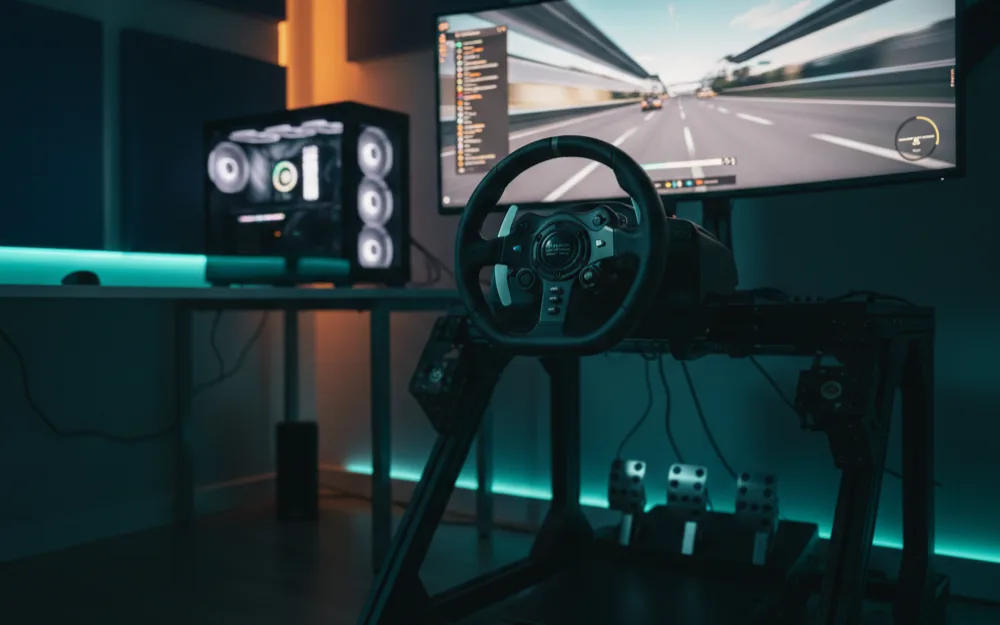
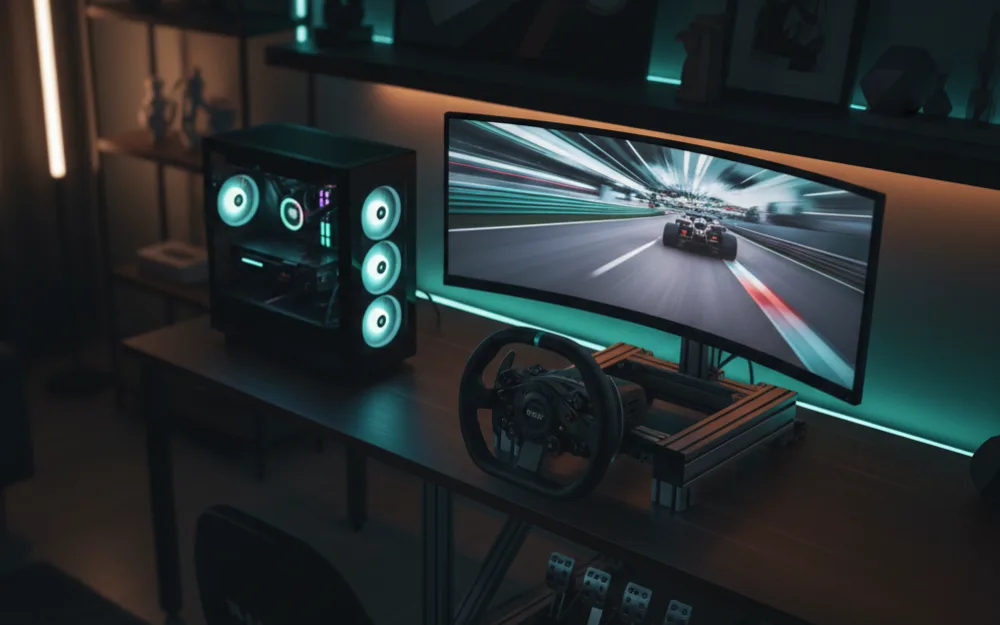
Input choice shapes the experience more than newcomers expect. Because the handling is arcade rather than simulation, many of the fastest players compete on a keyboard, where the digital, on-or-off nature of the inputs suits the game’s precise, repeatable style. A controller works well too and is the most comfortable entry point for most people, offering analog throttle and steering without a steep setup. A racing wheel is supported and can be enjoyable, but reviewers are candid that it offers less advantage here than in a true simulator, since the physics do not reward the fine feedback a wheel provides. The practical takeaway is that you do not need expensive gear to be competitive, which lowers the barrier to entry considerably.
Track building and the esports scene
Two things keep Trackmania alive long after other arcade racers fade. The first is its track editor, which the community uses to publish an enormous library of user-made circuits, from clean technical layouts to elaborate stunt courses. Players credit this endless supply for the game’s longevity, since the content never really runs out. The second is a competitive scene that reviewers rate among the most developed in the genre, with structured ladders, ranked matchmaking, and a calendar of events that has produced a genuine esports following. That competitive backbone is a large part of why the game earns coverage well beyond the casual crowd.
The friction points
No honest review skips the drawbacks. The subscription structure is the most common complaint, since drivers used to buying a game outright can bristle at gating the full feature set behind a recurring pass. The arcade physics, a strength for its audience, are a hard limit for anyone chasing realism, and no amount of skill will make the cars behave like a sim. The relentless leaderboard culture can also feel punishing rather than motivating if you do not enjoy grinding the same corners for marginal gains. None of these are defects so much as honest signals about who the game is for.
Who should play it, and who should skip it
| Play Trackmania if | Skip it if |
|---|---|
| You love chasing a perfect lap and instant restarts | You want realistic physics and a tire model |
| You want a deep, active esports and community scene | You dislike subscription-style access tiers |
| You want to try before you pay through the free tier | You prefer a long single-player career to time trials |
Alternatives and next steps
If the free angle is what drew you in, our best free sim racing games roundup covers more titles you can start without spending, and our best sim racing games for PC guide places Trackmania against the broader field. Drivers who decide they want physical realism instead should read our Assetto Corsa review for the simulation counterpoint. You can also browse more titles in the PC Sims category to see where an arcade racer fits alongside the heavier simulators.