

Assetto Corsa Competizione was never built to draw a Forza sized crowd. It picks one corner of motorsport, GT3 and its supporting classes, and goes deep rather than wide. Reviewers who race it describe a physics model that punishes small mistakes and rewards patient, methodical setup work, which is exactly why casual controller players should look elsewhere and dedicated GT racers should not.
This review looks at what ACC gets right as a specialist simulation, where its narrow focus becomes a limitation, and who it actually suits. We compared editorial coverage with recurring player feedback rather than claiming seat time we do not have, and you can read how we review.
What Assetto Corsa Competizione is and who makes it
ACC comes from Kunos Simulazioni, the Italian studio behind the original Assetto Corsa, and it carries an official license tied to GT World Challenge competition. Where its predecessor was an open sandbox that welcomed any car mod a community could imagine, ACC narrows the lens to GT3 machinery, with GT4, GTC, and touring car classes added as the game matured. Built on Unreal Engine 4 rather than the older Assetto Corsa engine, it reads as the studio’s answer to a specific question: what does a faithful, single-discipline GT simulation look like when nothing else is competing for development attention.
Physics and driving feel
This is where ACC earns its reputation. Reviewers consistently describe a tire and aerodynamics model that behaves like real GT3 engineering rather than a simplified approximation, with brake pressure, tire temperature, and weight transfer all carrying real consequences through a corner. Owners who spend time tuning setups report that the car rewards that effort directly, translating small changes in ride height or camber into a noticeably different feel on track. The learning curve is steep by design. Newcomers describe an unforgiving first few hours, and critics are candid that ACC is not interested in flattering a driver who has not put in the time.
Content and modes
The car list stays disciplined rather than sprawling, built almost entirely around GT3 with its supporting classes layered in over time. Laser scanned circuits pulled from the real GT World Challenge calendar give the track list a level of accuracy reviewers single out as a strength, and dynamic weather and time of day progression, core features since the full release, expand what a single lap or endurance stint can ask of a driver. Endurance content, anchored by the 24 Hours of Spa, gives committed players a long form structure to aim for. What ACC does not offer is variety outside GT racing. There is no rally stage, no open wheel ladder, no vintage car garage, and players hoping for that kind of breadth will not find it here.
Platforms and wheel support
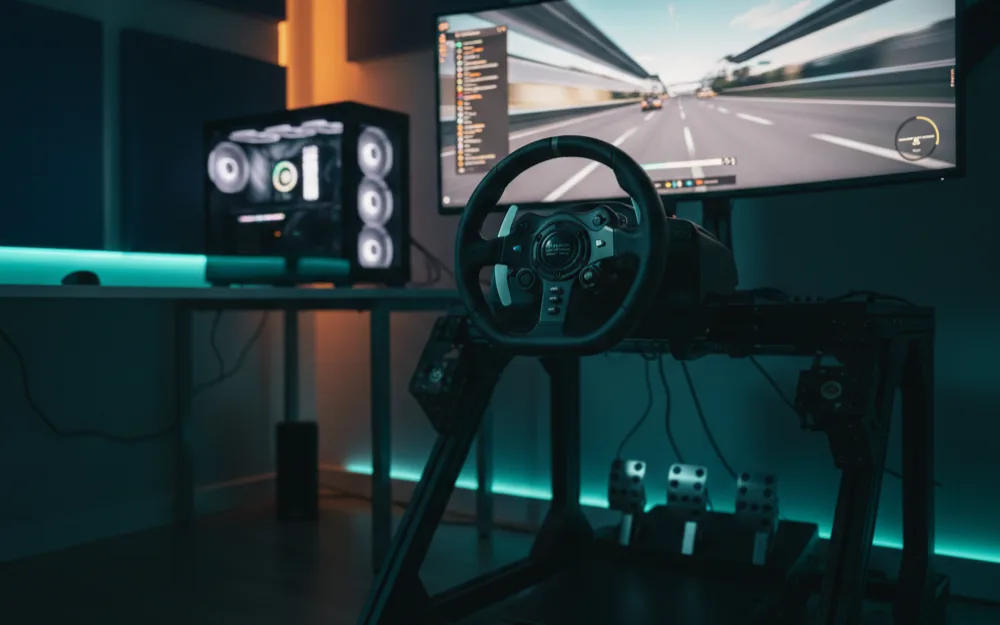
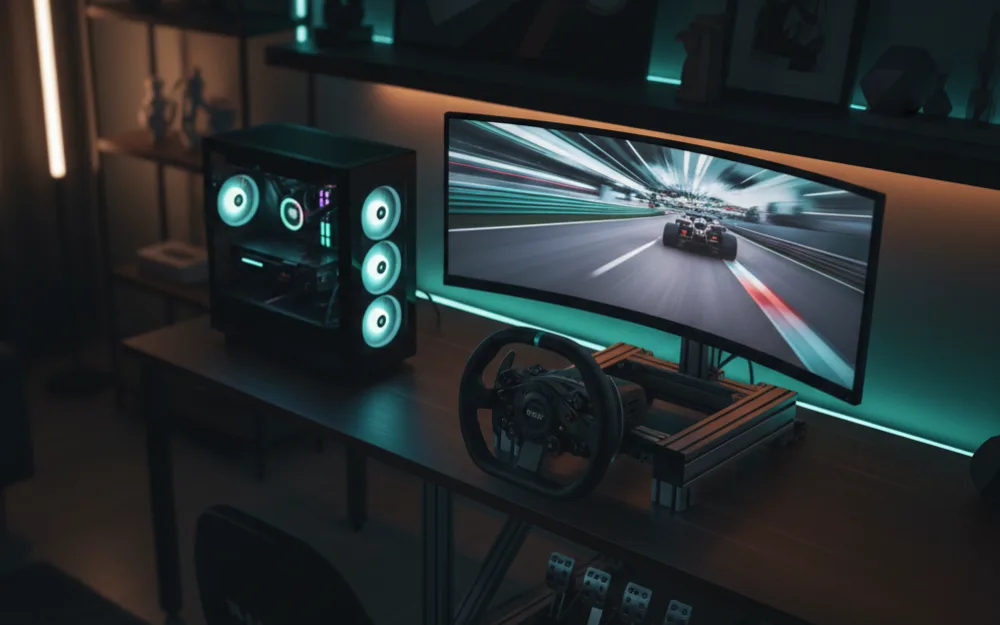
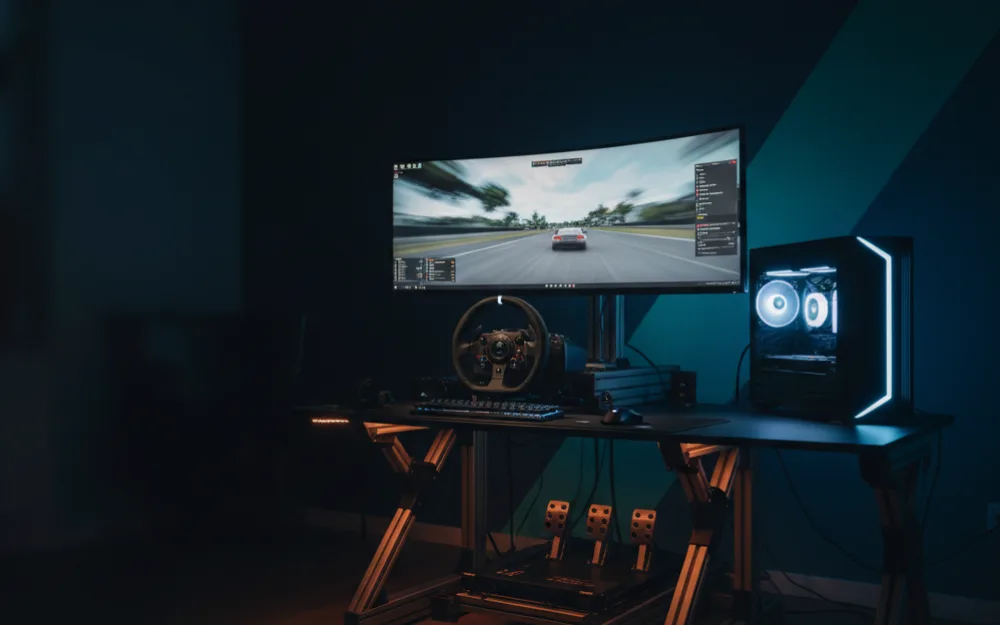
ACC runs on PC, PlayStation, and Xbox, with VR available on PC. Wheel support on PC is broad, with direct drive bases and load cell pedals well integrated, and reviewers note that the force feedback communicates grip and surface detail clearly on that hardware. Console wheel compatibility is narrower and depends on which base a given platform allows, so buyers on PlayStation or Xbox should confirm their wheel is supported before assuming it will work. The simulation is also demanding on hardware, particularly once dynamic weather and night racing are involved, and reviewers have flagged that earlier console builds needed patches before performance settled.
Multiplayer or career structure
ACC structures its single player sessions like a real event weekend, with practice, qualifying, and race segments rather than a story driven career mode. Online multiplayer leans on hosted lobbies and a rating system tied to clean, consistent driving, which reviewers credit with producing more disciplined racing than an open lobby free for all. The game also maintains a visible connection to real GT World Challenge esports competition, which gives serious online racers a structure to aspire toward beyond casual matchmaking. Drivers looking for a long narrative campaign or a career that builds a garage over decades will not find that framework here.
Strengths and weaknesses
Strengths
- Reviewers describe genuinely authentic GT3 class physics, with setup changes producing real, learnable consequences
- Laser scanned circuits taken directly from the real GT World Challenge calendar
- Online structure rewards clean, consistent racing over aggressive lobby chaos
- Direct official tie to real world GT competition through licensing and esports
Weaknesses
- Steep learning curve that newcomers describe as unforgiving in the early hours
- Narrow car roster limited to GT3 and a handful of supporting classes, with no rally, open wheel, or road car variety
- Demanding on system hardware, especially with dynamic weather and night conditions enabled
- Console wheel compatibility is more restricted than on PC
Who it is for and who should look elsewhere
ACC suits a driver who already knows they want GT3 racing specifically and is willing to spend real time learning setup work and car control before it clicks. It also suits anyone chasing structured, ranked online racing rather than open lobby chaos. It is the wrong choice for a newcomer who wants an easy first lap, for anyone who wants variety across rally, open wheel, or road cars in one package, and for casual players who would rather load in and drive than tune a car first. If you want that broader spread, our best sim racing games for PC roundup covers the alternatives, and our iRacing review looks at another structured, competitive option outside GT racing. Pairing a specialist sim like this with the right hardware matters too, so our best sim racing wheels guide is worth a look before you commit.