

iRacing has a reputation for being intimidating, and part of that reputation is earned. It is a subscription-based online PC simulator built around a licensing and rating system, which means your first hour looks less like loading a game and more like joining an organized racing service. The good news is that the structure that makes it feel daunting is also what makes it welcoming once you understand the map. This guide walks a newcomer through the concepts and the first steps, so you can get to the grid with far less friction than the reputation suggests.
We wrote this to reduce onboarding friction, not to sell you anything, and we based it on how the service is documented and how the community describes getting started rather than any seat time we claim for ourselves. You can read how we review, and if the hobby is brand new to you, start with our Getting Started hub for the wider basics before you commit to a subscription.
What iRacing actually is
Before the first step, get the model straight. iRacing is not a boxed game you buy once. It is an online service you subscribe to, and its cars and tracks are purchased individually on top of the subscription. Official racing happens online against real drivers in scheduled sessions, sorted by skill and behavior, though an AI racing mode also lets you race computer opponents. We keep pricing qualitative here because plans and content costs change, but the shape matters: this is an ongoing commitment, more like a gym membership than a single purchase. Going in with that expectation prevents the most common early disappointment.
The two ratings that run everything
Two systems shape your entire experience, and learning them early removes most of the confusion.
| System | What it measures | Why it matters |
|---|---|---|
| Safety Rating | How cleanly you drive, tracked by incidents per corner | Rises with clean laps and unlocks higher license classes |
| iRating | Your relative pace and results against other drivers | Sorts you into balanced fields so races stay competitive |
The key insight for a beginner is that Safety Rating usually deserves your attention first. iRacing rewards clean, consistent driving before outright speed, and the community consistently advises new drivers to prioritize finishing races without incidents. Do that, and your license class and iRating tend to take care of themselves.
Licenses and why you start in Rookie
Every new driver begins with a Rookie license, and that is by design, not a limitation to resent. The license system gates access to faster cars and more demanding series behind a track record of clean driving, which keeps beginners away from fields they are not ready for and protects everyone from unnecessary wrecks. As your Safety Rating climbs through clean racing, you progress to the next license class and the content that comes with it. Think of the Rookie stage as your apprenticeship: the goal is not to escape it as fast as possible but to build the habits that make the higher classes enjoyable.
Your first sessions, step by step
A calm first week looks something like this. Start in practice, not in a race. Pick one of the Rookie cars, take it to the current Rookie track, and spend time simply learning the circuit and the braking points before pressure is involved. When you feel steady, enter a practice or qualifying session to see how the online flow works. Only then commit to your first official race, and go in with a modest goal: finish cleanly, stay out of trouble at the first corner, and treat every completed lap as a win. Reviewers and long-time players repeatedly describe the early hours as humbling, so patience in these first sessions pays off more than raw speed.
Core skills worth learning early
A few fundamentals shorten the learning curve dramatically, and they apply well beyond iRacing. Smooth inputs matter more than aggressive ones, since the tire model rewards consistency. Learning to read the car helps too, so it is worth understanding understeer versus oversteer and how to catch each one. Braking technique is often the biggest early gain, which is why our explainer on trail braking is a useful companion. And because the whole game hinges on finding grip, a grasp of slip angle will help you understand what your tires are telling you through the wheel.
What you need before you start
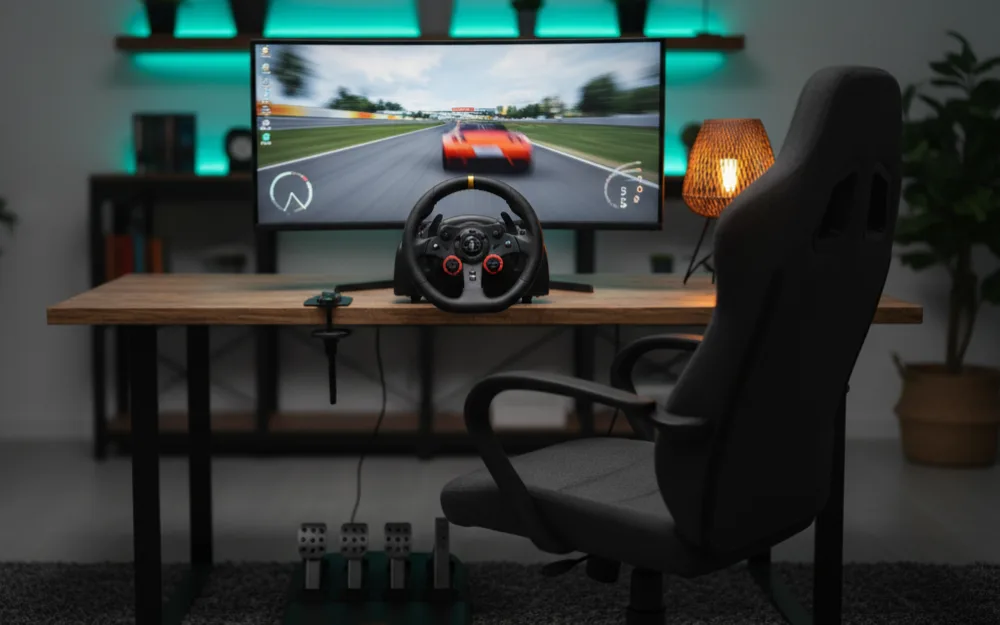
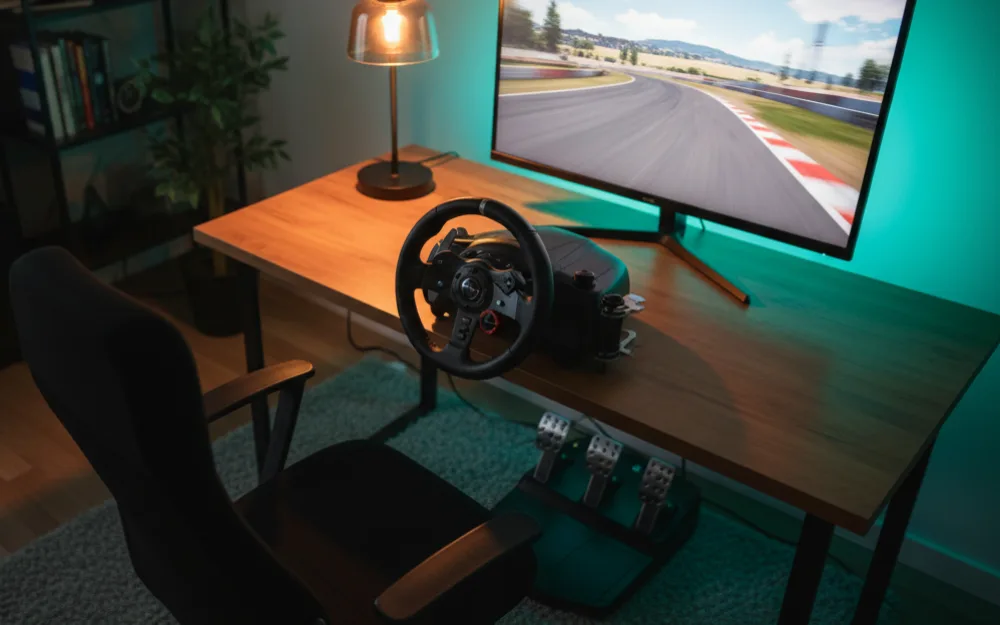
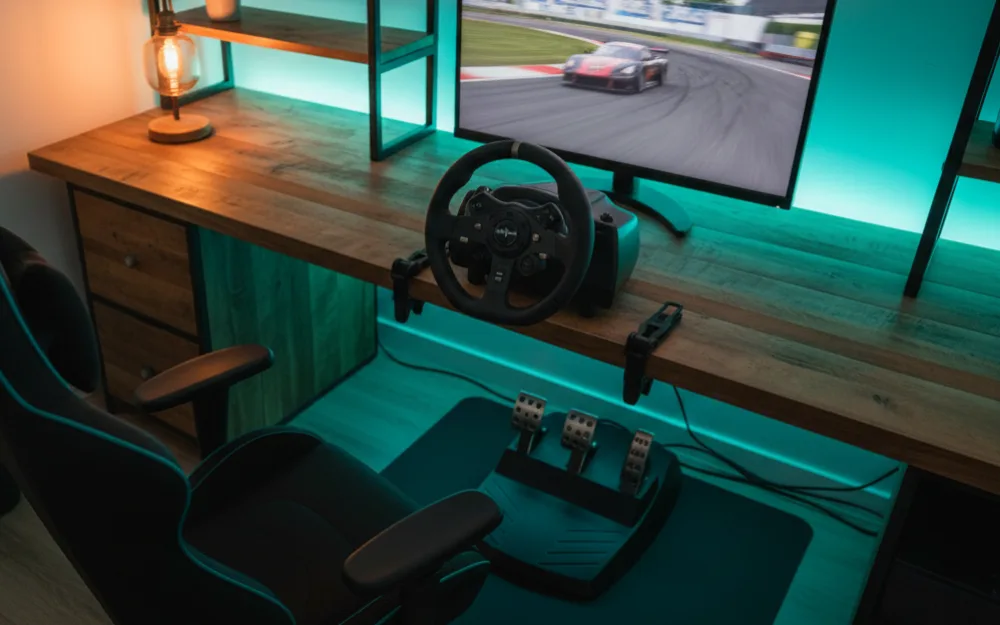
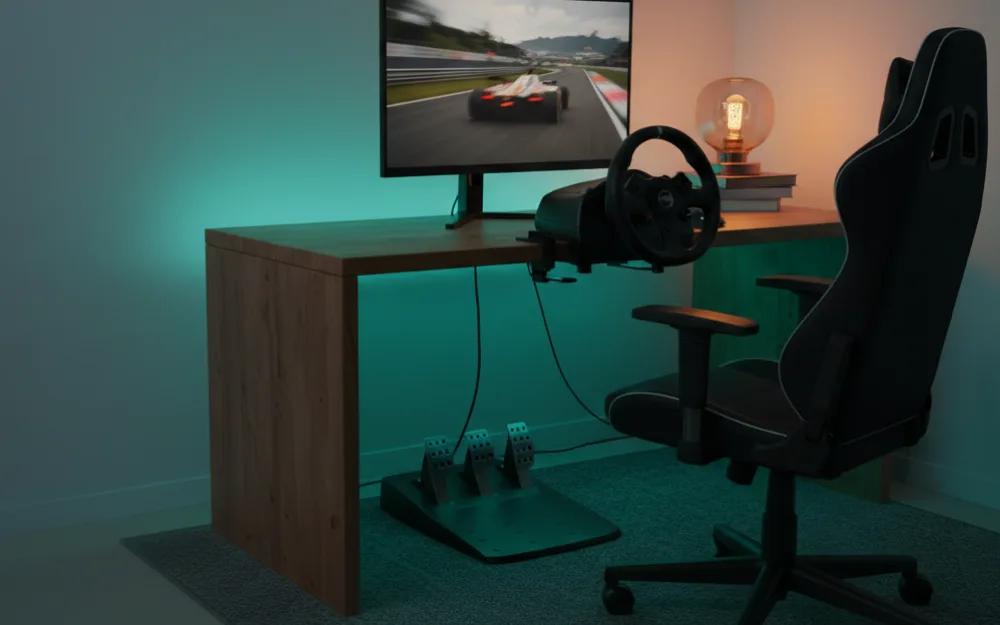
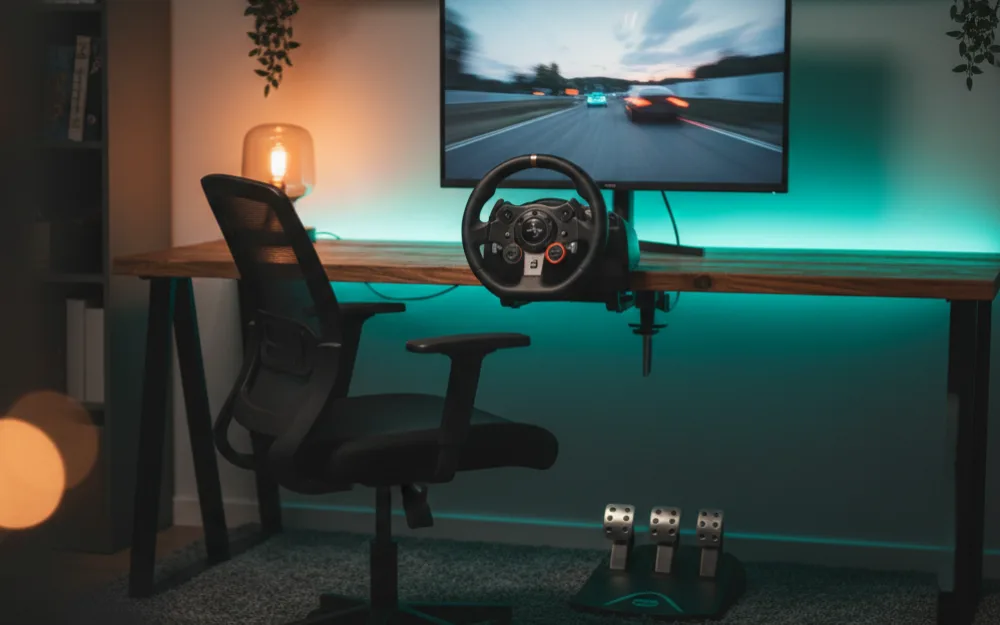
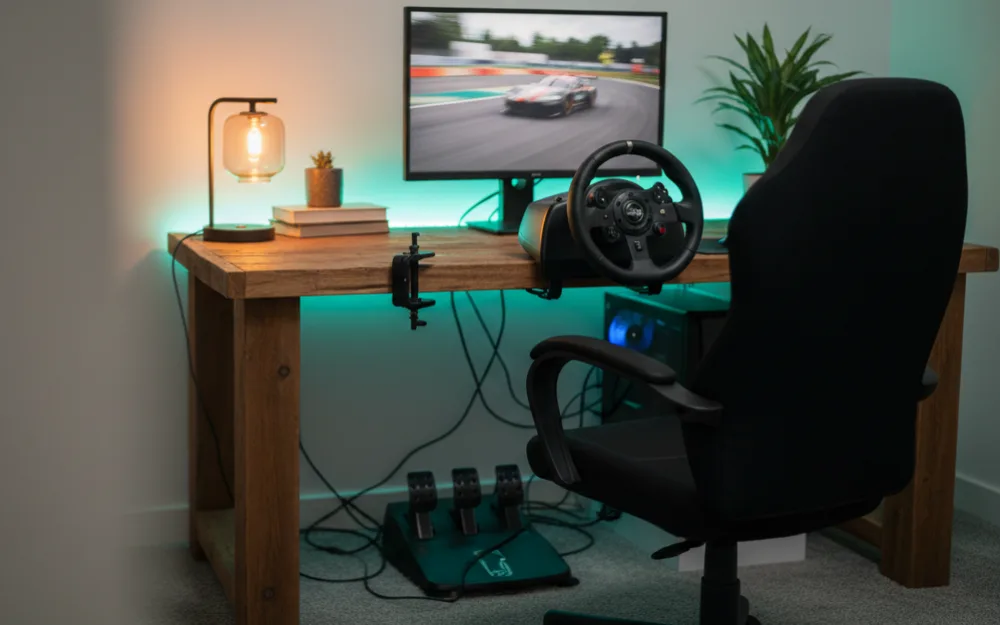
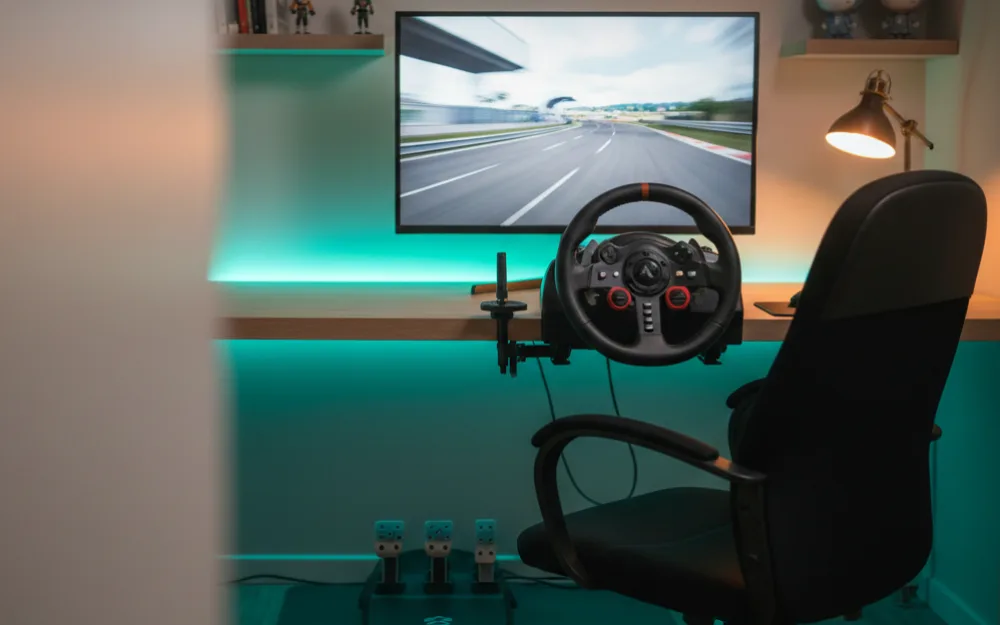
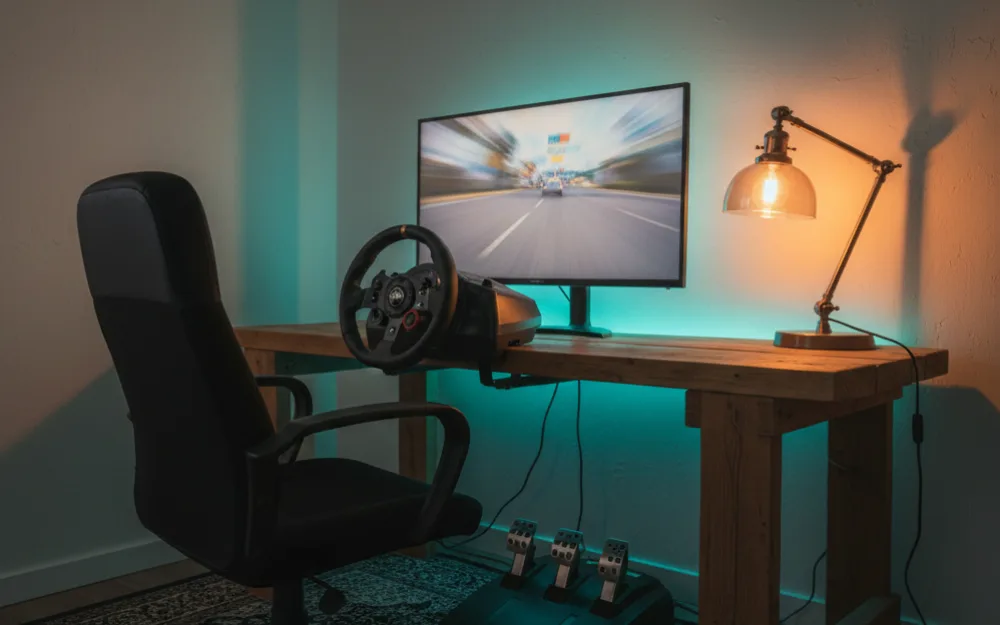
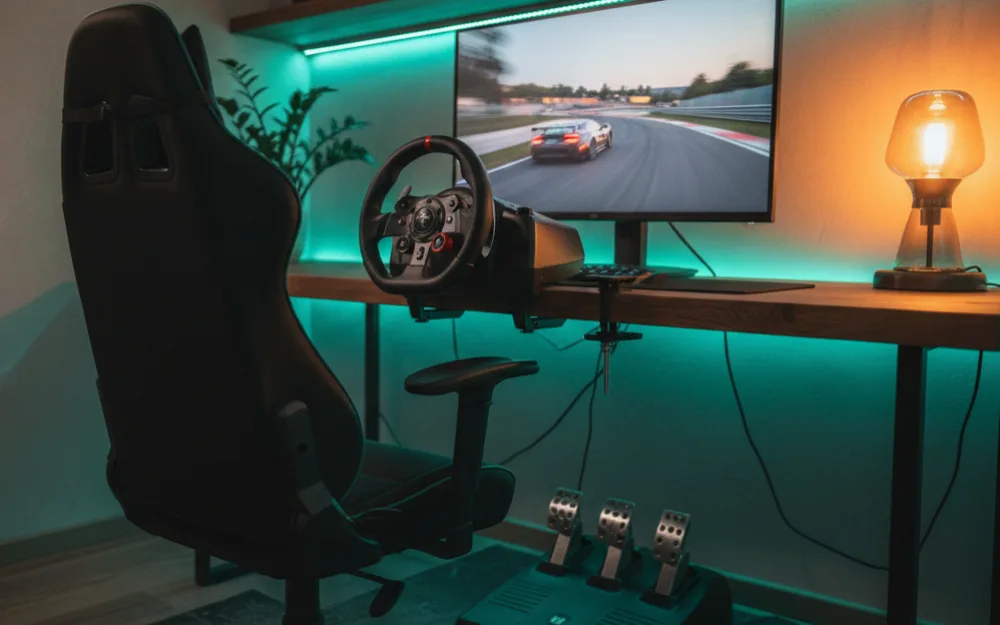
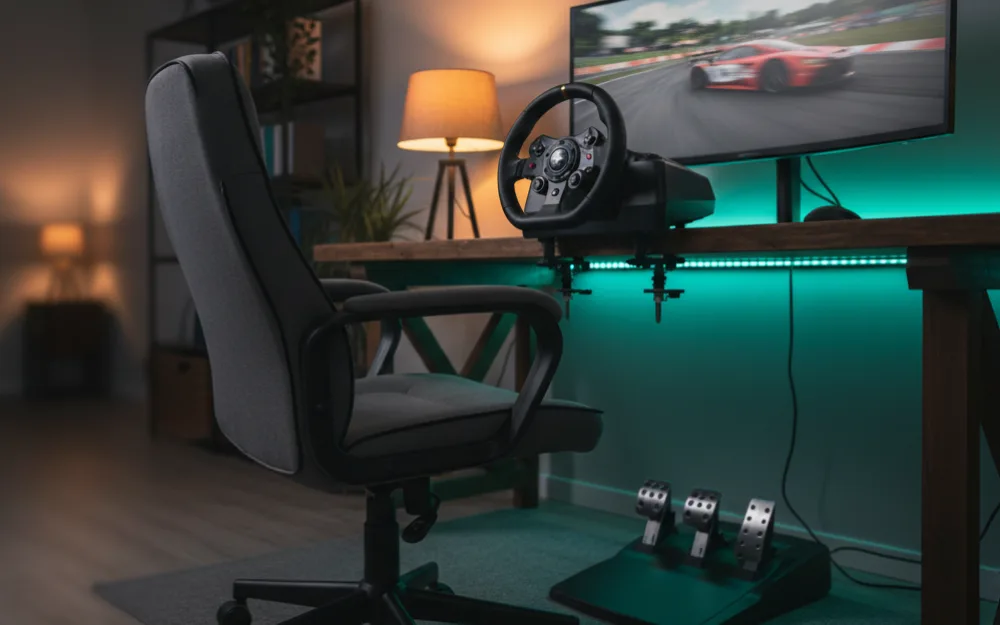
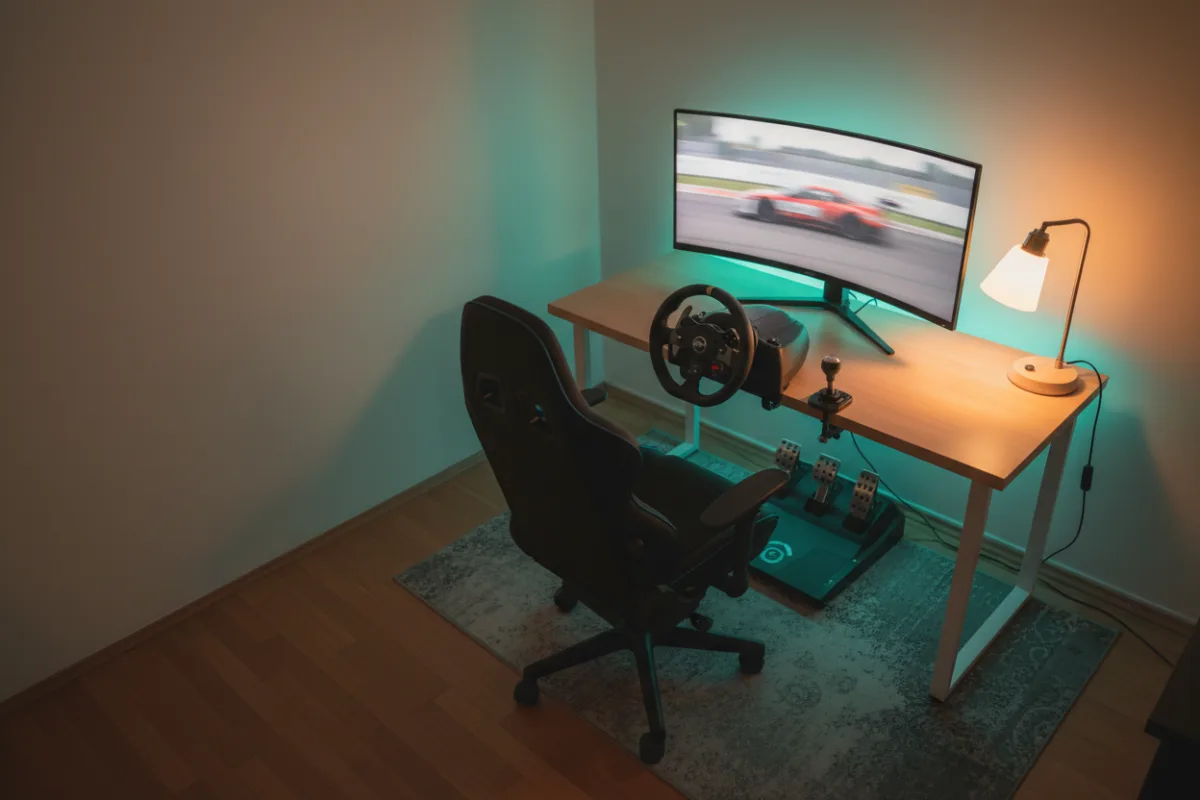
A little preparation makes the first week far smoother. iRacing runs on PC, so a capable computer is the baseline, and while you can drive with a controller, the community strongly favors a wheel and pedals for the precision the sim rewards. A stable internet connection matters too, since every official session is online. Beyond hardware, the most valuable thing you can bring is the right mindset: plan to spend your early time in practice, expect to start slowly, and measure progress by clean, consistent laps rather than by chasing wins. Set up your wheel’s rotation and force feedback before your first race so the car feels natural, and you will spend those early sessions learning the track instead of fighting your gear.
Who iRacing is not for yet
Honesty serves a beginner better than hype, so here is the counterweight. If you want to buy a game once and play offline whenever you like, a subscription service is the wrong fit, and you would be happier elsewhere. If you are on a console or a tight budget, the ongoing cost and the PC and wheel requirements make this a hard place to start. And if your idea of fun is jumping in to mess around rather than committing to structured, rules-bound racing, the discipline that defines iRacing will feel like a chore. None of that is a flaw in the service. It simply means the timing or the format may not match where you are right now, and there is no shame in starting somewhere gentler.
Where to go next
If you want the full picture of what the service asks and gives before you subscribe, read our iRacing review, which weighs the structure and cost in detail. To see how it compares with one-time-purchase alternatives that may suit a beginner better, our best sim racing games for PC roundup lays out the field. And if you are still assembling your setup, our best sim racing games for beginners guide points to gentler on-ramps while you build confidence and skill.