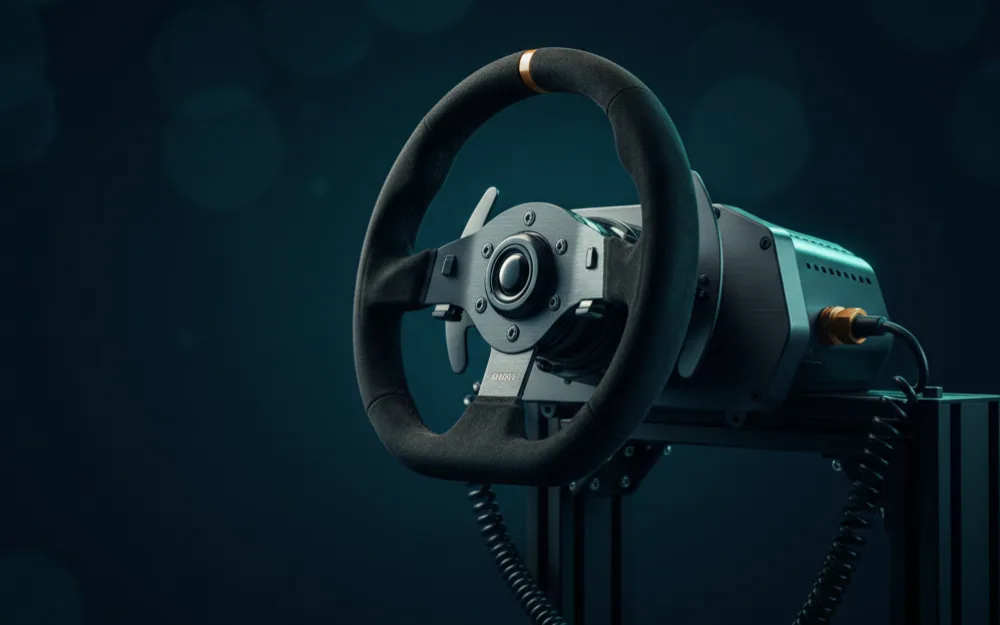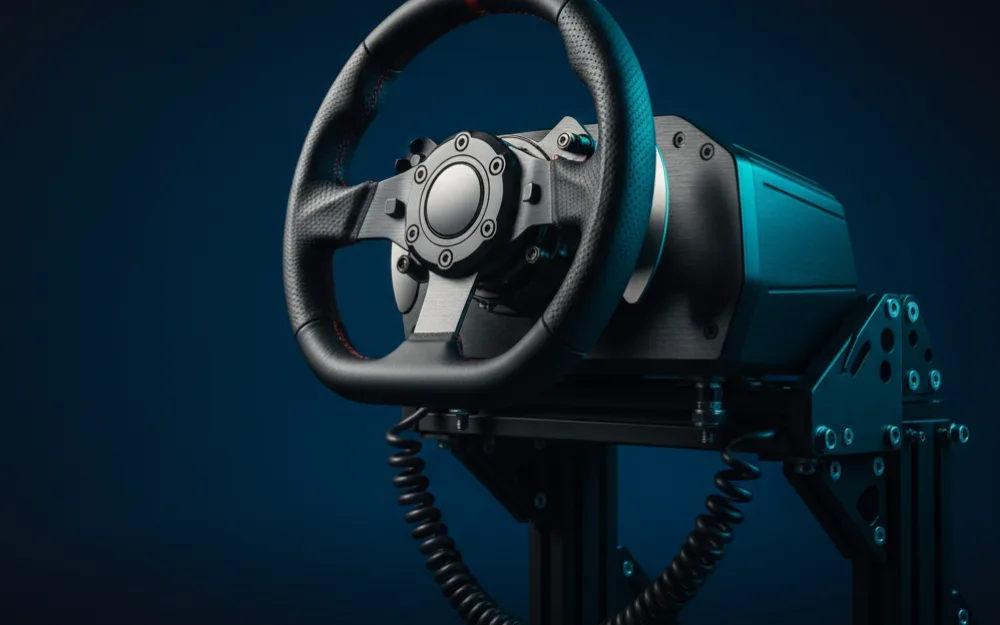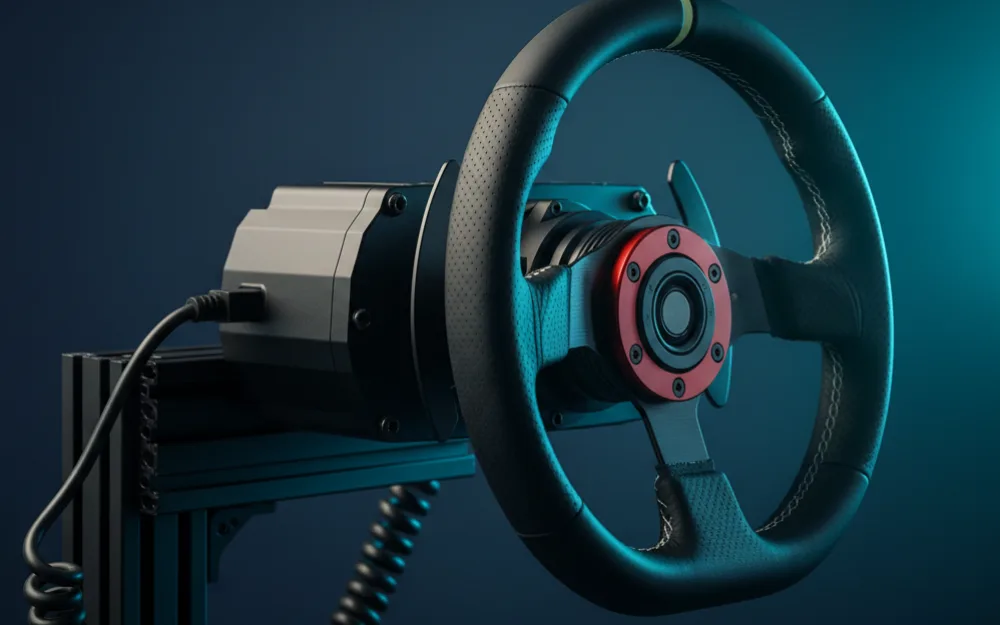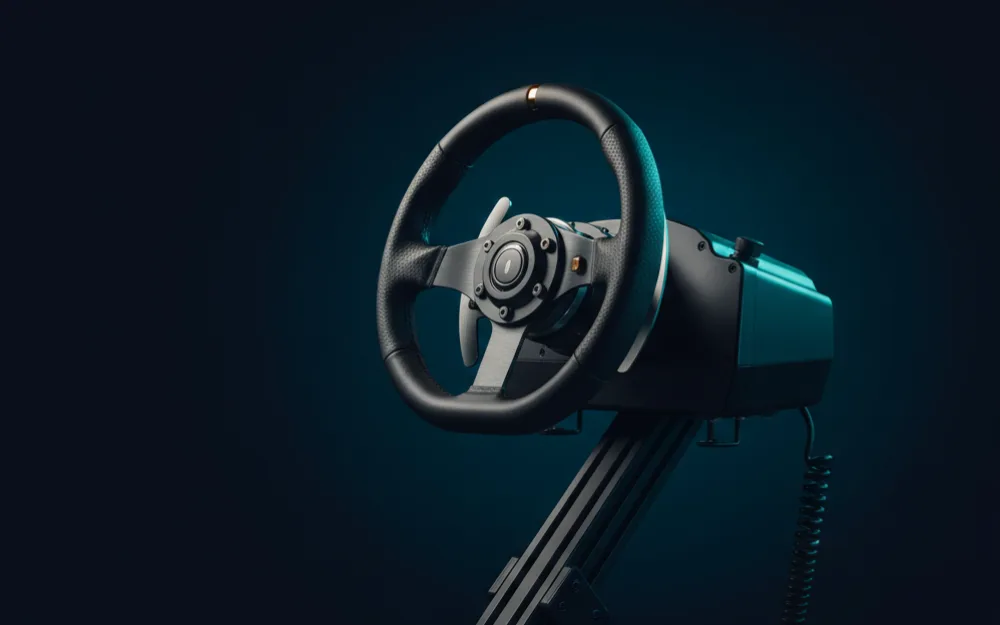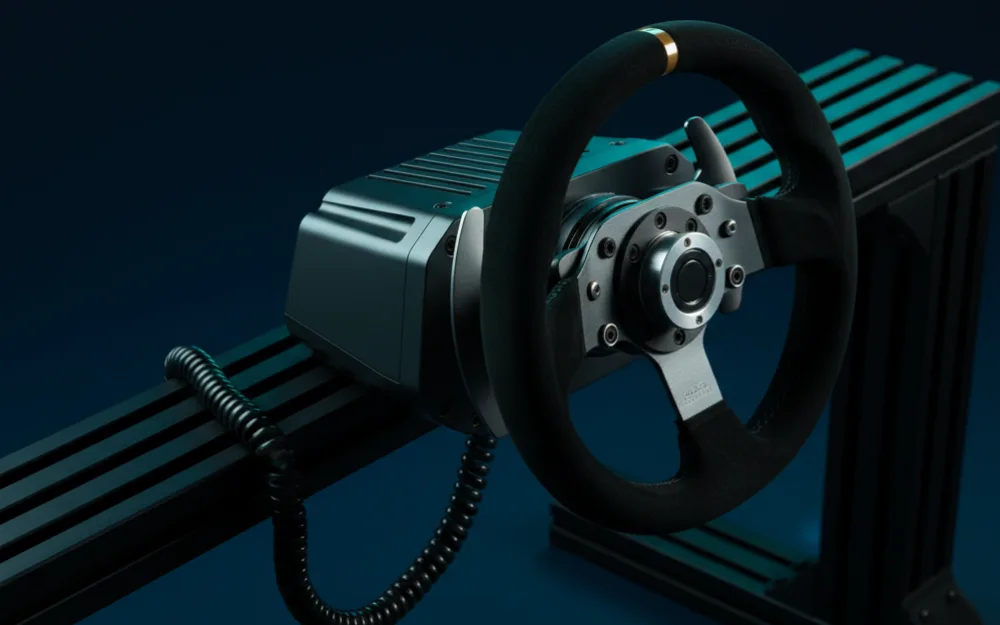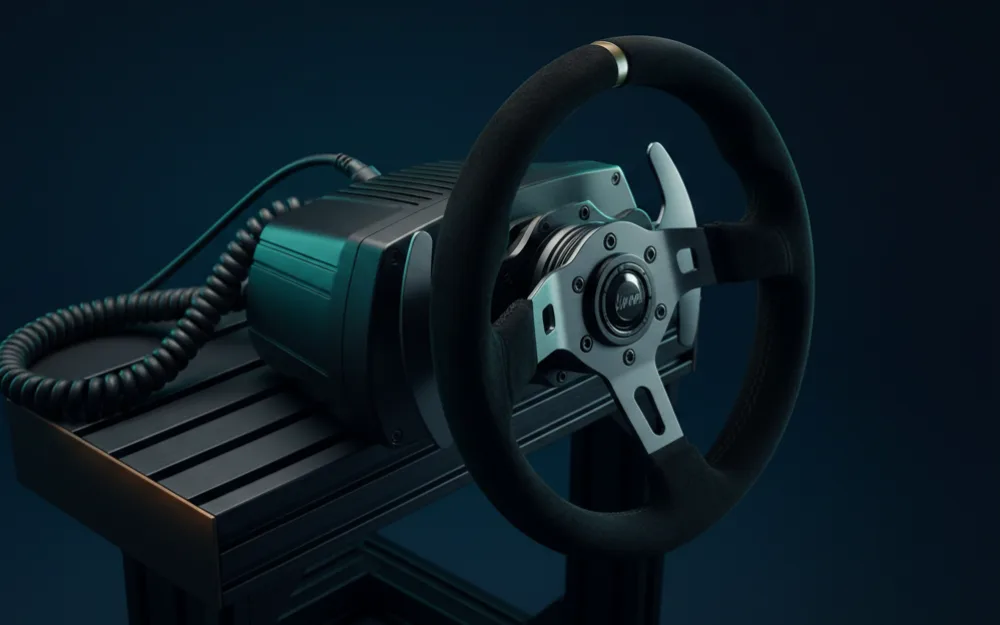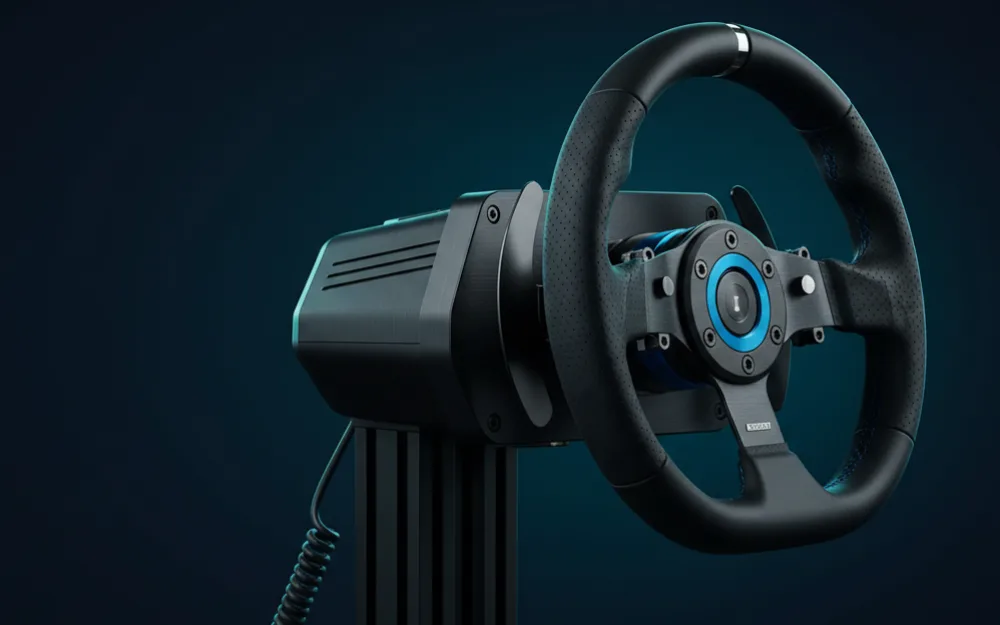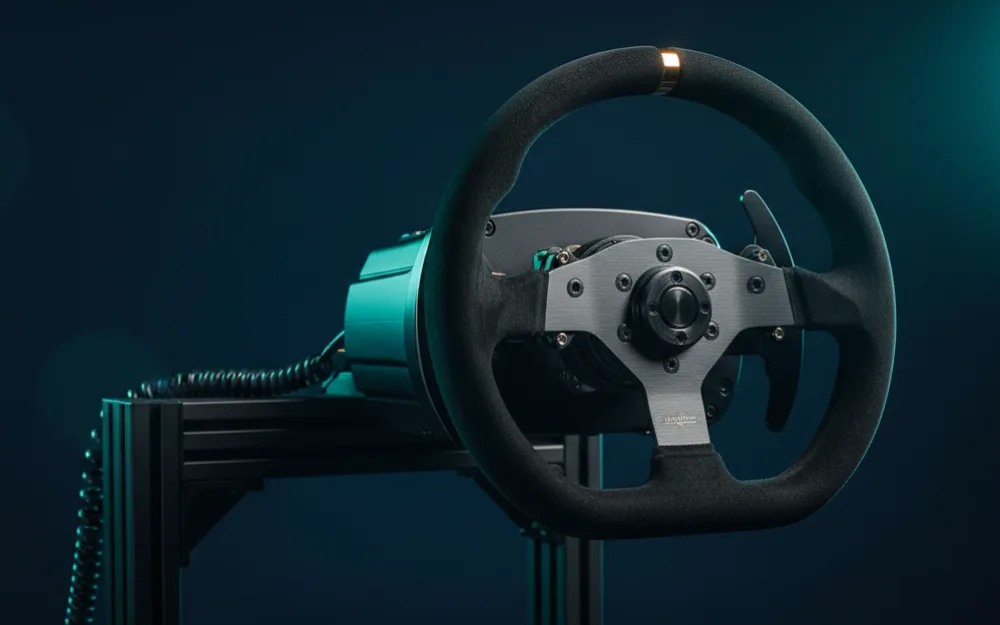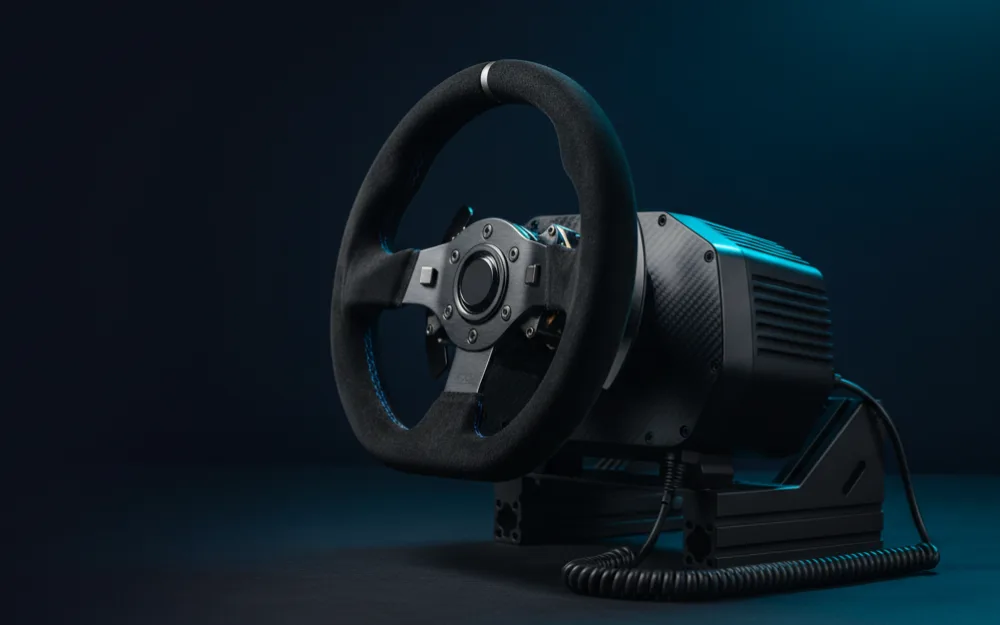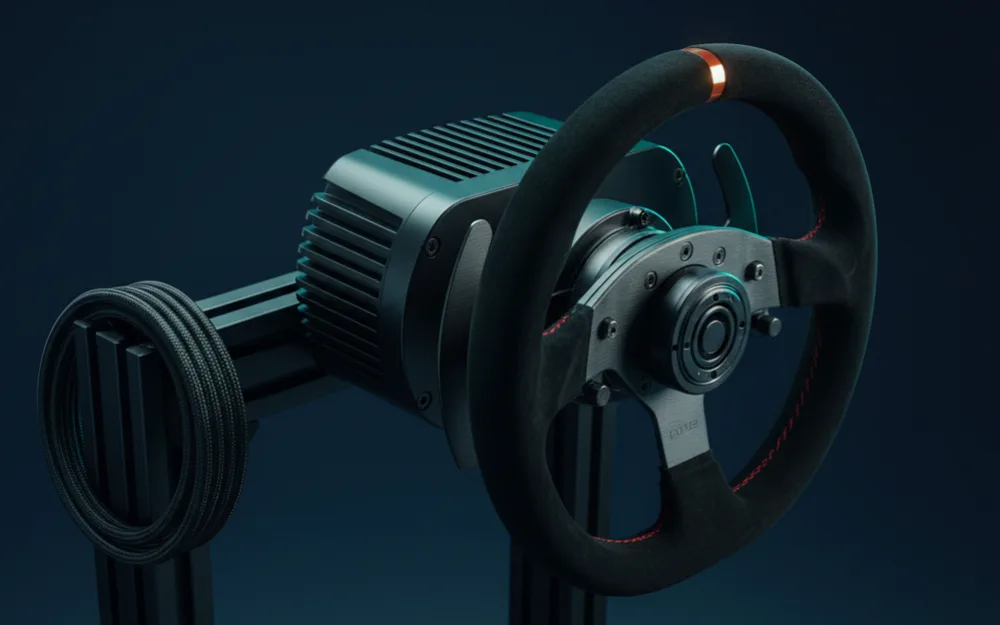

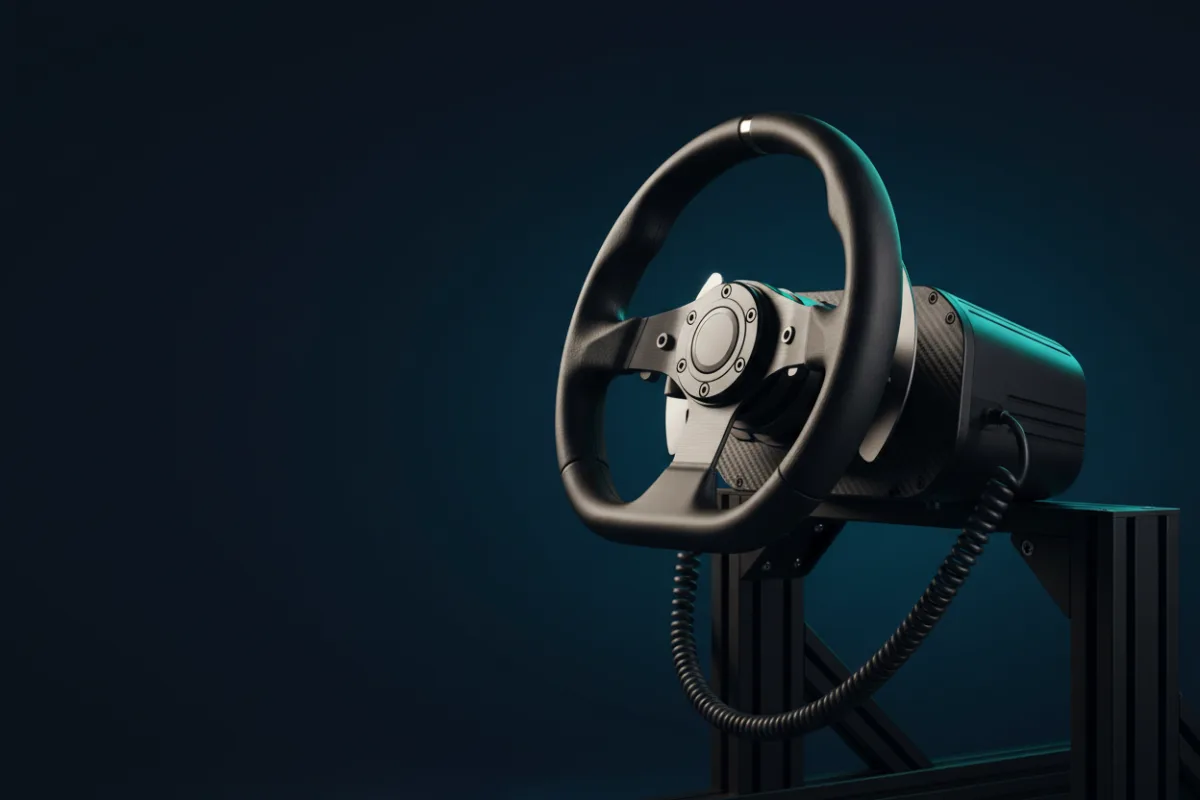

The MOZA R12 is what a racer reaches for once a 5 Nm or 9 Nm base has stopped feeling special. It is a direct drive servo bundle rated at 12 Nm, sold with MOZA’s KS wheel rim attached, aimed at PC racers who want real headroom in heavy cars without jumping straight to flagship territory. Understanding what that torque number buys is the place to start.
This review looks at how the R12 behaves, what the jump to 12 Nm changes, and who does not need it yet. We compared manufacturer specifications with recurring owner feedback, and you can read how we review.

What it is and where it sits
The R12 V2 sits above MOZA’s own R9 in the same servo direct drive family, adding three more Newton meters of peak torque to a lineup that already spans an entry 5 Nm class through a 9 Nm mid tier. That places it among the stronger bases a racer can buy before crossing into the true flagship territory of 16 Nm and up. This particular listing bundles the base with MOZA’s KS wheel rim, so you get a wheel attached and ready rather than a bare base. It is a PC only system, which matters if you are shopping across consoles.
Force feedback and build character
MOZA describes the R12’s servo direct drive system as delivering a stable, realistic 12 Nm of output built to replicate the steering forces found in road and race cars. In practice, more torque means the base can push closer to the true weight a heavy GT car or open wheel car generates, rather than scaling that weight down to stay comfortable. Reviewers who race similar MOZA bases describe that extra strength as most noticeable under braking and through fast, loaded corners, where a 5 Nm class wheel starts to feel light by comparison. The trade-off with any base in this range is that it demands a genuinely rigid mount. Bolted to a flexing desk, 12 Nm will shake the whole rig rather than deliver clean feedback to your hands.
Wheel and pedals in the box
This bundle pairs the R12 base with MOZA’s KS wheel rim, so you are not choosing a rim separately the way you would with a base only purchase. Pedals are not part of this particular listing, which is worth planning around: budget for a MOZA pedal set or another compatible option before you place the order. As with the rest of the MOZA range, the base uses the brand’s quick release system, so the rim and any future wheel you add can swap without tools, and the base runs through MOZA’s Pit House software for firmware and force feedback tuning.
Pros and cons
What works:
- 12 Nm of servo direct drive torque, a real step above the popular 5 Nm and 9 Nm classes
- Wheel rim included, so there is no separate rim purchase to plan for
- Part of the modular MOZA ecosystem, with a quick release and Pit House software
What to weigh:
- Pedals are not included with this listing and need to be sourced separately
- PC only, so console racers are excluded outright
- Torque at this level needs a rigid, bolted mount to be worth the upgrade
Who it is for
The R12 makes sense for a PC racer who has already spent time on a 5 Nm or 9 Nm base, has a firm mount in place or plans to add one, and wants meaningfully more strength in heavy cars without committing to a flagship price point. It is also a sound pick for anyone building deliberately inside the MOZA ecosystem, since the base, wheel, and pedals can be upgraded independently over time. If you are trying to gauge how much torque you actually need before spending, our guide to sim racing torque walks through the tiers in more depth.
Who should skip it
Skip the R12 if you are buying your first direct drive wheel. A 5 Nm class base teaches the same fundamentals with less risk of overwhelming a light desk mount, and it costs less to get into. Console racers should look elsewhere, since this is PC only. And if you want a single box with pedals ready to go, this listing is not it. For the full picture of what is available at every torque level, our best direct drive wheels guide is a good next stop, and if pedals are the piece you still need, see best sim racing pedals.