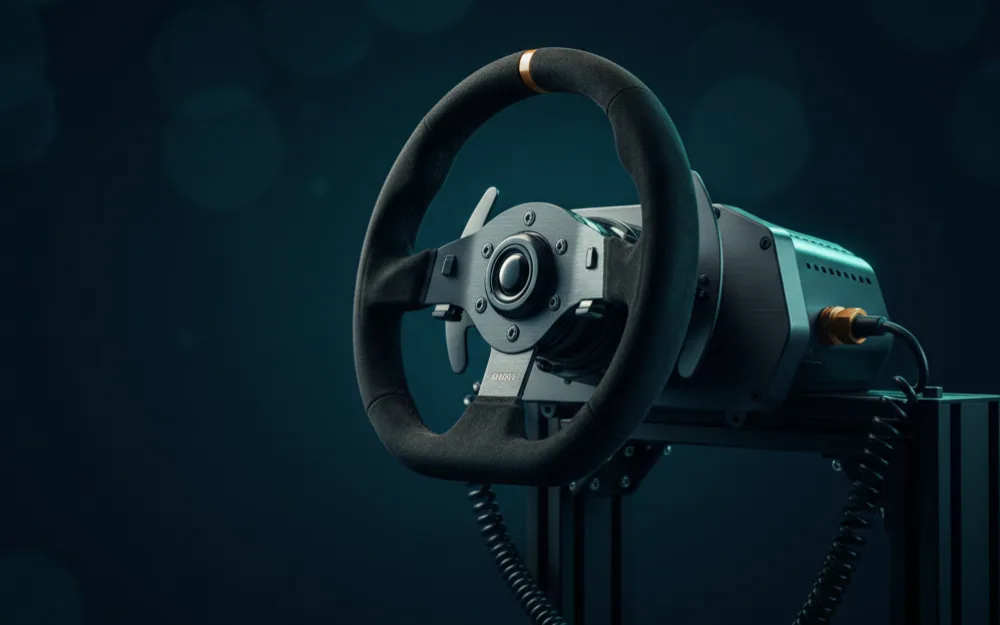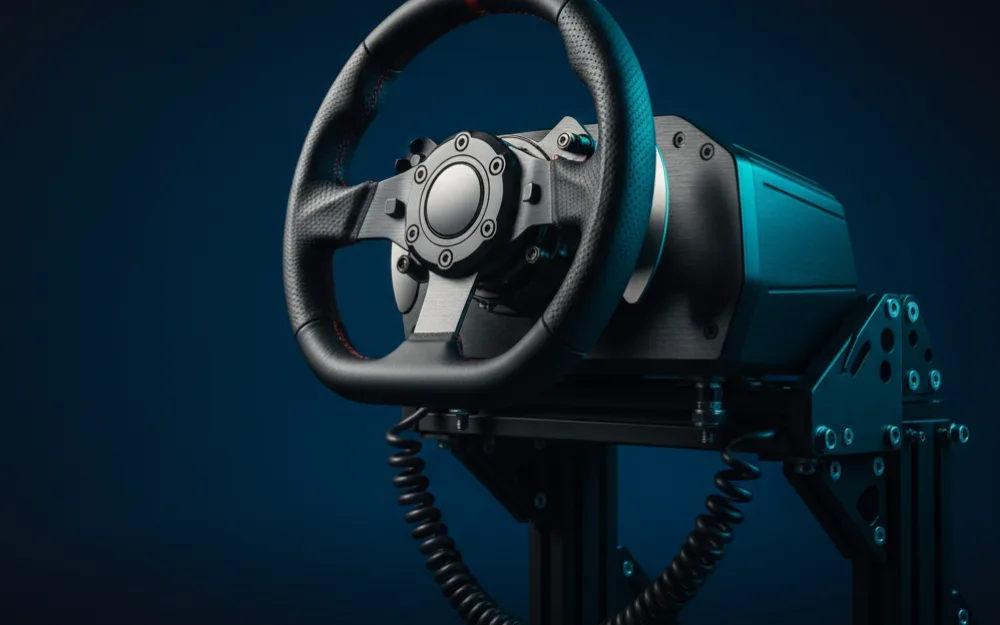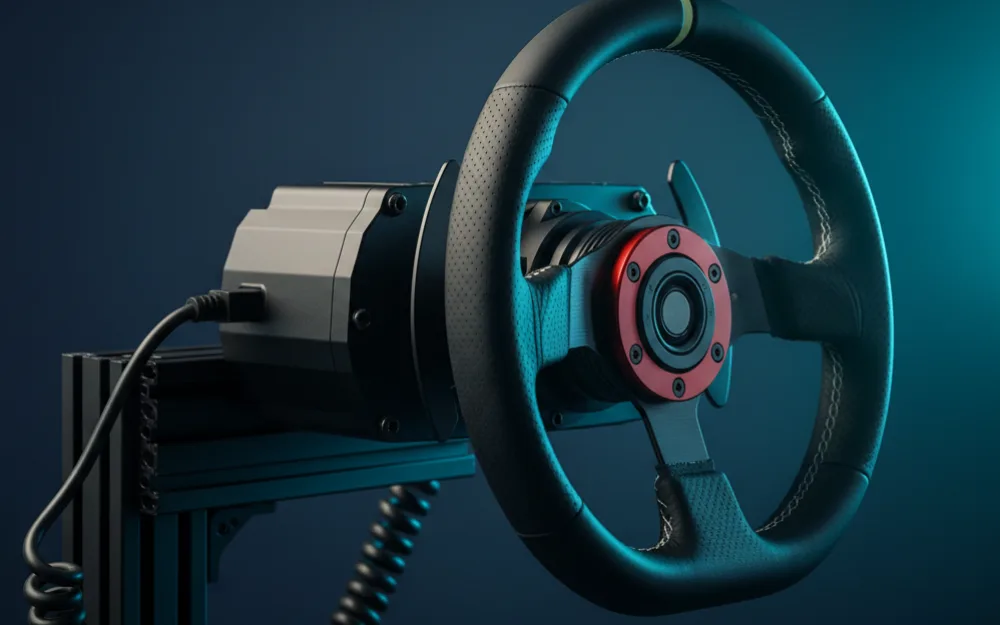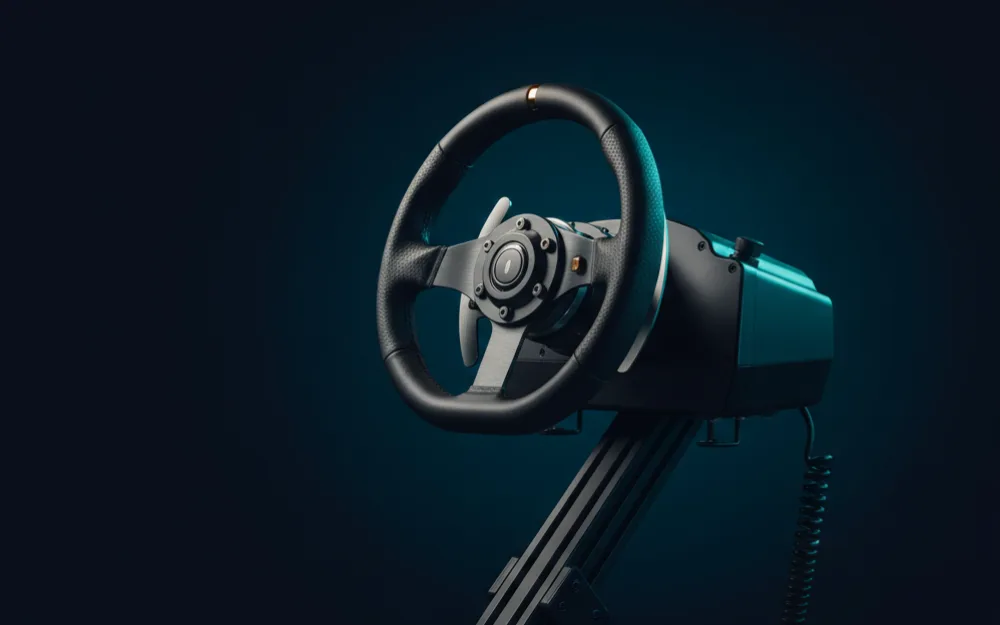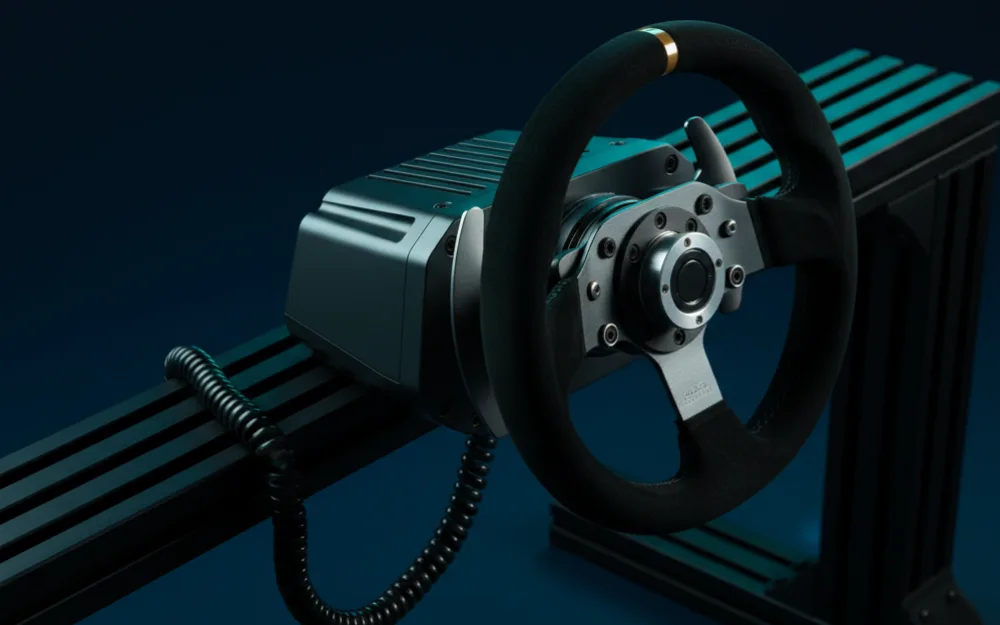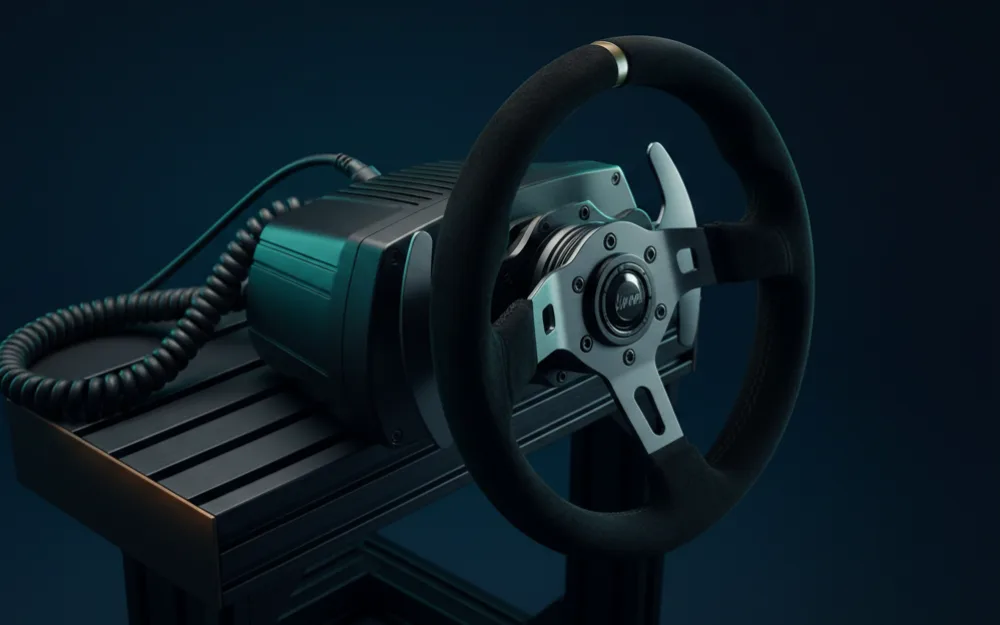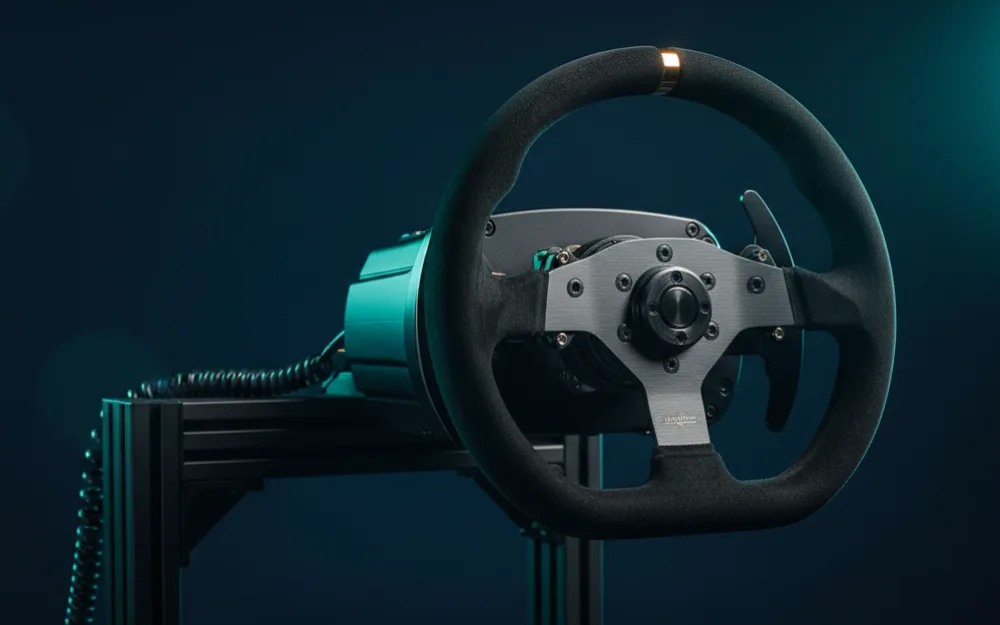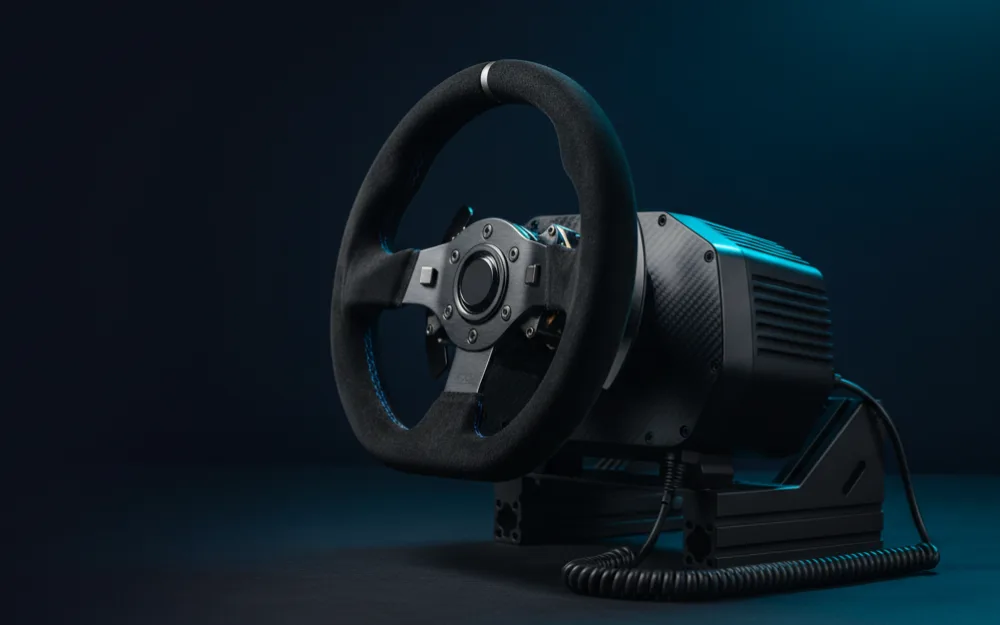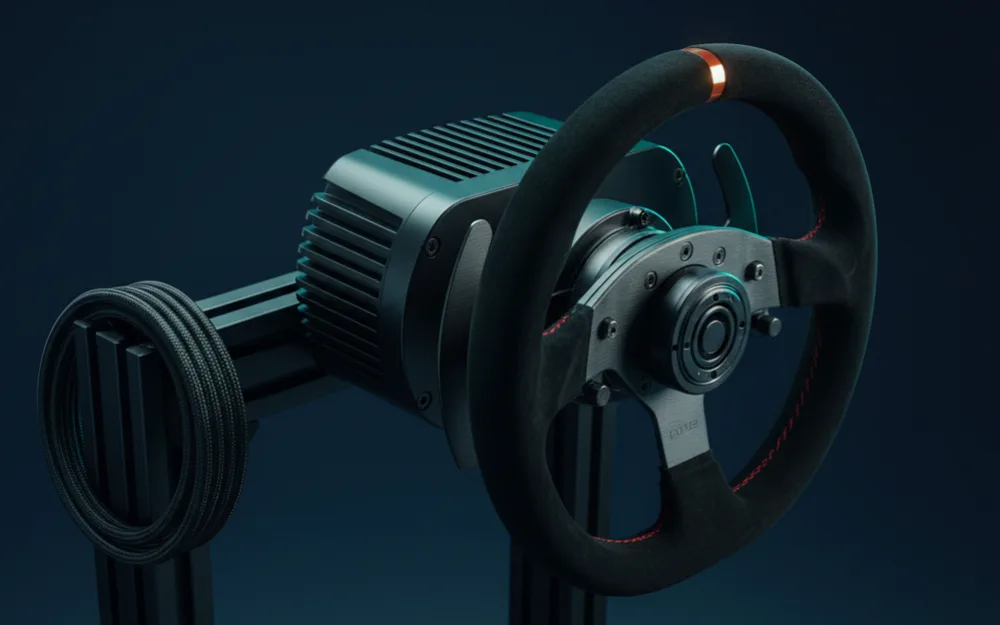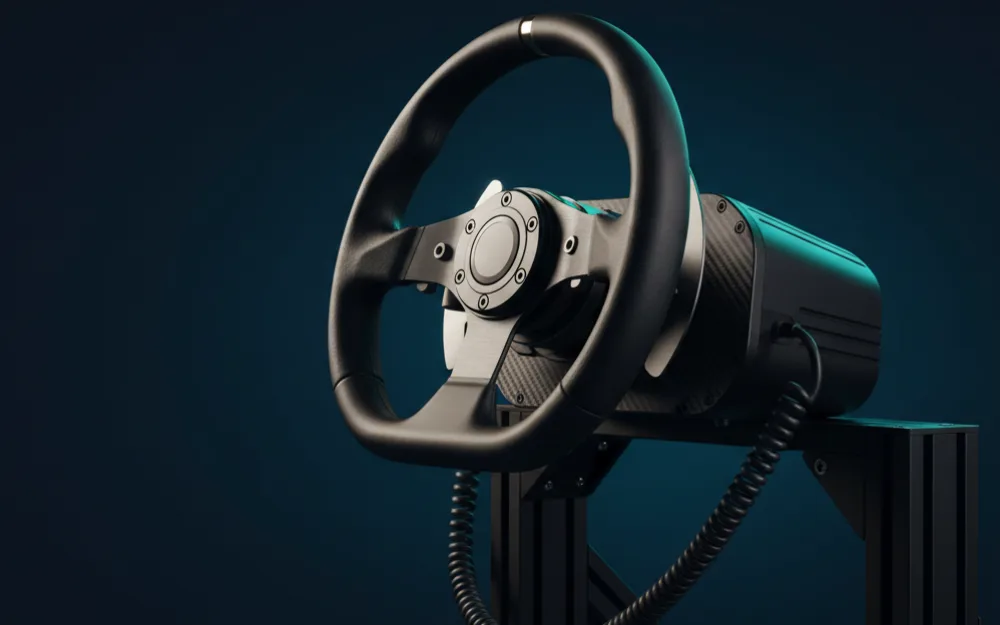

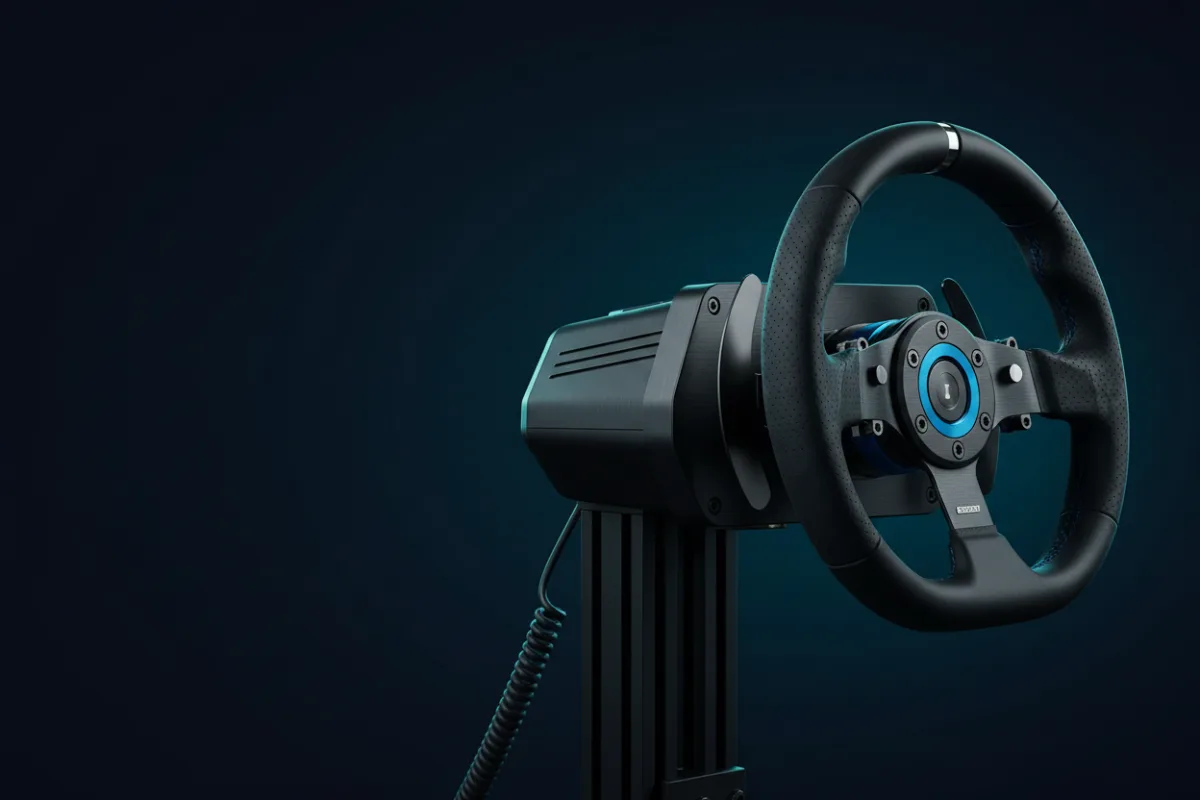

The PXN V10, sold under the full name V10 Ultra, is a direct drive wheel rated at 3.2 Nm of torque and built to work across PC, PlayStation 4, and Xbox One and Series X|S from a single unit. PXN is a newer name in sim racing next to Logitech, MOZA, or Thrustmaster, and it is using multi-platform reach and a lower cost of entry to compete rather than raw torque. Seeing where 3.2 Nm sits against the rest of the direct drive field explains that strategy.
This review looks at what the V10’s direct drive system actually delivers at this torque level, what is included, and who should look at a more established base instead. We compared manufacturer specifications with recurring owner feedback, and you can read how we review.

What it is and where it sits
At 3.2 Nm, the V10 sits below the 5 Nm class that most buyers treat as the entry point for direct drive, and well below the 9 to 12 Nm mid tier bases from established brands. Its case for a spot in the category rests elsewhere: a detachable 270 mm wheel, an adjustable steering angle from 80 to 1080 degrees, and compatibility spanning PC, PS4, Xbox One, and Xbox Series X|S from the same unit, a spread that most direct drive bases, built PC only, do not match.
Force feedback and build character
Direct drive bolts the wheel rim straight to a servo motor, removing the belt or gear stage that softens detail in cheaper systems, and PXN builds the V10 on that same principle. The honest read at 3.2 Nm is that the benefit here is precision at low force rather than raw strength: the motor can resolve small road texture cleanly, but it will not push back with the weight a heavier GT or open wheel car generates the way a 9 Nm or higher base does. Reviewers who compare entry direct drive wheels describe that trade-off as the defining one at this price: you get the responsiveness of a direct connection without the torque headroom that makes the category feel dramatically different from a good belt driven wheel. Dual Hall effect pedals pair with the wheel, using magnetic sensing rather than a mechanical potentiometer, which typically holds its calibration longer under repeated use.
What’s in the box
The V10 includes the wheel and a dual Hall effect pedal set, along with a heavy-duty clamp that PXN rates for desks and stands up to 2.2 inches thick. Magnetic paddle shifters sit behind the wheel, and PXN’s NEXUS app for iOS and Android, alongside its SIMRACING software on PC, handle steering angle, force feedback strength, pedal sensitivity, and button mapping, with one-click profiles for switching between games.
Pros and cons
What works:
- Genuine direct drive at a lower cost of entry than most of the category
- Works across PC, PlayStation 4, Xbox One, and Xbox Series X|S from one wheel
- Dual Hall effect pedals for consistent throttle and brake response over time
- Companion apps for tuning force feedback, steering angle, and profiles
What to weigh:
- 3.2 Nm is modest even next to the more affordable end of the direct drive field
- PXN lacks the long track record of Logitech, MOZA, or Thrustmaster
- Buyer ratings on the V10 trail the established brands’ direct drive lines
Who it is for
The V10 fits a racer who wants to try genuine direct drive across PC and console without paying established brand pricing, and who values platform flexibility over maximum torque. If you are still working out how much torque actually matters for your setup, our torque guide walks through the tiers.
Who should skip it
Skip the V10 if you race heavy GT or open wheel cars and want the torque headroom a 9 Nm or higher base provides; our best direct drive wheels guide covers that field. Skip it too if brand track record and consistent buyer feedback matter more to you than price, since PXN is still newer to the category than the names it competes against. For the broader category picture, see direct drive wheels.