

If you are buying your first proper force feedback wheel, the choice usually comes down to direct drive or belt drive, and the honest short answer is this: belt drive is the safer starting point for most beginners on a tight budget, while an entry direct drive base is worth the stretch if you already know you are serious and want a wheel you will not outgrow in a year. Neither is a mistake. They are two ways of turning the rim, and each teaches car control perfectly well. What differs is how the forces reach your hands, what they cost, and how much wheel you get for the money today.
This comparison walks through how each system works, where each one shines, and which type of driver each one suits. We compared manufacturer specifications with recurring owner feedback across both wheel types, and you can read how we review. If the underlying terms are new to you, start with Getting Started and our plain-language explainer on what direct drive is.
The quick answer by driver type
| Your situation | The type that usually fits |
|---|---|
| First wheel, tight budget, want pedals in the box | Belt drive (or a geared wheel one tier below it) |
| Serious from day one, willing to stretch the budget once | Entry direct drive |
| Console racer checking platform support before anything else | Either, but confirm the base is licensed for your console first |
| Sharing the rig with younger family members | Belt drive, or a direct drive base run at reduced strength |
How belt drive delivers its forces
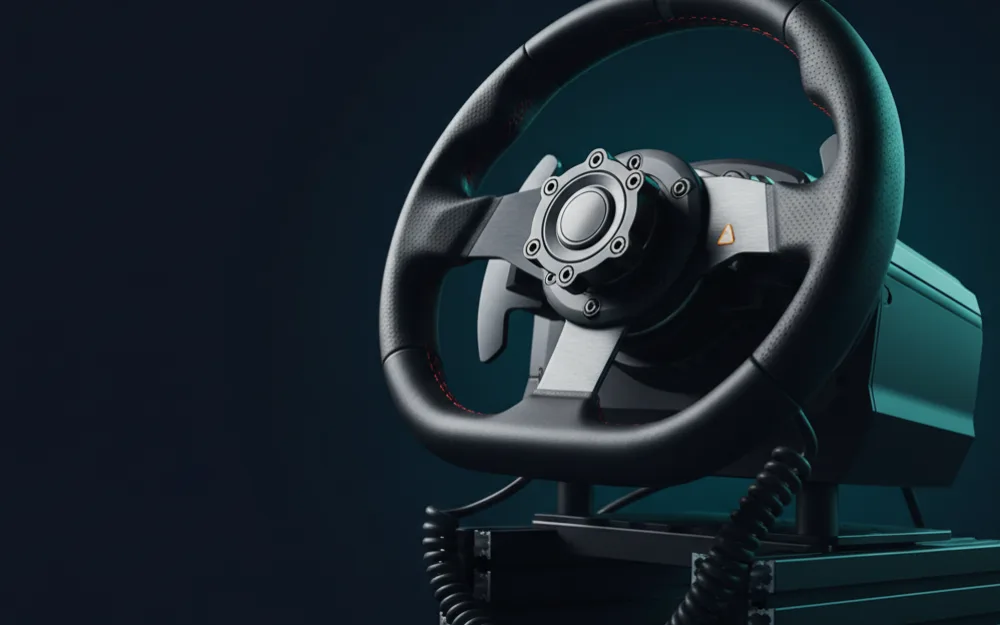
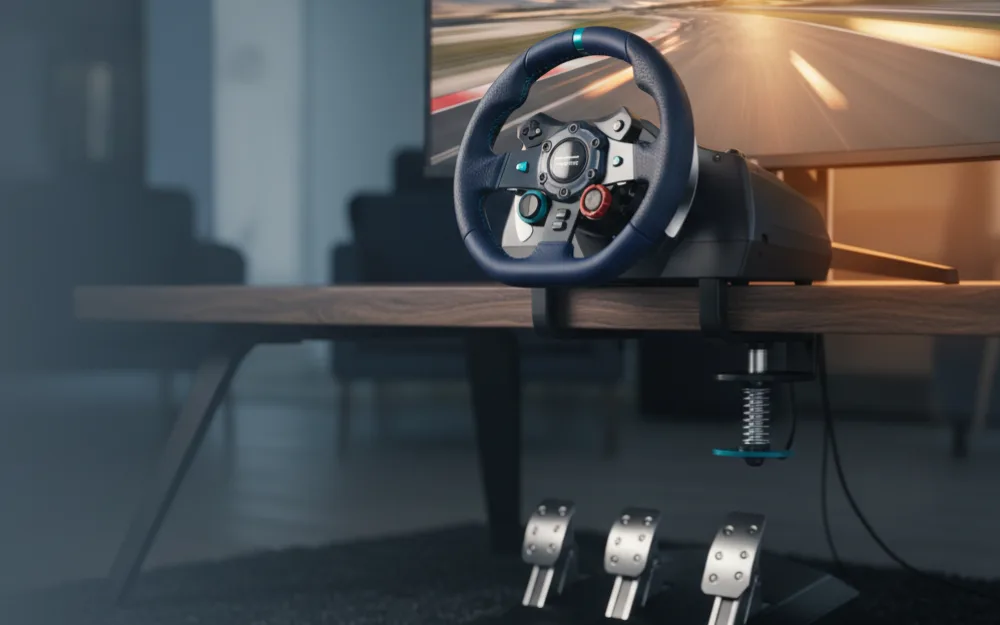
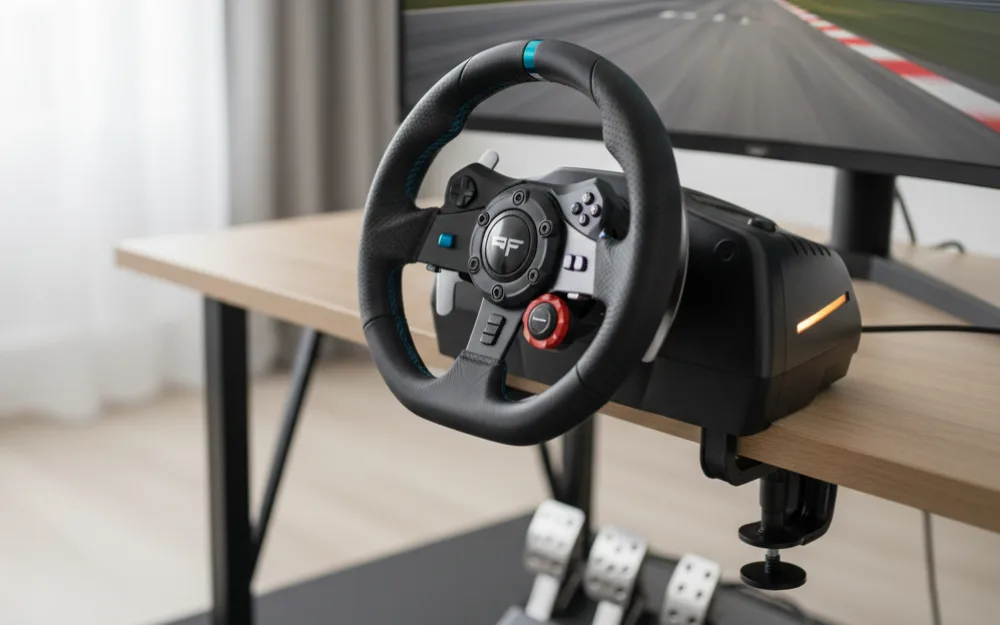
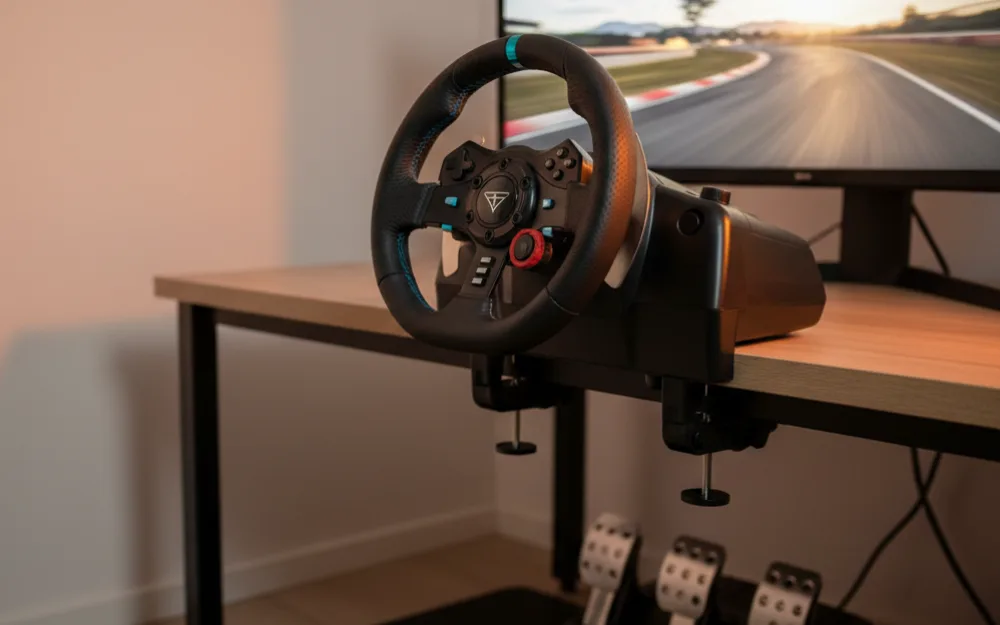
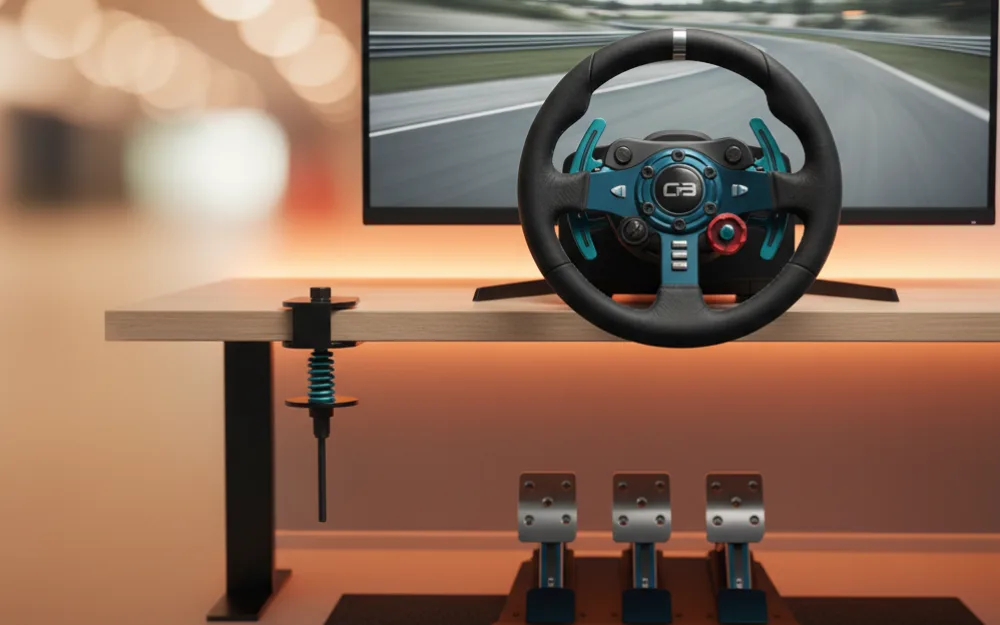
A belt drive wheel places a motor to the side of the rim and connects the two with a toothed belt and pulleys. That belt smooths out the motor’s raw motion before it reaches your hands, which is why belt wheels feel more refined than the geared wheels below them, where plastic or metal gears add a faint notchy texture you can sense when you turn slowly. The belt does soak up a little of the sharpest detail, so very small surface changes arrive softened rather than crisp. For a first wheel that trade is fair. You learn to read the big cues first, the load building through a corner and the front tires starting to wash wide, and those come through a belt wheel clearly.
How direct drive delivers its forces
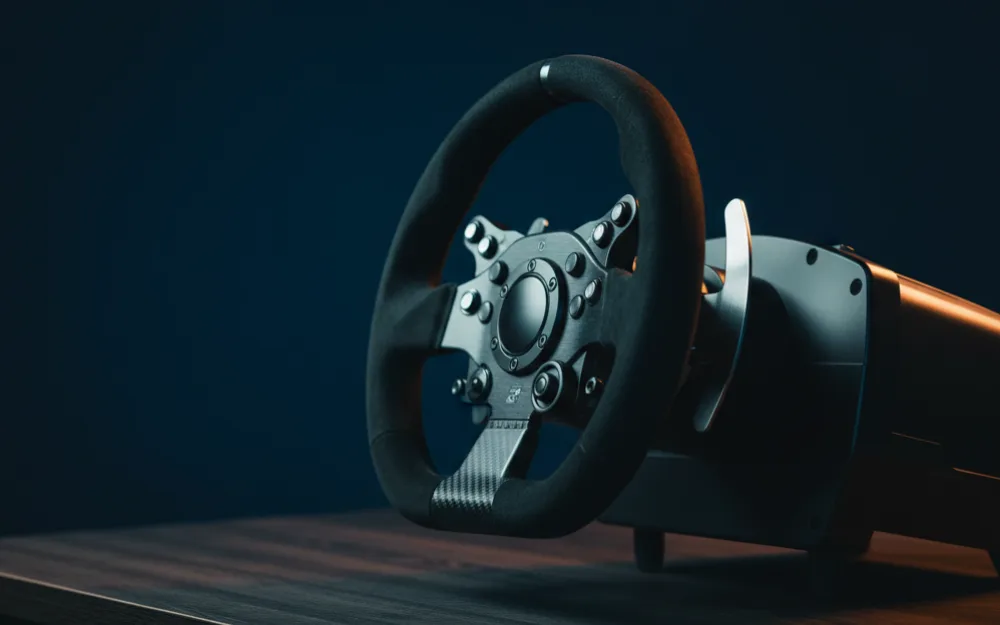
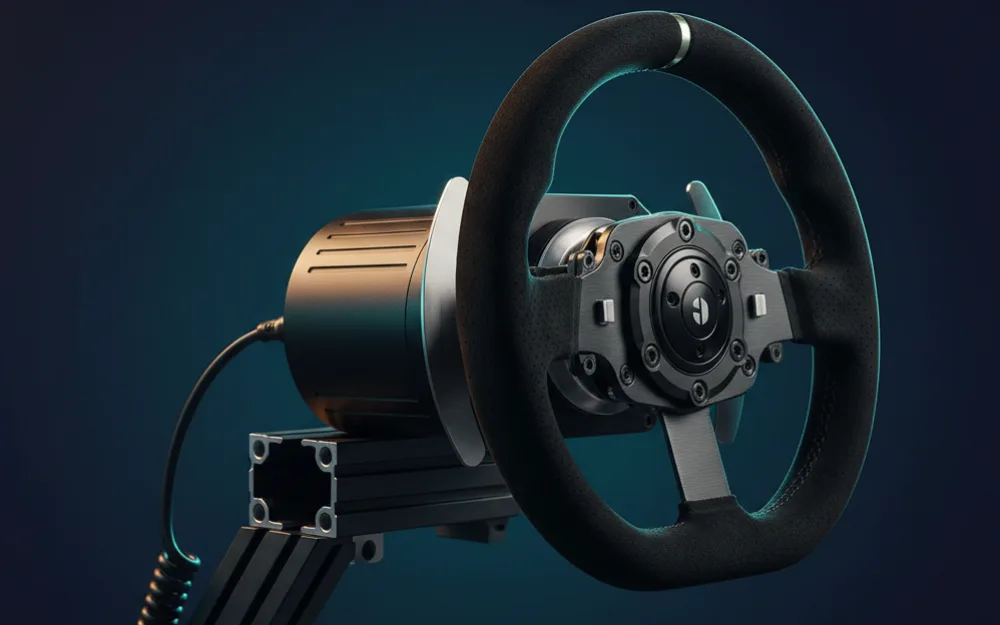
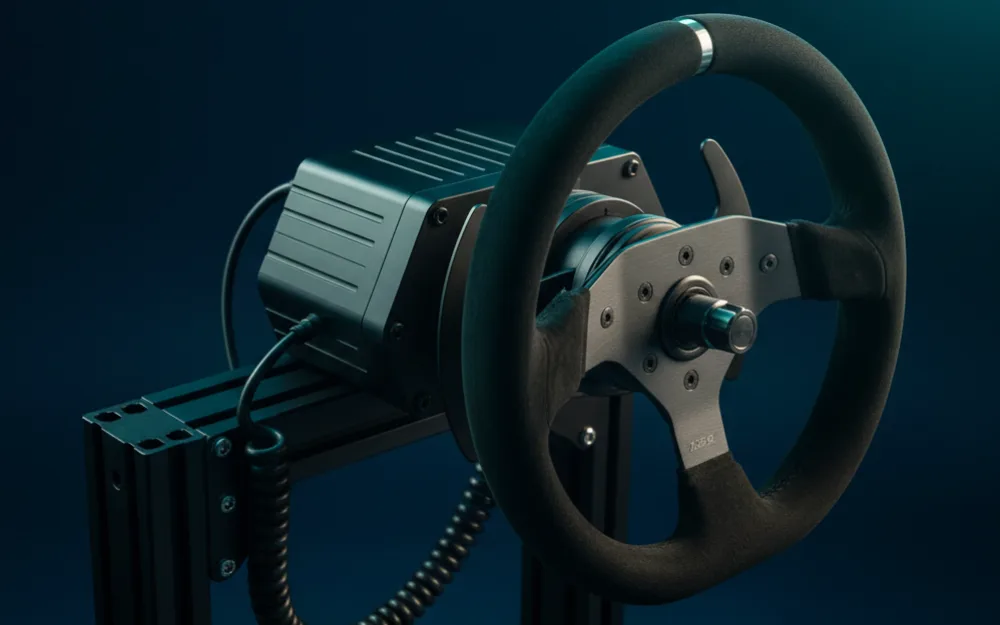
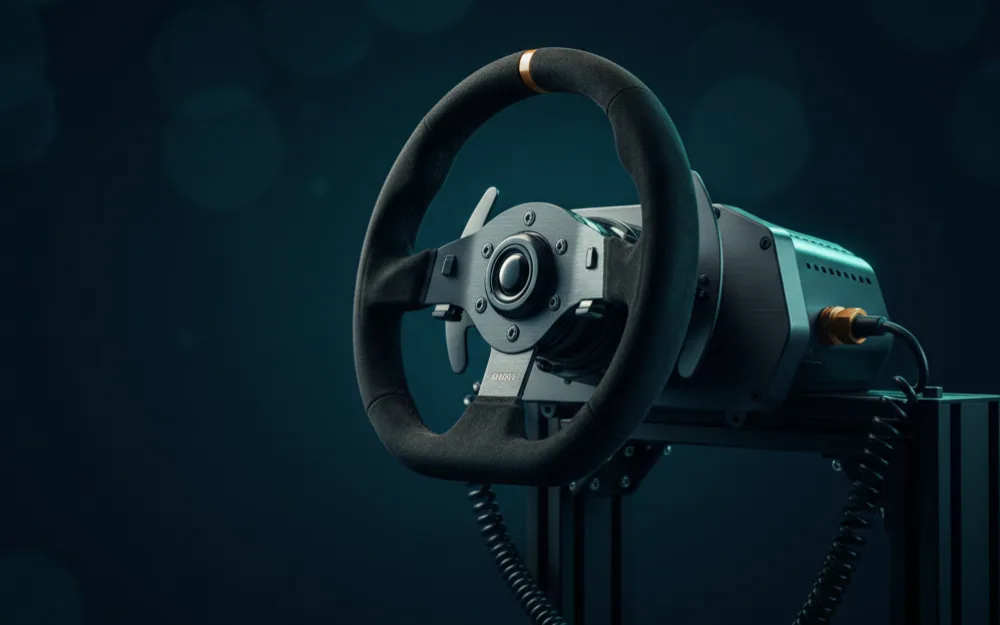
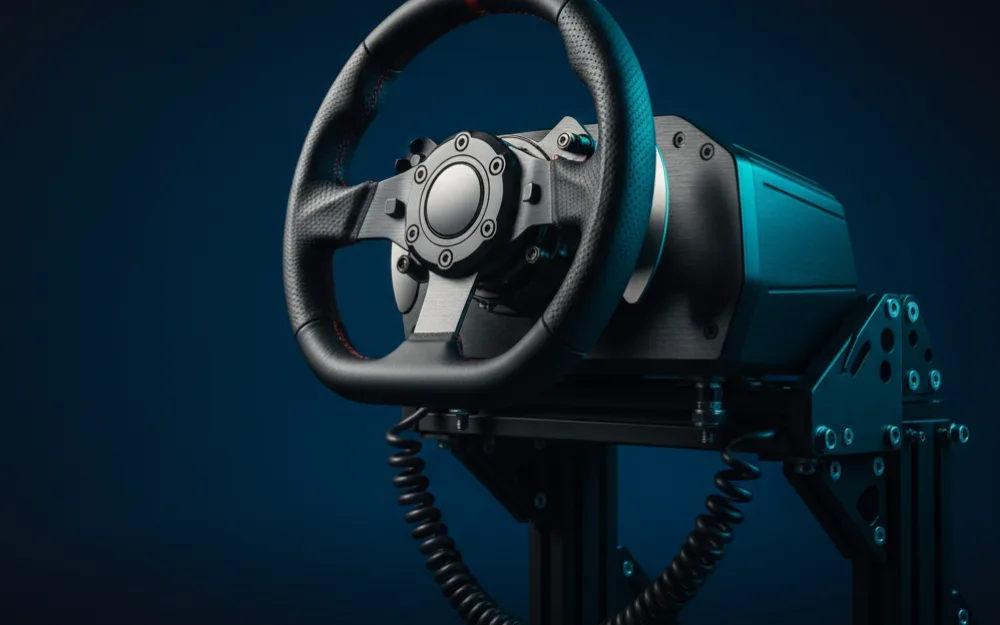
Direct drive removes the belt and the gears entirely and bolts the rim straight onto the motor shaft. Nothing sits between the motor and your hands, so the forces arrive with more strength and far more detail. Reviewers who race direct drive bases consistently describe surface texture, curb edges, and the exact moment grip returns on corner exit coming through sharp instead of muffled. That directness is the appeal, and it is also why even an entry direct drive base tends to cost more than a belt wheel with pedals. Strength is the other headline. Direct drive bases produce noticeably higher peak torque, which is thrilling but also the reason the safety notes below matter.
Side by side
| Aspect | Belt drive | Direct drive |
|---|---|---|
| How the rim is driven | Motor linked to the rim by a belt and pulleys | Rim bolted directly to the motor shaft |
| Detail and sharpness | Smooth, with the finest detail softened | Sharp, with fine surface texture preserved |
| Peak strength | Moderate | Higher, and adjustable down for safety |
| Typical starting cost | Lower, often with pedals included | Higher, and pedals are frequently separate |
| Noise | A soft belt hum under load | Generally quieter at the rim |
| Room to grow | You may want to upgrade within a year or two | Longer runway before you feel the ceiling |
Cost is the real fork in the road
The method here matters more than any single number, because pricing shifts often and bundles change what you get. Think in tiers instead. A belt wheel usually arrives as a complete package with a wheel and a pedal set ready to race, so the sticker is close to what you actually spend. An entry direct drive base is frequently sold on its own, which means the rim and pedals can be separate purchases that push the true starting cost higher than the base alone suggests. Budget for the whole setup, the base plus the rim and pedals, and the gap between the two types narrows or widens depending on what a given bundle includes. If you want to see how complete packages stack up at each level, our best wheel and pedal set guide lays the tiers out side by side.
Safety first with direct drive
Because direct drive bases can produce strong forces, treat the setup with respect, especially at first. Keep a firm two-handed grip on the rim through big impacts, since a sudden snap on a curb or a spin can wrench a loosely held wheel. Start a new base at a lower strength setting and raise it gradually as your grip and confidence build rather than beginning at maximum. If children use the rig, lower the strength further before they drive. None of this makes direct drive dangerous in normal use, but the extra power is real, and a few minutes setting sensible limits is worth it. Belt wheels carry less of this concern simply because their peak forces are lower.
Who should pick belt drive
Choose belt drive if this is your first wheel and the budget is firm, if you want a wheel and pedals in one box without planning separate purchases, or if you are not yet sure how deep the hobby will run for you. A belt wheel gives you clean, readable feedback to learn on, a gentler power level for a shared or family rig, and a lower cost of entry. Plenty of drivers log years on one before they ever feel held back. If that describes you, browse the field in our best sim racing wheels guide and the budget options in the best racing wheels under $300.
Who should pick direct drive
Choose an entry direct drive base if you already know you are committed, if you want the sharpest detail and the strongest feel available at the entry level, or if you would rather stretch once now than upgrade again soon. The extra detail rewards drivers who want to feel exactly what the tires are doing, and the longer runway means you are less likely to outgrow the base quickly. Just budget for the rim and pedals as part of the plan, and set your strength limits sensibly at the start. To understand the concept fully before you commit, read what is direct drive and the plain definition of force feedback.
Your next step
Decide first whether you are buying on a firm budget or committing for the long run, then let that answer point you to belt drive or entry direct drive rather than chasing the strongest number. For the shortlist across both types, start with our best sim racing wheels guide, compare complete bundles in the best wheel and pedal set, and if a term trips you up, the wiki entry on direct drive keeps things plain.