


Force feedback (FFB) is the resistance, weight, and movement a racing wheel produces through a motor to reproduce the forces a driver would feel through a real steering wheel. The game calculates those forces from its physics model many times per second and sends them to the wheel, which turns them into torque at the rim.
What it communicates
In a real car, the steering wheel tells you how much grip the front tires have. As grip builds the wheel gets heavier; as the tires begin to slide it goes light. Force feedback reproduces that, along with self aligning torque that returns the wheel to center, the kick of a curb, the vibration of a rumble strip, and the jolt of a bump. A driver who reads force feedback well knows the car is about to understeer before it happens.
How it is generated
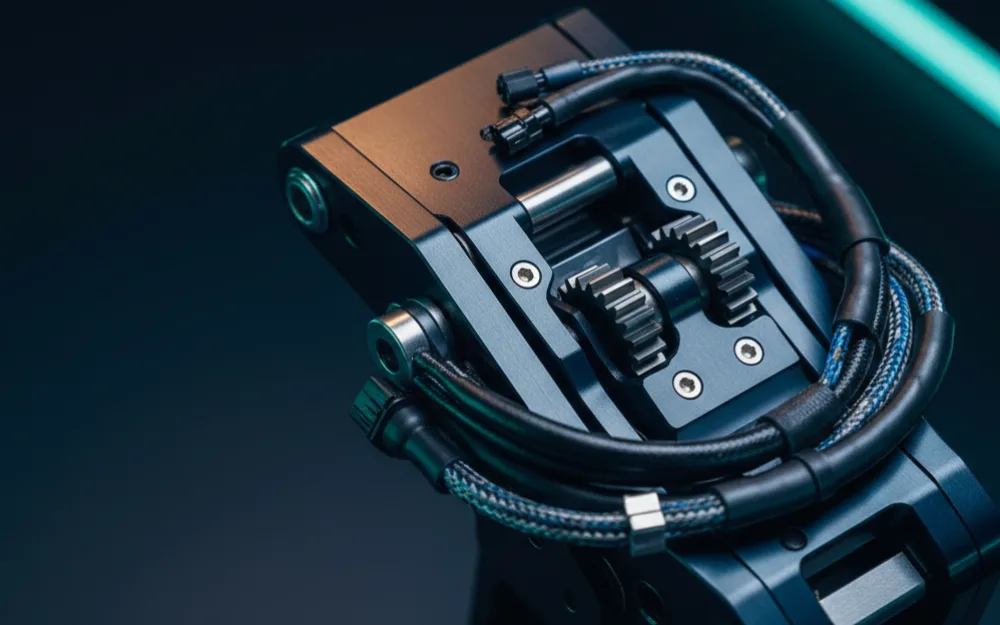
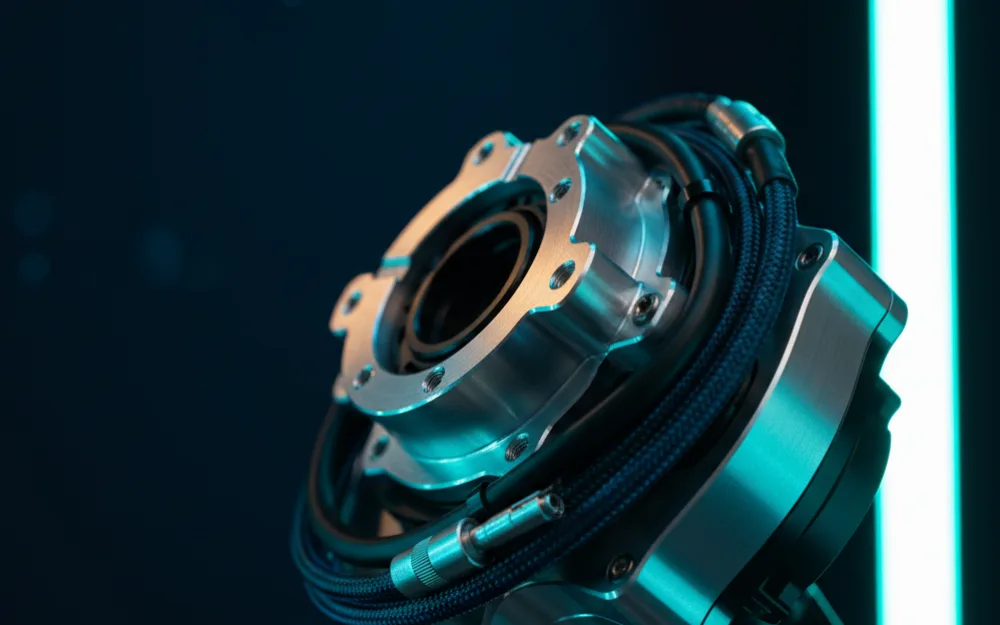
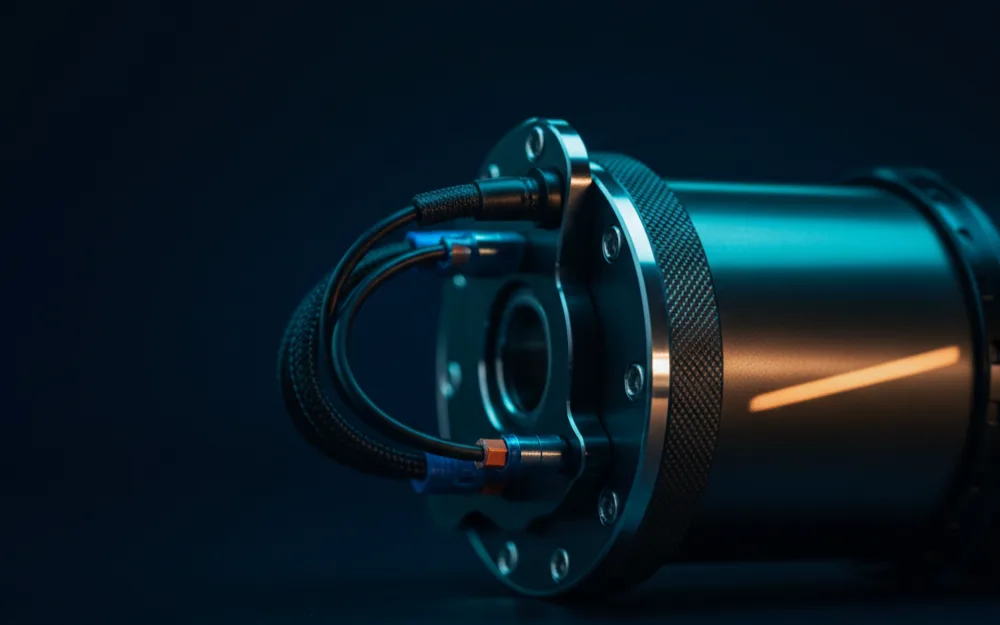
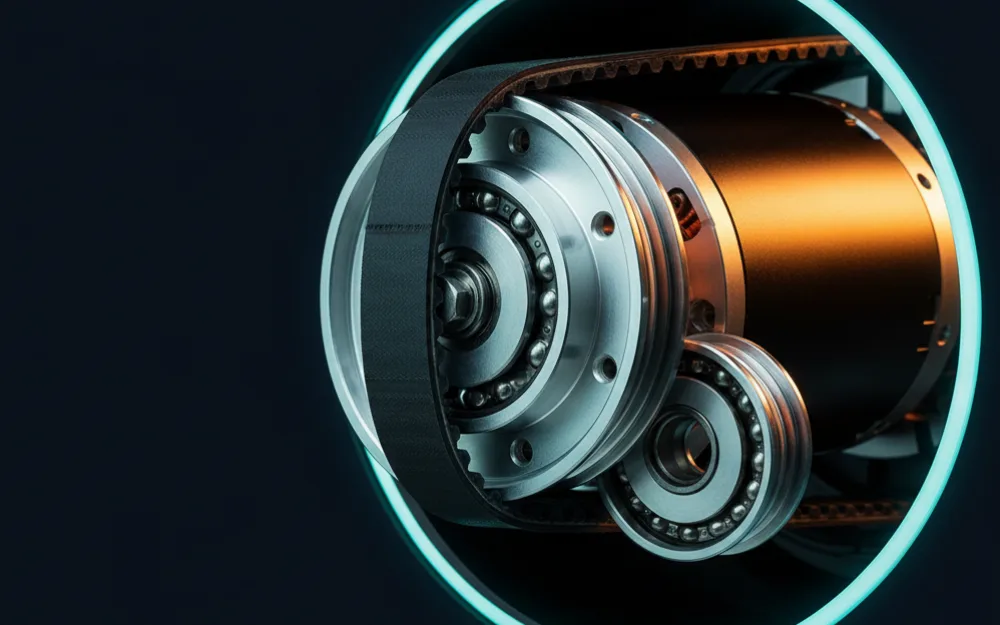
Every force feedback wheel has a motor. In gear driven wheels the motor turns gears; in belt driven wheels it turns a belt; in direct drive wheels the rim sits on the motor shaft. The mechanism determines how much of the signal survives the trip. Some games add canned effects (engine vibration, gear shifts) on top of the physics based forces; Logitech’s TRUEFORCE is an example of a system that reads game data for extra high frequency effects.
Setting it
Strength should be set so that the wheel never runs out of force during normal driving; if it does, the effects flatten, a condition called clipping. Most drivers set overall strength lower than they expect and let the detail come through. Damping, friction, and inertia settings shape the feel and are best adjusted one at a time.
Wheels without force feedback
Some inexpensive wheels, such as the HORI Racing Wheel Apex, center with a spring or bungee but have no force feedback motor. They are controller substitutes rather than sim racing wheels.
Related terms
Direct drive · Torque (Nm) · FFB clipping · Telemetry · Guide: drive types explained