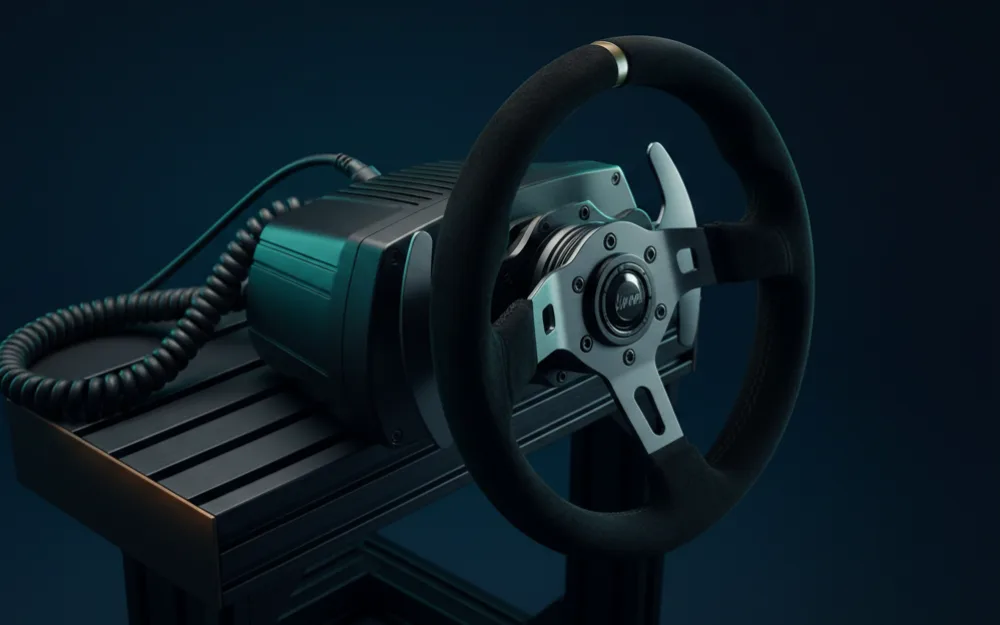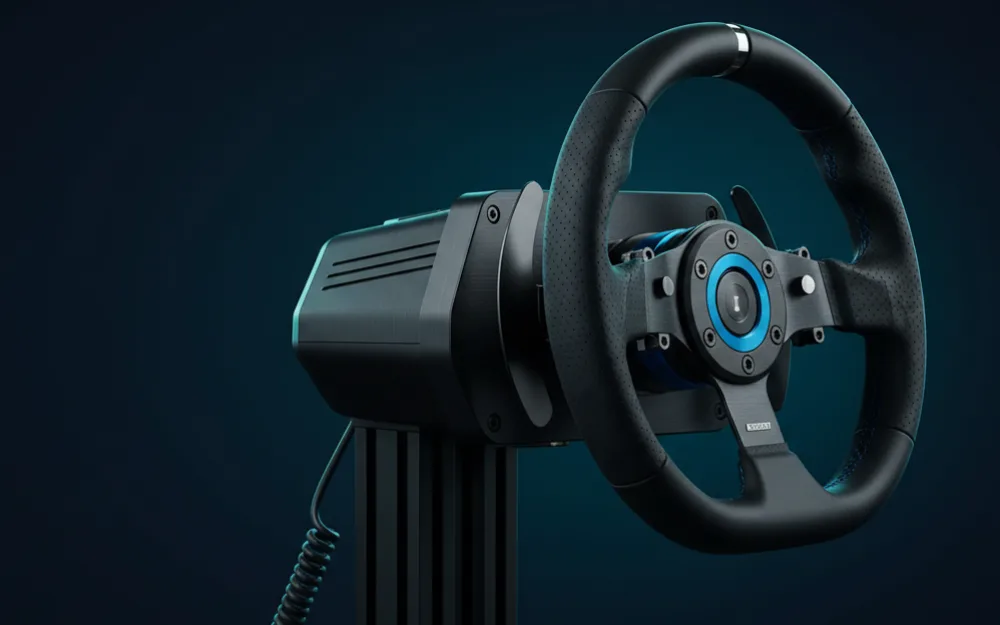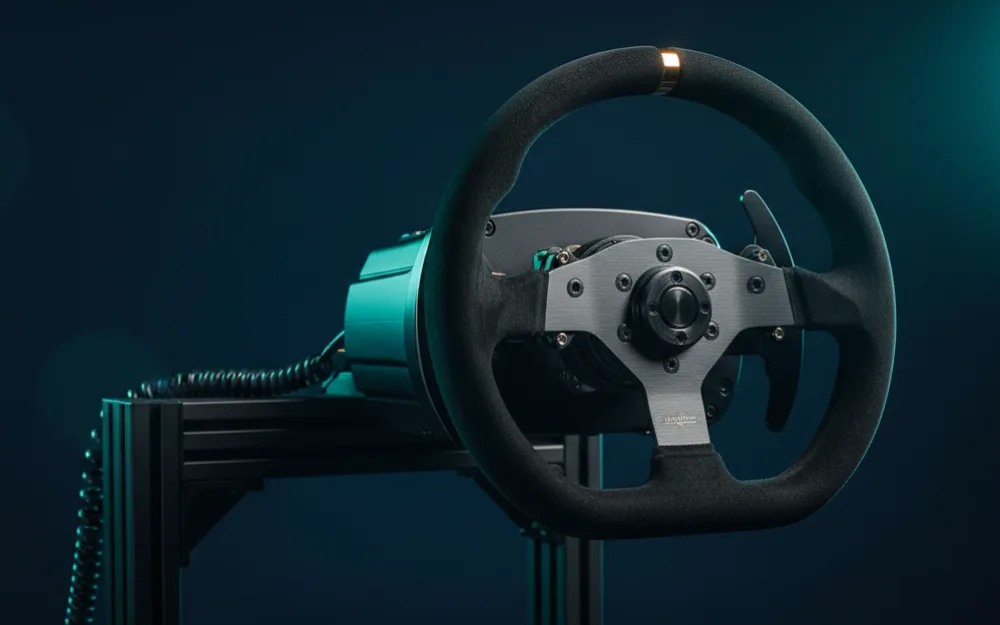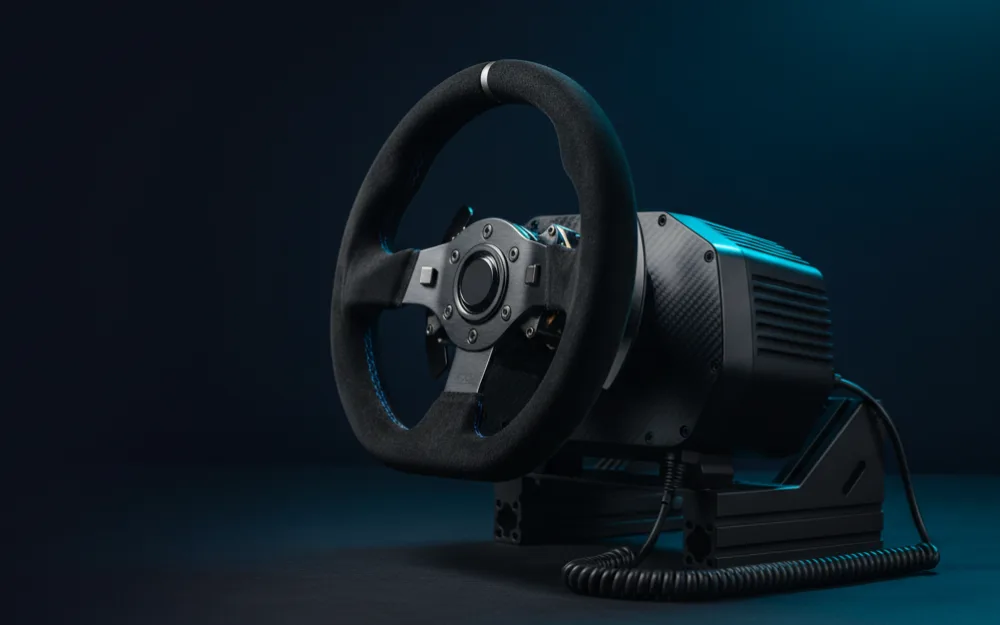


Direct drive used to be the expensive end of sim racing. Under $500 it is now the entry point, and that changes the question from whether you can afford it to which one is actually worth buying. Every wheel in this roundup is true direct drive, meaning the rim bolts straight onto the motor with no belt or gears in between, so the forces reach your hands clean and instant. The catch at this price is that direct drive is defined by torque, and torque varies widely here, from a modest entry figure to a genuinely strong one, along with real differences in whether you get a complete kit or just a base. This guide ranks the field by what it delivers, and it starts with why the newton meter number matters so much.
We compared manufacturer specifications with recurring owner feedback rather than our own driving time, and you can read how we review. If you are still weighing direct drive against a proven belt wheel, our best racing wheels under $400 guide covers that choice, and for the full field see our best sim racing wheels roundup.


What torque really tells you about a direct drive wheel
Before we rank anything, it helps to understand what direct drive torque actually buys, because it is the single number that separates these wheels. Torque, measured in newton meters, is how hard the motor can push the rim before it runs out of strength, or saturates. When a wheel saturates, the strongest effects flatten into a wall of resistance and you lose the detail on top. More torque means more headroom, so peaks stay sharp. The useful reference points at this price are these: around 3 Nm is enough to feel real direct drive cleanliness but will saturate in heavy cars, 5 Nm is the widely accepted sweet spot for a first direct drive wheel with a good balance of detail and strength, and 9 Nm gives serious headroom that most newcomers will grow into rather than need on day one. One honest note on excluding wheels: some budget wheels marketed with force feedback are belt or gear designs rather than direct drive, so we kept this list to bases that genuinely bolt the rim to the motor.
How we picked
We set four criteria for this bracket. Each wheel had to be true direct drive, so wheels that use a belt or gears to reach the rim, even when sold as force feedback, were left out no matter how affordable. It had to hold under $500 for the base or bundle described. We weighed torque against what you get for it, since a strong base only figure and a modest complete bundle can cost the same, and the right answer depends on whether you already own pedals. And we were strict about the ownership record, because direct drive is a bigger commitment than an entry wheel, and a thin or low rating is a real caution rather than a footnote. We did not assign weighted scores, and the WSR Score on each card reflects verified buyer ratings, not an editorial rubric.
At a glance
| Wheel | Peak torque | Kit | Platforms |
|---|---|---|---|
| MOZA R5 | 5.5 Nm | Base, wheel, and pedals | PC |
| MOZA R9 V3 | 9 Nm | Base only | PC (Xbox with the MOZA ESX wheel) |
| Fanatec CSL DD QR2 | 5 Nm | Base only | PC (Xbox with a licensed wheel) |
| PXN V10 Ultra | 3.2 Nm | Wheel and pedals | PC, PS4, Xbox One, Xbox Series X and S |
| Thrustmaster T598 (renewed listing) | Direct axial drive | Wheel and pedals | PS5, PS4, PC |
MOZA R5
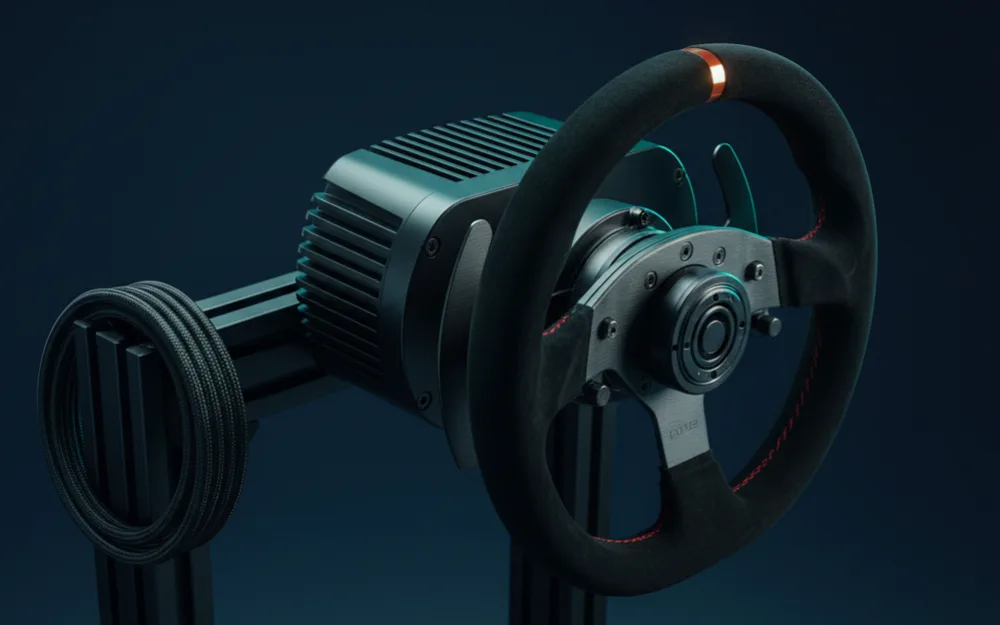
The R5 is the value benchmark for a first direct drive wheel, and it is the one we point most PC racers toward, because it is a complete bundle at a strong rating rather than a base you still have to build around. It pairs a 5.5 Nm direct drive servo with a compact ES wheel and steel pedals, and 5.5 Nm sits right in the sweet spot: strong enough to feel real weight, gentle enough not to overwhelm a newcomer or demand a heavily reinforced rig. Reviewers describe a wheel a clear generation ahead of belt and gear starters, with fine surface detail and sharp self centering. The pros are that balanced torque, a complete kit including steel pedals that beat the plastic sets common at this price, and the mature MOZA upgrade path. The cons are that it is PC only, so console racers must look elsewhere, and the torque ceiling means drivers who move to an R9 will feel more muscle in heavy cars. It fits a PC racer who wants a proven, complete first direct drive setup. Our MOZA R5 review has the full picture.
MOZA R9 V3
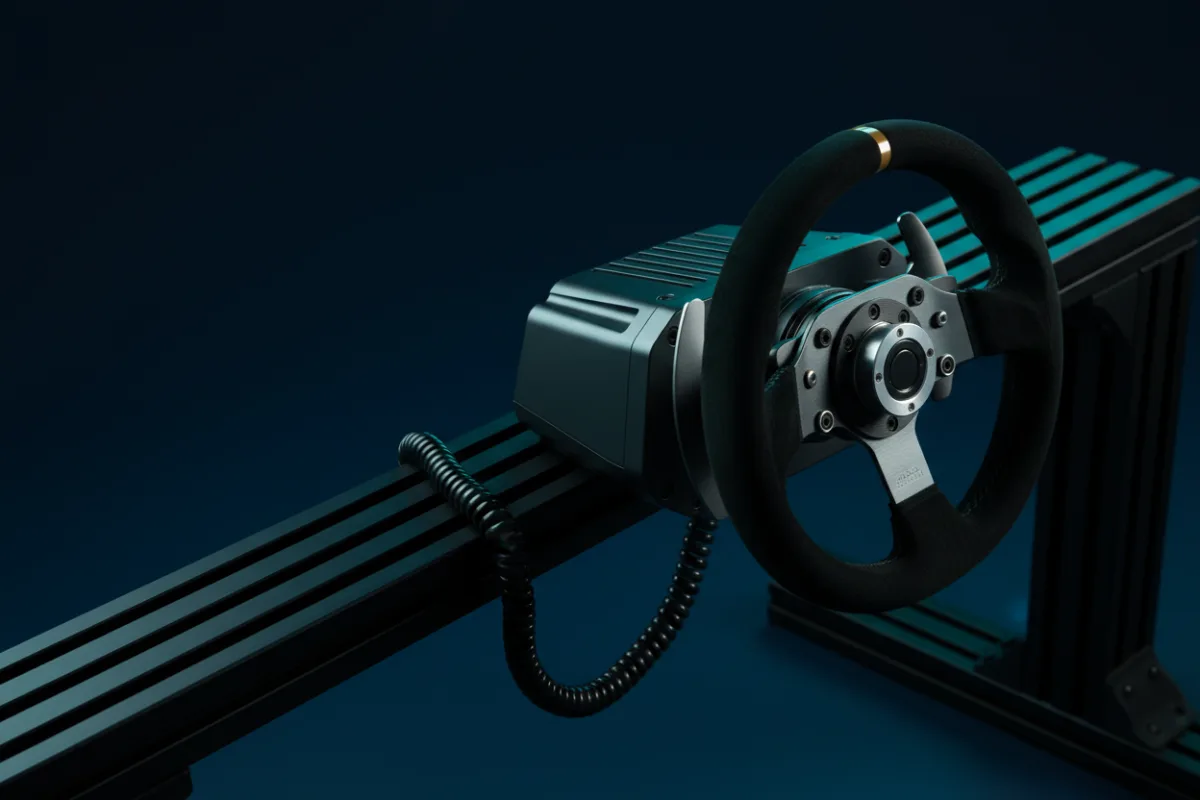
The R9 V3 is the torque champion of this bracket, a 9 Nm direct drive base that puts far more strength within reach than anything else near the price. If you already own pedals or plan to buy them separately, it is the most force per dollar here, backed by a 21 bit magnetic encoder and MOZA’s NexGen feedback algorithm in an aviation grade aluminum housing. Reviewers describe the MOZA feel as smooth and detailed, and 9 Nm gives headroom that keeps peaks sharp where a 3 to 5 Nm base would saturate. The pros are that standout torque figure, the deep MOZA ecosystem, and a serious metal build. The cons are that it is a base only purchase, so a rim and pedals push the real cost up, it is PC first, with Xbox play limited to pairing it with MOZA’s ESX wheel and no PlayStation support, and the verified ownership record on this exact revision is still forming, so it is a stronger bet for a buyer who already trusts the platform. It fits a racer chasing maximum strength who is comfortable assembling the rest. Our MOZA R9 review covers the surrounding parts.
Fanatec CSL DD QR2
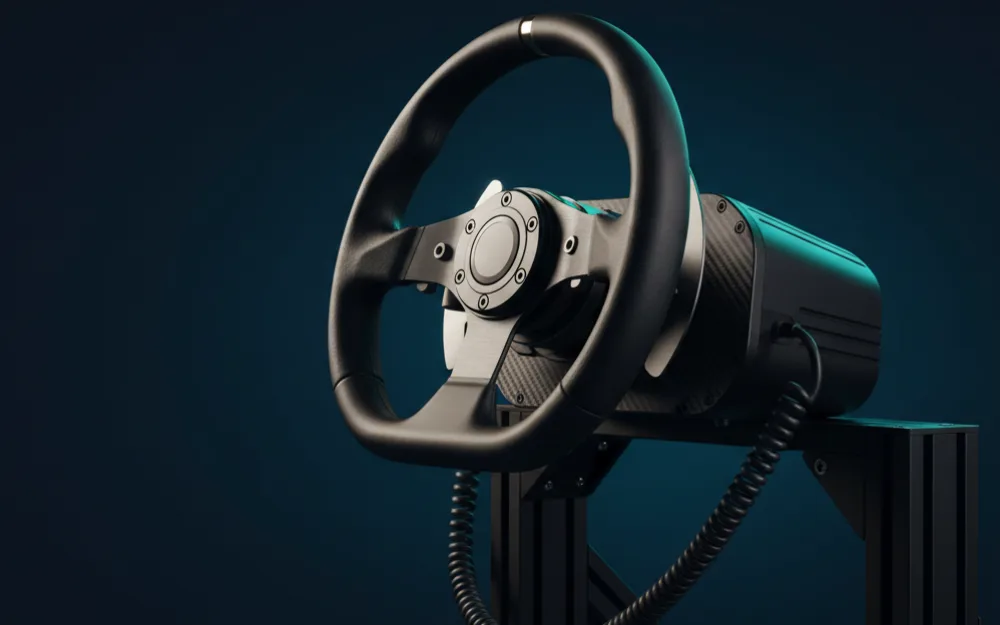
The CSL DD is the wheel to buy if the ecosystem matters as much as the motor, because its QR2 quick release and full Fanatec SDK support open one of the widest catalogs of motorsport style rims and load cell pedals in sim racing. The 5 Nm FluxBarrier motor is smooth and detailed for an entry direct drive base, and 5 Nm is a comfortable, balanced amount of force for learning. Reviewers rate the motor highly for the money. The pros are a refined signal, a serious quick release standard, and a clear expansion path. The cons are that it is a base only purchase on PC, with Xbox requiring a licensed wheel, so the raceable cost lands higher, and its verified ownership record is thin, which shows in a rating below the MOZA options. It fits a racer who wants to start a Fanatec setup and grow it deliberately rather than buy a finished bundle. Our Fanatec CSL DD review explains what to add.
PXN V10 Ultra
The V10 Ultra is the most affordable way to get a complete direct drive wheel that also reaches consoles, and that combination is its whole appeal. It uses a servo motor delivering 3.2 Nm of direct drive force with no gears or belts, ships with a detachable microfiber wheel and dual Hall effect metal pedals, and runs on PC, PS4, and Xbox platforms. Reviewers describe cleaner response than a belt starter thanks to the direct drive layout, with a wide adjustable rotation range. The pros are true direct drive at the lowest entry, a complete wheel and pedal kit, and unusually broad platform support for a direct drive wheel. The cons are that 3.2 Nm is modest and will saturate in heavier cars, the pedal set is a two pedal design, and its ownership record and rating sit below the MOZA bases, so temper expectations against the stronger options above. It fits a budget racer, especially on console, who wants real direct drive cleanliness over raw strength. Our PXN V10 review has more detail.
Thrustmaster T598
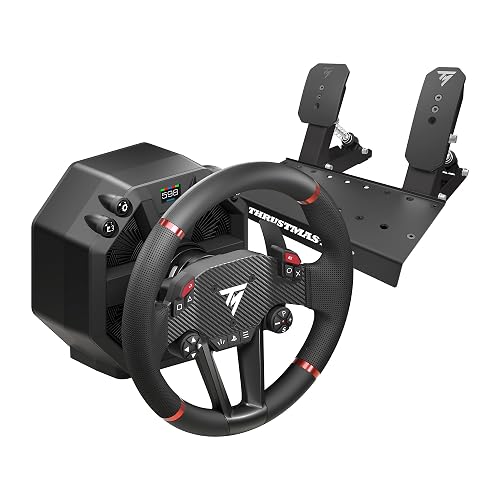
The T598 belongs on this list for its direct axial drive design and PlayStation support, but it comes with a caution we will not bury: the listing here is an Amazon Renewed unit with a short 90 day warranty, and its verified rating is the lowest in this group at 3.0, which points to a meaningfully mixed ownership experience. Thrustmaster positions the axial drive as a next generation approach that works on PS5, PS4, and PC, which is a genuine draw for a console racer who wants direct drive in the Thrustmaster world. The pros are console direct drive support and the Thrustmaster ecosystem. The cons are the low rating, the renewed condition and its shorter warranty, and the uncertainty that both introduce for a purchase this size. It fits only a buyer who specifically wants a PlayStation compatible direct drive wheel from Thrustmaster and has read recent owner feedback closely first. Our Thrustmaster T598 review lays out where the concerns cluster.
Who should skip direct drive at this price
| Entry direct drive fits you if | Look elsewhere if |
|---|---|
| You want clean, instant signal over a belt or gear feel | You race only on a platform none of these bases support |
| You are on PC, or you want the console friendly options here | You want a complete console bundle with a strong rating |
| You accept the sweet spot torque of the 5 Nm class | You need high torque now and can stretch to the tier above |
If you race on a console and want the reassurance of a proven, complete bundle, a strong belt wheel from our best racing wheels under $400 guide may serve you better than the base only direct drive here. And if you already know you want more strength, the smarter move is often to save for the next tier rather than buy the cheapest direct drive twice.
How it scores
The WSR Score shown on each card reflects verified buyer ratings gathered and normalized on a consistent scale, not an editorial rubric. You can read what goes into it on How We Review. On that basis the MOZA bundles lead this group, the Fanatec base sits a little lower on a thinner record, and the renewed Thrustmaster carries the lowest rating here by a clear margin, which is exactly why we flagged it. Read each score next to the kit you get and the platform you race on.
Where to go from here
If your budget can stretch, the strongest direct drive performers live in our best direct drive wheels under $1000 roundup, where torque and ecosystem separate the field. If you are still torn between direct drive and a proven belt wheel at a similar price, our best racing wheels under $400 guide weighs both. For the complete overview across every tier, see our best sim racing wheels guide, and browse more in direct drive wheels.