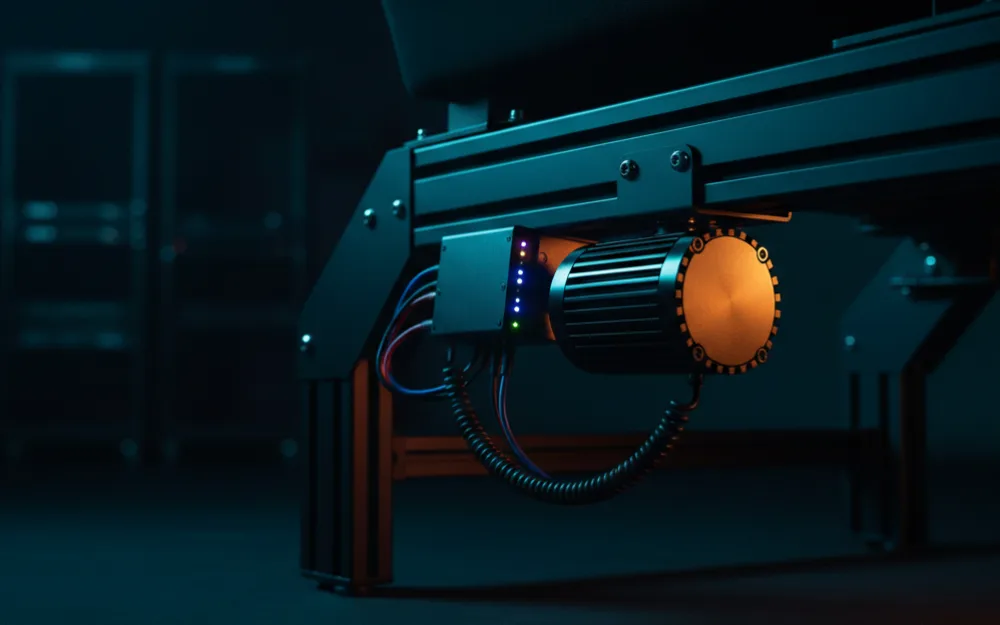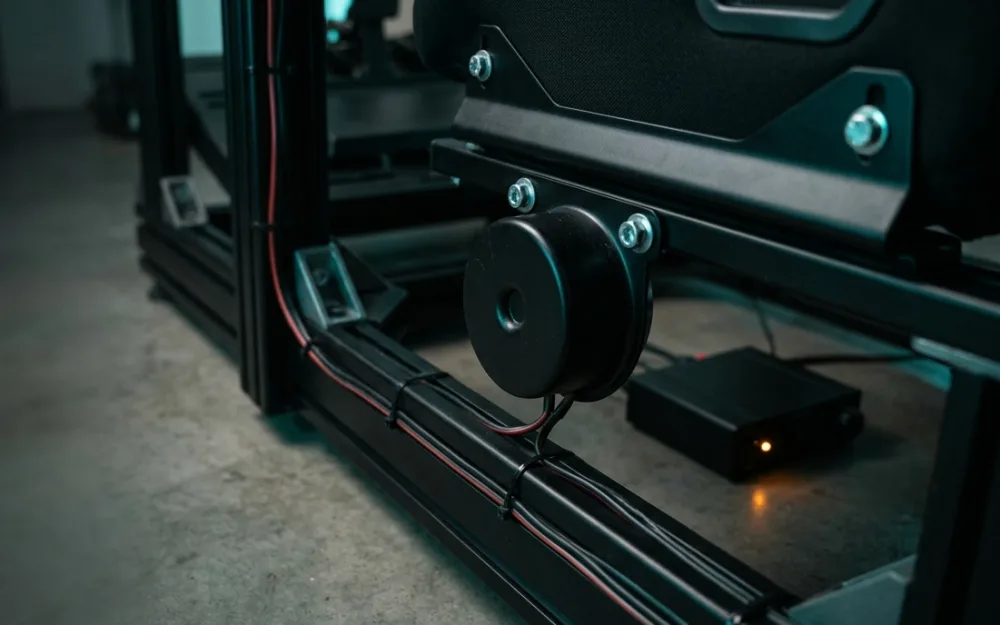

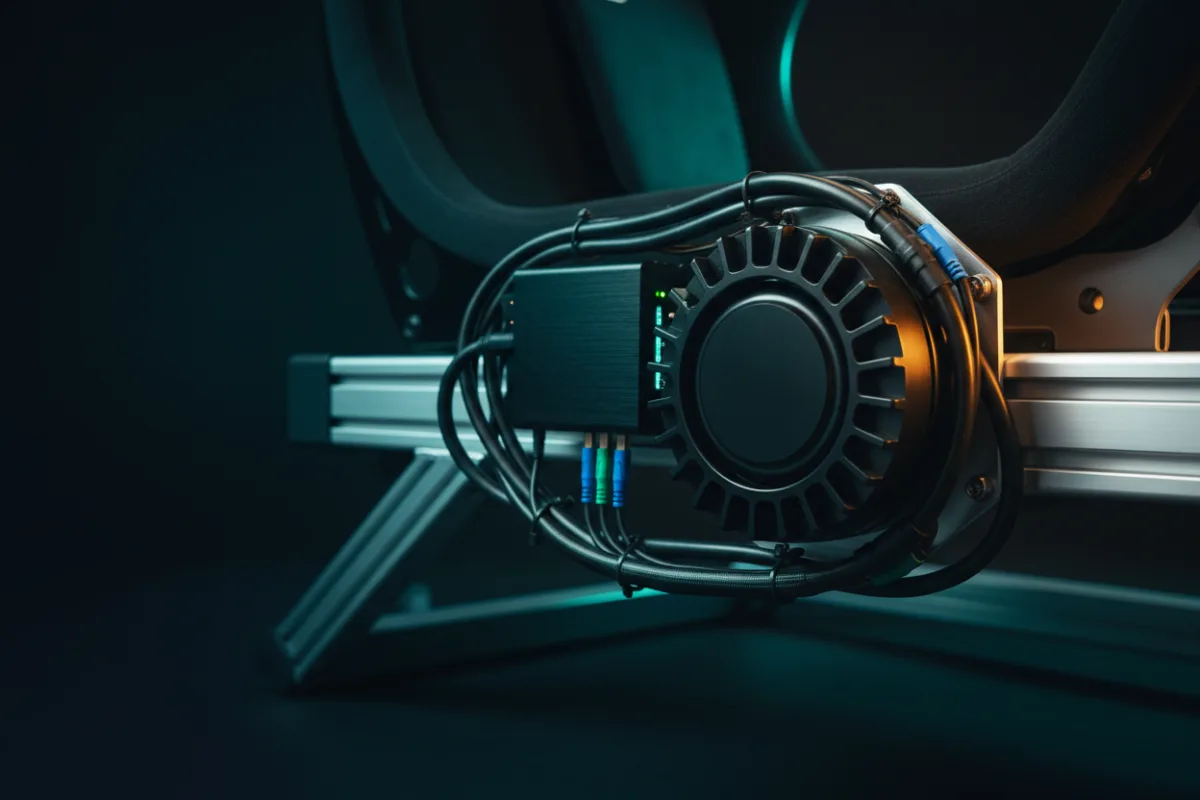

The Dayton Audio BST-2 is a 35 watt tactile transducer, a bass shaker rather than a finished haptic product, and it is the unit I point budget rig builders toward when they want to feel engine rumble and curb strikes for the price of a couple of pizzas. It bolts to a flat surface, turns that surface into a low frequency vibration source, and asks you to supply the two things it does not include: an amplifier and a rigid mounting point. Get those right and it earns its keep. Get them wrong and it is a paperweight.
This review works from Dayton Audio’s published specifications weighed against the pattern in a large base of verified buyer reviews, and you can read how we review for the method behind that. If you have never wired a shaker into a rig before, our guide on how to install a bass shaker covers the amp and routing side this review only summarizes.

At a glance
| Spec | Dayton Audio BST-2 |
|---|---|
| Type | Tactile transducer (bass shaker) |
| Rated power | 35 watts |
| Impedance | 4 ohms |
| Frequency response | 10 to 80 Hz |
| Housing | Cast aluminum |
| Dimensions | 5.15 in diameter x 2.16 in high |
| Weight | 2.6 pounds |
| Mounting | Flat surface, 24 inch attached leads |
| Amplifier | Required, sold separately |
What it is and how it mounts
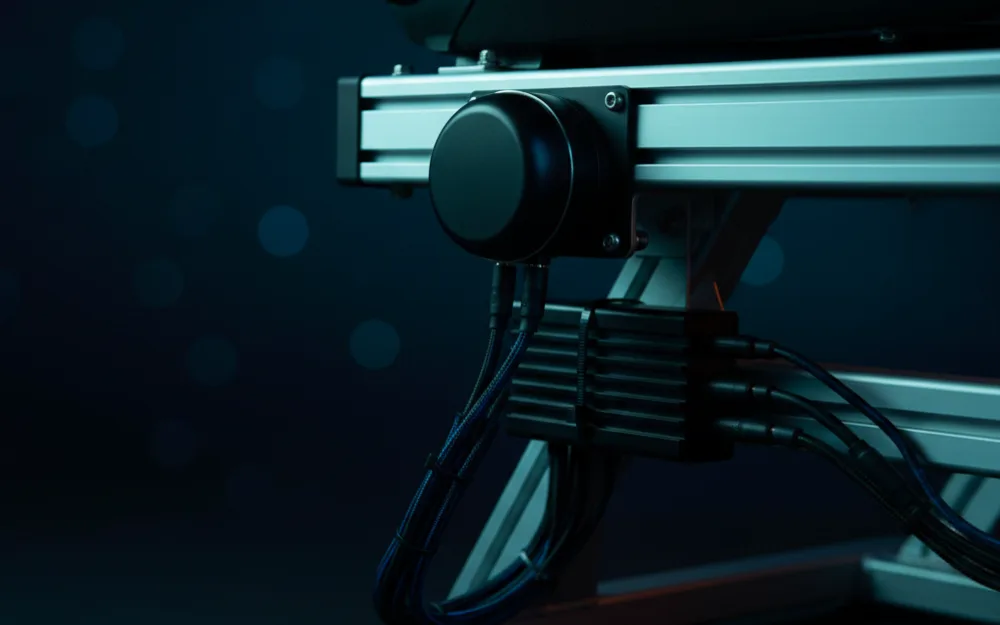
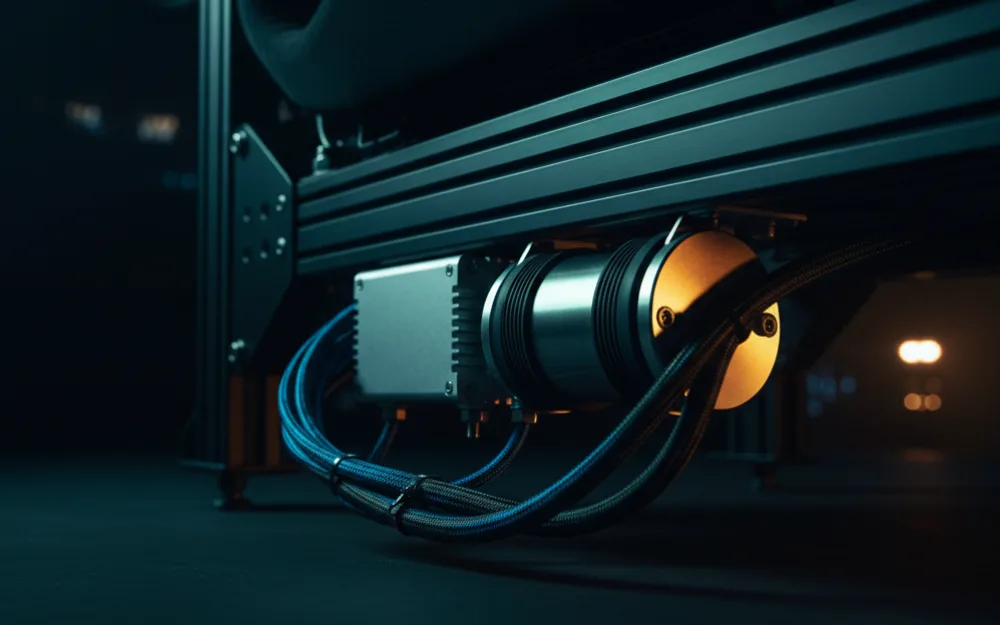
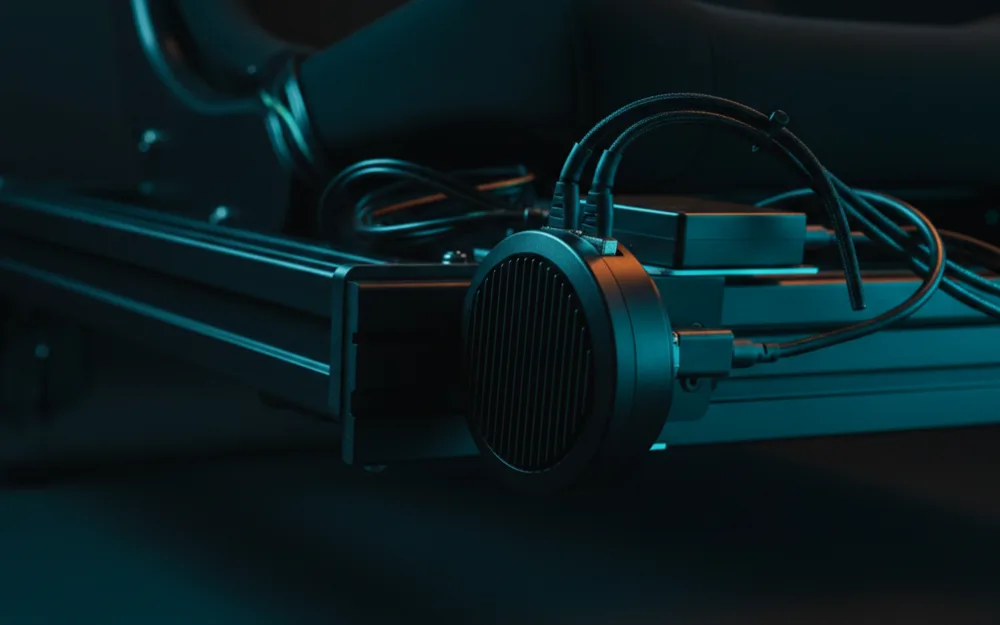
A tactile transducer is a speaker that trades sound for motion. Instead of moving air with a cone, it drives a weighted mass against whatever it is bolted to, so the surface itself becomes the thing you feel. The BST-2 is the smallest of Dayton Audio’s BST shakers, rated at 35 watts and 4 ohms, and at 5.15 inches across and 2.16 inches tall with a 2.6 pound body it is compact enough to tuck under a seat pan or against a frame member without fighting for space. Dayton lists a flat surface mount and gives it 24 inch attached leads, which is a small detail that matters in practice: it lets you reach a mounting spot in a tight cockpit without splicing extension wire. The cast aluminum housing is there to shed heat, since a shaker fed a constant low frequency signal runs warm through a long session.
What it takes to run one
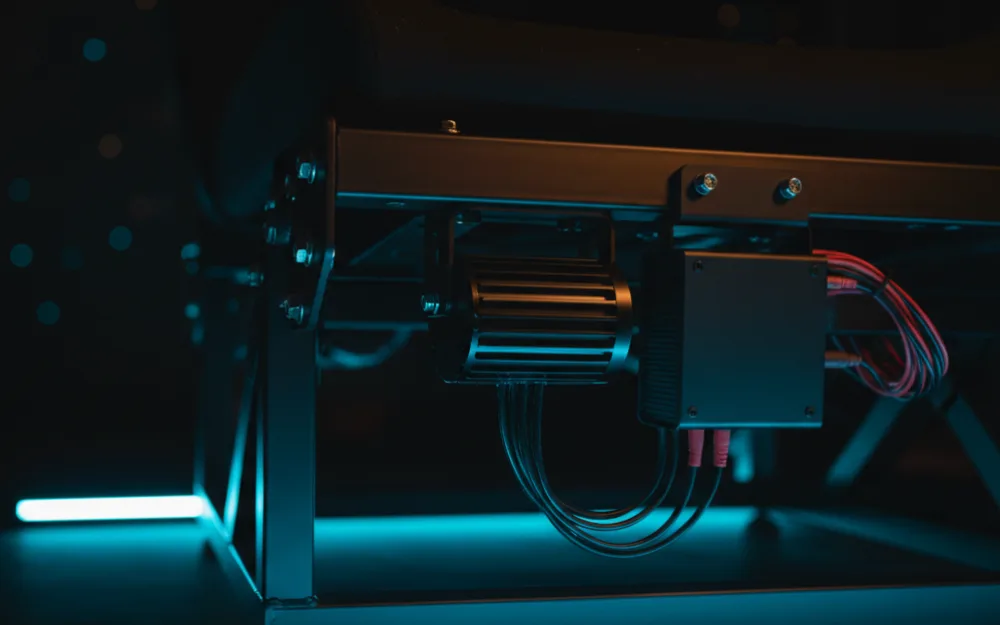
This is the part first time buyers underestimate, so I will be blunt about it. The BST-2 is not a plug and play box. It is the transducer at the end of a chain that needs a bass shaker amplifier and an audio feed, usually split off from your game audio through software such as SimHub so the shaker fires on engine RPM, gear shifts, curbs, and ABS rather than on music. Budget for that amp before you budget for the shaker, because a 35 watt transducer starved of clean power will feel weak and leave you blaming the wrong component. The other half of the equation is what you bolt it to. Mount the BST-2 to a thin, flexing seat pan or a loose bracket and it will waste its energy flexing that panel instead of transferring vibration into your body. Bolt it to something rigid, a solid seat bracket or a frame crossmember, and the same 35 watts reads as a firm, tactile pulse.
How it performs
Owners consistently rate the BST-2 well, and the recurring theme in their reviews is value: a small, honest amount of low end feel for very little money, provided the rest of the chain is sound. Reviewers who run one under a seat describe the payoff as engine rumble and road texture you notice through your body rather than only through headphones, and several point out that a single 35 watt unit is enough to wake up a static cockpit that had no haptics at all before. The flip side shows up in the same reviews. This is the entry rung of the ladder, so people chasing chest thumping impact tend to add a second unit or step up to a higher wattage shaker. Treated as what it is, an affordable first shaker, it satisfies. Treated as a subwoofer replacement, it disappoints, and that expectation gap is the single most common complaint.
Compatibility and setup
The BST-2 is a wired, brand agnostic transducer, so it is not tied to any wheelbase or platform ecosystem. It will work behind any bass shaker amplifier and any sim that can output telemetry to SimHub, which is to say nearly all of them on PC. What it asks of you is planning: an amplifier, a way to route a separate audio or telemetry feed to that amp, and a rigid bolt point. Because it sits at the bottom of Dayton’s BST range, it also leaves you a clean upgrade path. If one 35 watt unit is not enough, the same wiring and amp will happily drive the larger 50 watt BST-1 or a higher output shaker, so nothing you buy now is wasted later.
Who should buy it, and who should skip it
| Buy the BST-2 if | Skip it if |
|---|---|
| You want the cheapest honest way to add tactile feel to a rig | You want haptics working the day it arrives with no amp to wire |
| You already own or plan to add a bass shaker amplifier | You expect subwoofer level impact from a single 35 watt unit |
| You have a rigid seat or frame to bolt it to | Your seat pan or mount flexes and you cannot fix that first |
| You want a starting point you can expand later | You would rather buy one bigger shaker than grow a system |
How it scores
The WSR Score shown above reflects verified buyer ratings gathered and normalized on a consistent scale, not an editorial rubric. You can read what goes into it on How We Review. On that basis the BST-2 rates strongly, which matches its reputation as a low risk entry into tactile feedback.
Alternatives worth a look
If you want a plug and play haptic pad with no amplifier to sort out, the Next Level Racing HF8 gets you there faster, though it costs more. To see where this unit sits against the rest of the field, start with the best bass shakers for sim racing, and if the concept itself is new, our bass shaker explainer covers the basics. You can browse the wider category in haptics and bass shakers.