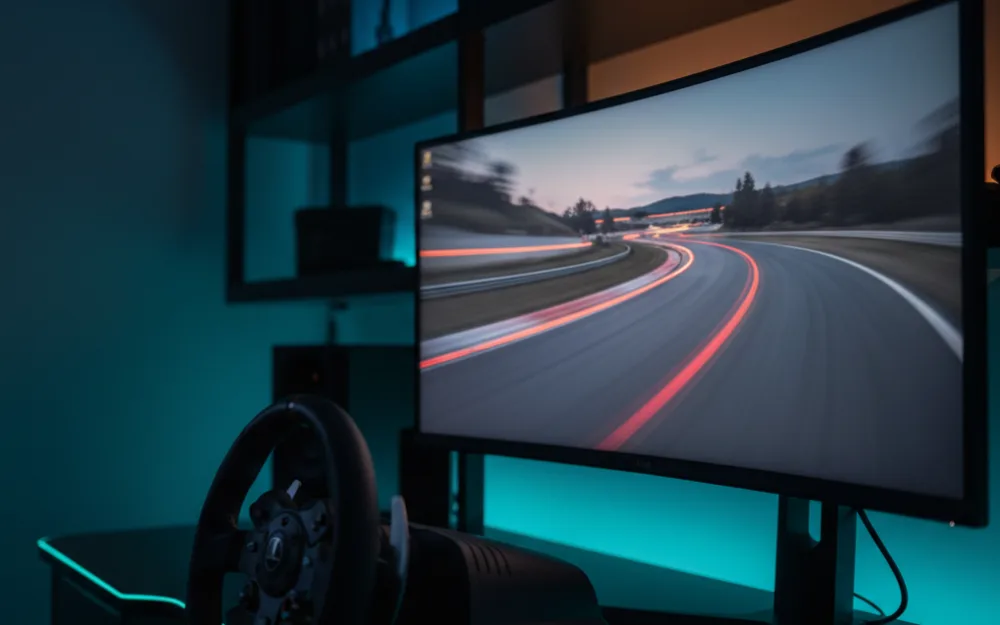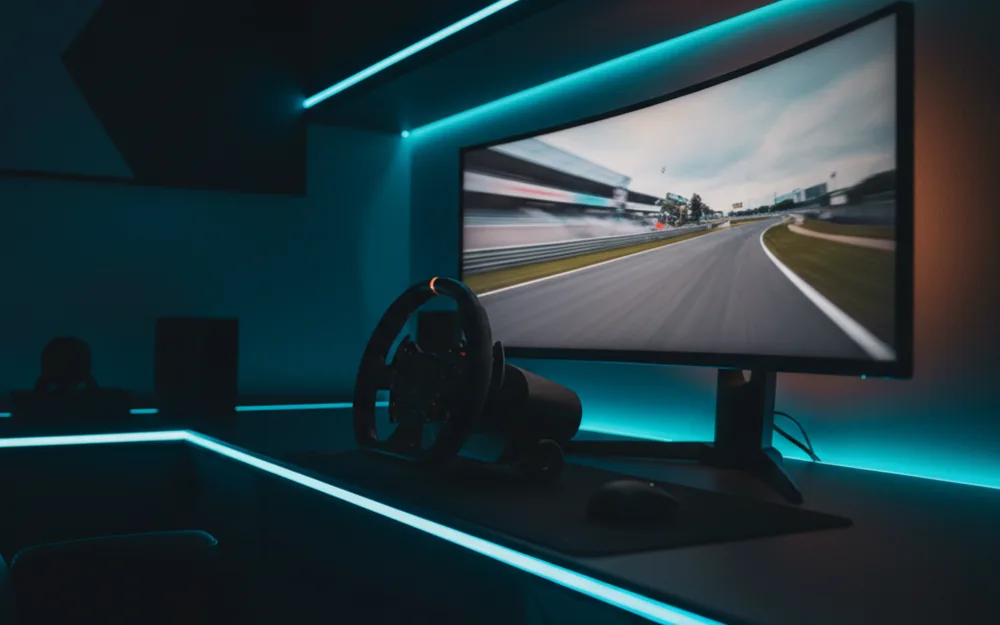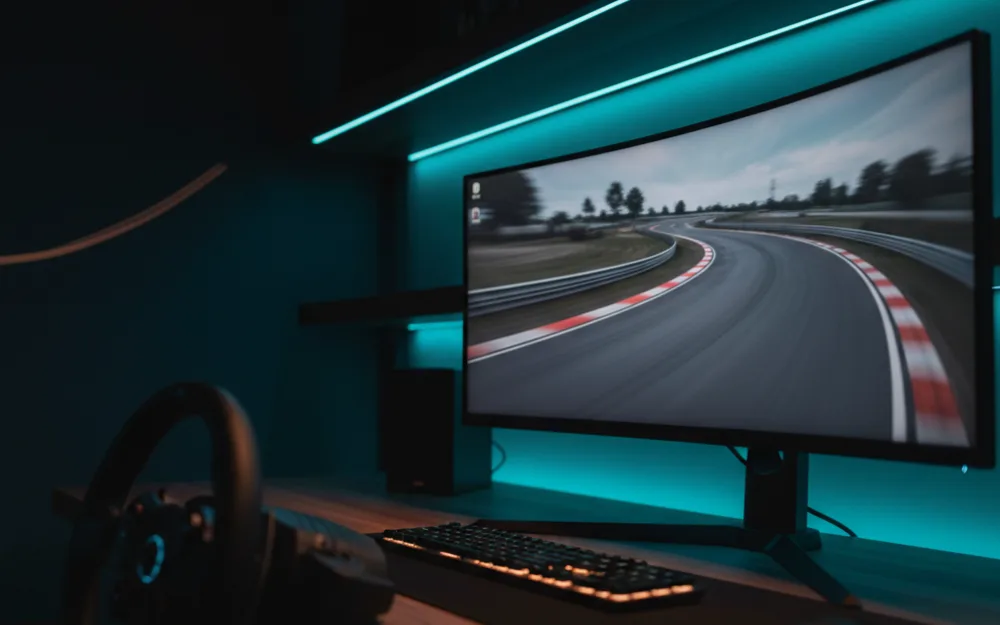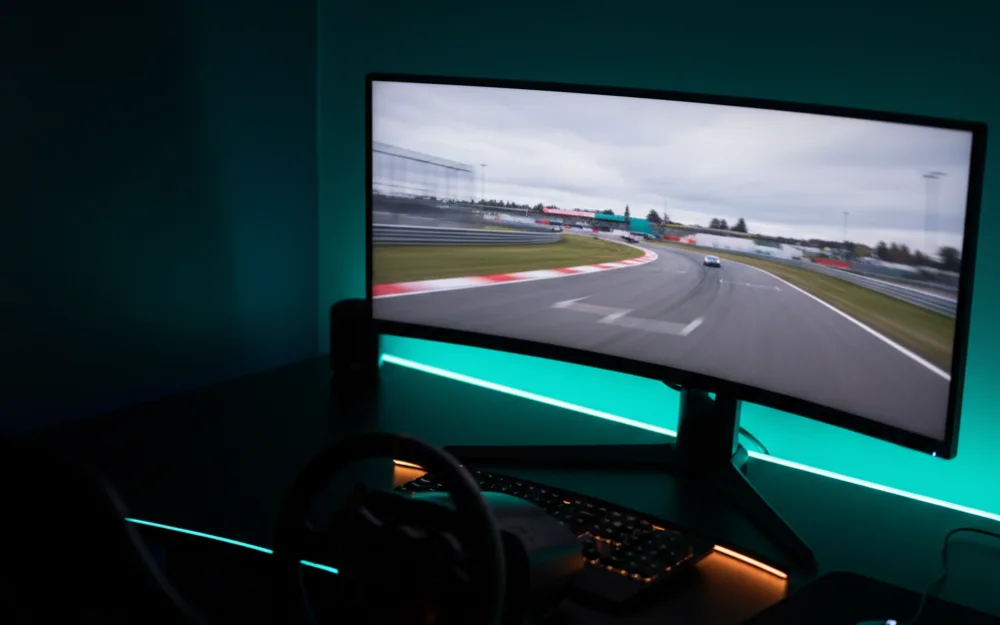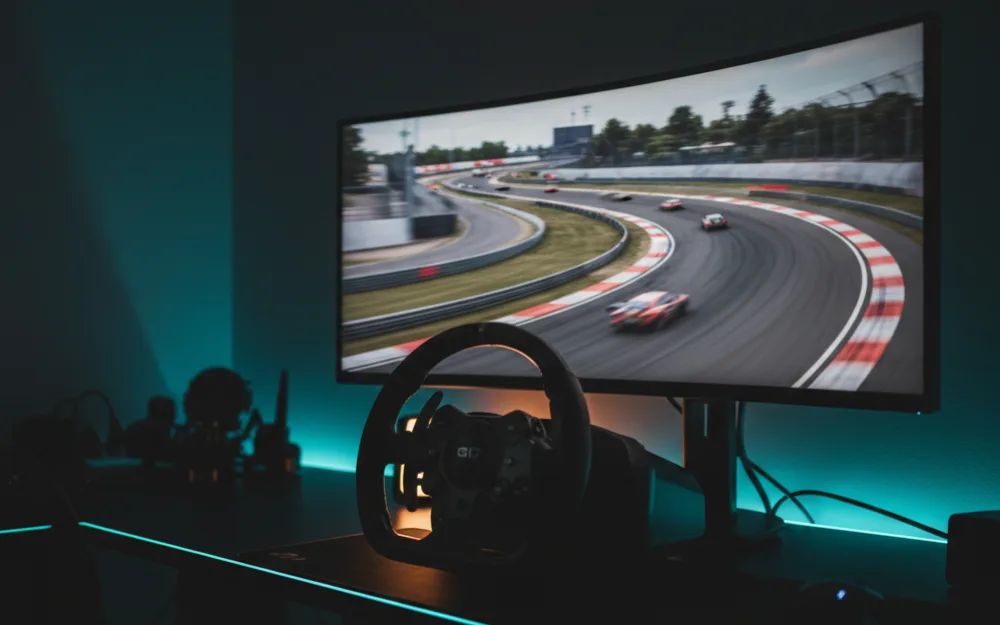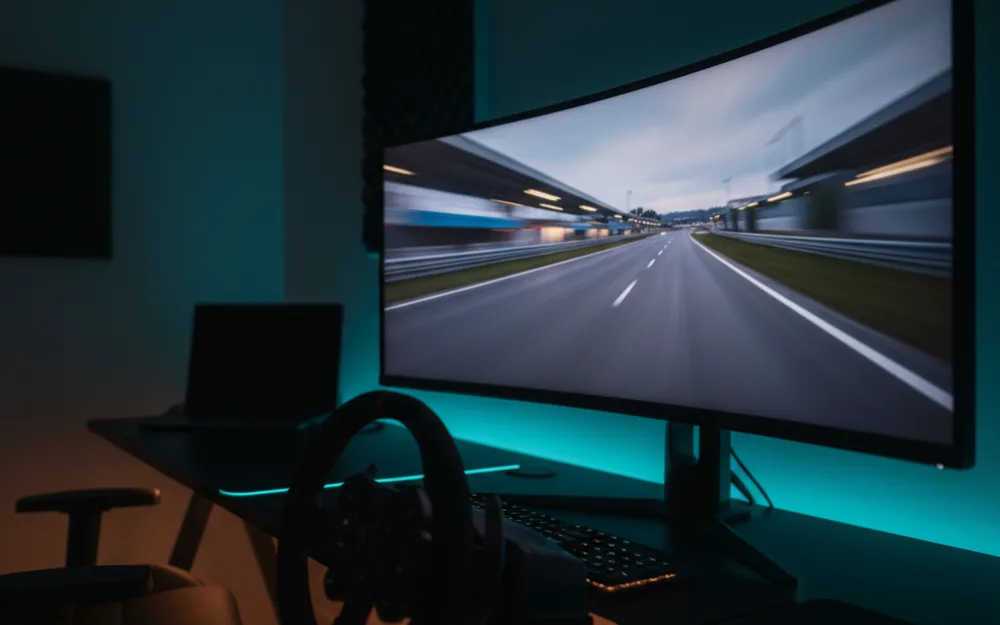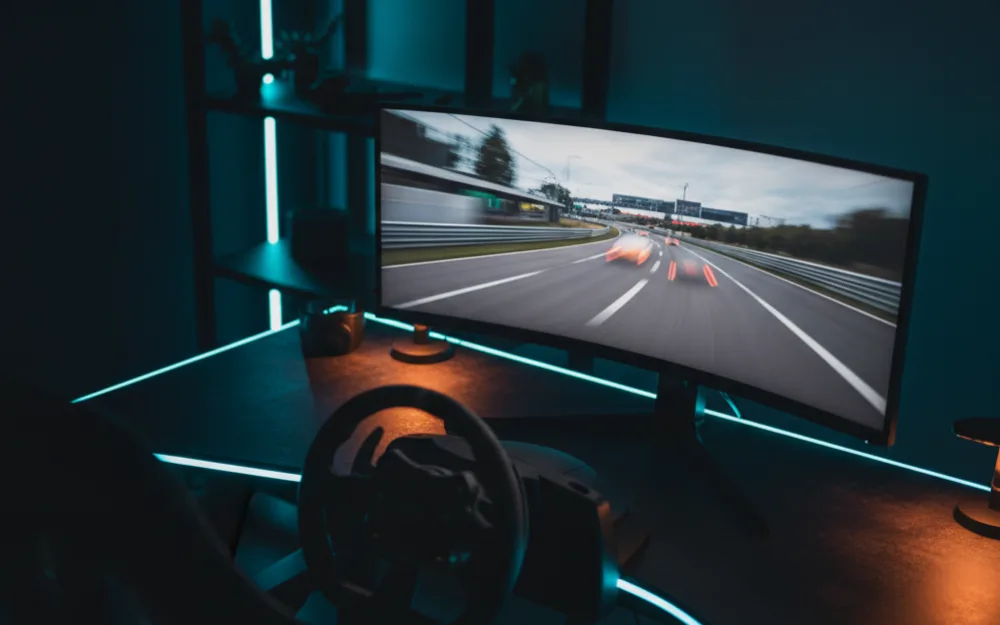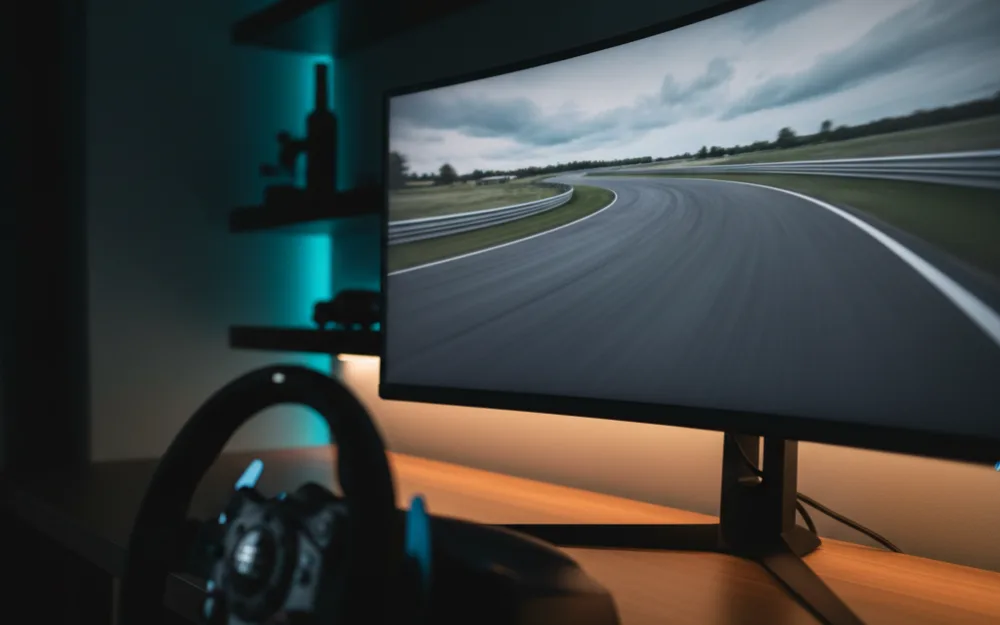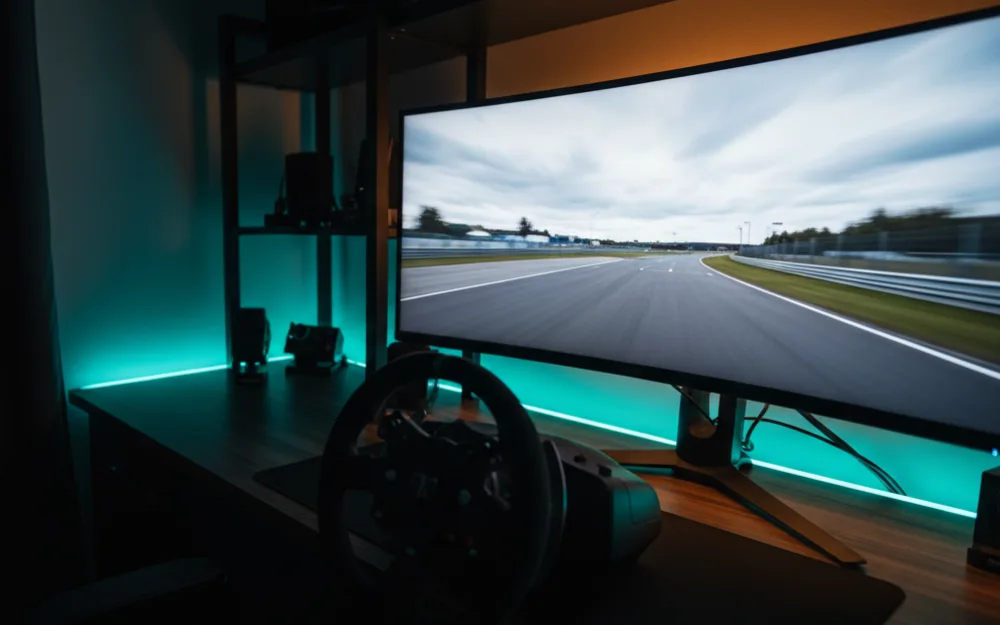

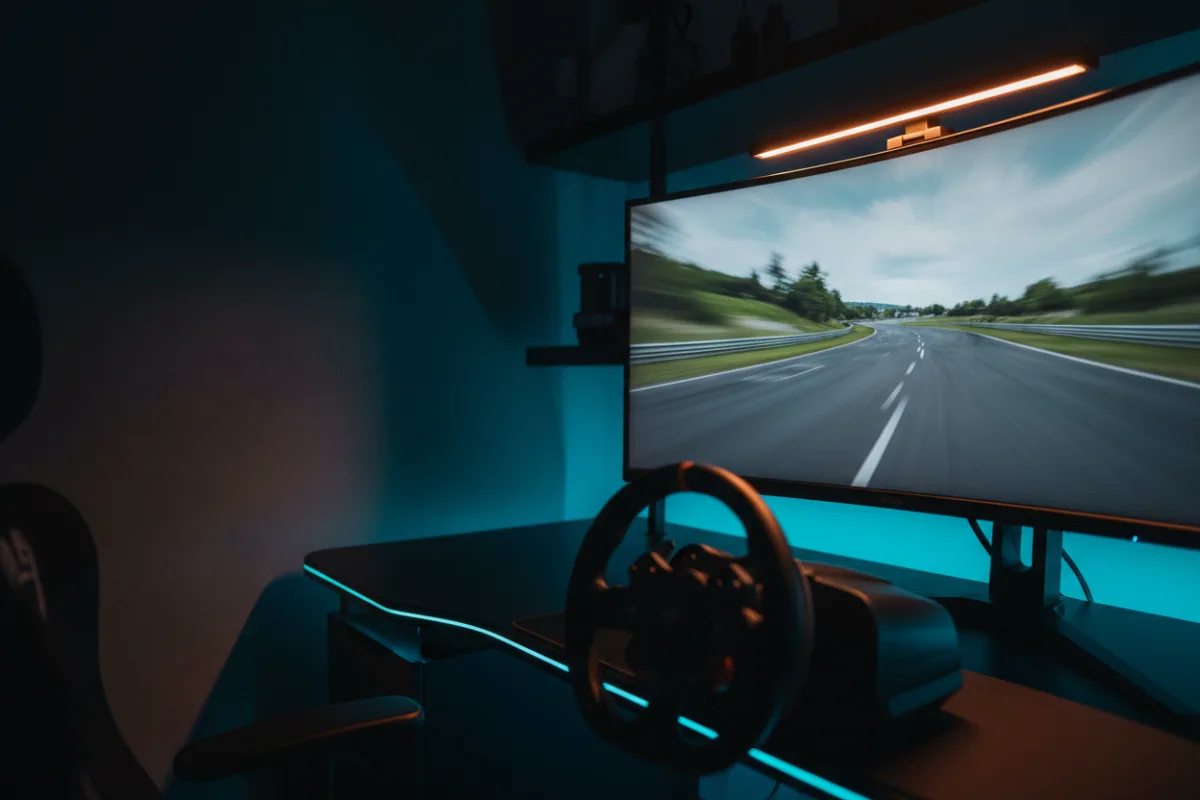

This roundup is about white OLED ultrawides, the panel family LG builds under the UltraGear name, and it is deliberately separate from the quantum dot side of the OLED world. White OLED, or WOLED, lights a white emissive layer and passes it through a color filter with an added white subpixel, which is what lets these panels reach high peak brightness while a factory matte coating keeps reflections and text under control. That coating and subpixel structure are the reason many drivers who also work at the same desk prefer WOLED, and this list walks up the size ladder from a 34 inch, 21:9 ultrawide to a 45 inch superwide, so you can match the format to your desk before you match it to your GPU.
We compared manufacturer specifications against measurements reported by independent review outlets and recurring owner feedback, and you can read how we review. Maker copy frames every one of these as pure immersion, while reviewers who cover ultrawide OLED panels are more specific about coating behavior, text clarity, and the desk depth a 45 inch panel really needs. If you have not settled on how much width helps on track, our guide to field of view (FOV) is the place to start.


How we picked
We confirmed each panel as white OLED rather than QD-OLED first, since the two reach an OLED image through different structures and behave differently under a lamp. Coating mattered next, because WOLED’s factory matte finish is one of its practical advantages, scattering glare and rendering small text more cleanly than a glossy panel does. From there we weighed size against resolution, because a 45 inch panel spreading the same pixel count as a 34 inch panel looks softer unless the resolution climbs with it. Curvature radius, refresh rate, and adaptive sync certification rounded out the criteria, since an ultrawide is already a heavy GPU load and a panel that cannot hold its rated refresh under that load is not delivering the number on the box.
At a glance
| Model | Size and ratio | Resolution | Refresh | Curve | Panel warranty |
|---|---|---|---|---|---|
| LG 34GS95QE | 34 inch, 21:9 | 3440 x 1440 | 240 Hz | 800R | 2 year |
| LG 34GX90SA | 34 inch, 21:9 | 3440 x 1440 | 240 Hz | 800R | 2 year |
| LG 45GX900A | 45 inch, 21:9 | WQHD | 240 Hz | Steep curve | See listing |
| LG 45GX950A | 45 inch, 21:9 | 5120 x 2160 (5K2K) | 165 Hz (330 Hz Dual-Mode at WFHD) | Curved | See listing |
LG 34GS95QE: the balanced 34 inch WOLED
The 34GS95QE is a 34 inch, 21:9 WOLED at 3440 by 1440, running 240 Hz with a 0.03 ms response, a steep 800R curve, contrast of 1.5M to 1, and DisplayHDR True Black 400 behind an anti-glare matte finish. For a racer who wants a wider view without rearranging the desk, this is the natural starting point, and reviewers who compare curved OLEDs describe the 800R radius at this size as an enveloping wrap that pulls the far edges into your peripheral vision more than a gentler curve does. It is validated as both FreeSync Premium Pro and G-Sync Compatible over HDMI 2.1 and DisplayPort 1.4. The measured caveats are the ones the whole family shares: peak brightness that trails a bright LCD in a sunlit room, and a 2 year warranty that, while it does cover the panel, is shorter than the coverage on some QD-OLED rivals.
LG 34GX90SA: the same wrap, brighter and smarter
The 34GX90SA keeps the 34 inch, 21:9, 800R WOLED foundation at 240 Hz and 0.03 ms, but adds two things that matter here: a higher rated peak brightness of 1300 nits and LG’s webOS smart platform with USB-C at 65W power delivery. For a driver in a room with some ambient light, that brightness headroom is the practical reason to choose it over the 34GS95QE, since a brighter WOLED holds highlights better against a window than a dimmer one. It carries 98.5% DCI-P3 color, DisplayHDR True Black 400, and FreeSync Premium with G-Sync Compatible validation. The caveat is that the smart platform and the extra brightness sit at a higher price than the plainer 34GS95QE for the same panel size and shape, and the warranty term matches its sibling rather than beating it.
LG 45GX900A: the fast 45 inch step up
The 45GX900A moves to a 45 inch, 21:9 WOLED at a WQHD resolution, rated at 240 Hz, and it is the pick for a driver who wants the bigger, more enveloping panel while keeping the fast refresh of the 34 inch models. Reviewers who cover large curved OLEDs describe a 45 inch panel at a steep curve as the most immersive single screen wrap short of a 32:9 super ultrawide, since the size fills more of your vision at a normal seating distance. The honest caveat is pixel density: spreading a WQHD pixel count across 45 inches puts fewer pixels per inch on screen than the 34 inch panels above, so text and fine distant detail look softer by comparison, and the larger footprint needs real desk depth. Confirm the current warranty term on the listing before you buy.
LG 45GX950A: the sharpest 45 inch flagship
The 45GX950A is the flagship of this list, a 45 inch, 21:9 WOLED at a 5120 by 2160 resolution that LG markets as 5K2K WUHD. Where the 45GX900A trades resolution for a lower price and a headline refresh number, this panel spends its budget on pixels, and reviewers who compare large format OLEDs point to that higher density as the reason text and distant track detail stay sharp even at 45 inches. That is the case for it: the widest immersive wrap here without the softness that a lower resolution shows at this size. The caveats are equally clear. It asks the most of any panel in this roundup for GPU power and desk depth, and its native 165 Hz at 5K2K trails the 240 Hz 45GX900A that is built for pure speed (LG’s Dual-Mode reaches 330 Hz only by dropping to a lower WFHD resolution), so a racer chasing frames over sharpness should choose that one instead. Our LG 45 Ultragear OLED review covers the 45 inch class in depth.
WOLED versus QD-OLED for a sim desk
The two OLED families split along a few measurable lines. WOLED adds a white subpixel to a color filter stack, which lifts peak brightness and pairs with a factory matte coating that scatters glare and renders small text cleanly, so it suits a panel that doubles as a work display or sits in a lit room. QD-OLED skips the white subpixel and converts light through quantum dots, which holds color saturation better as brightness climbs but often arrives with a glossier finish that shows reflections. Neither is simply better; they trade brightness handling and text clarity against color volume. If you specifically want the quantum dot side, our best QD-OLED monitors roundup covers that field, including the coating and warranty differences in detail.
Who should buy which
| Pick this if | Look elsewhere if |
|---|---|
| You want a balanced 34 inch WOLED wrap (LG 34GS95QE) | You race in bright daylight and need maximum brightness against glare |
| You want the brightest 34 inch WOLED with smart features (LG 34GX90SA) | You do not want to pay for a smart platform you will not use |
| You want a bigger 45 inch wrap at a fast refresh (LG 45GX900A) | Text and distant detail sharpness is your top priority |
| You want the sharpest 45 inch panel available (LG 45GX950A) | Your GPU or desk cannot handle a 45 inch, high resolution panel |
Skip this list entirely if you have a shallow desk or a modest graphics card. A 34 inch WOLED already asks for both, and the 45 inch panels ask for much more; a standard 16:9 or a smaller OLED is the realistic choice in that case.
How we score
The WSR Score shown in the product cards above reflects verified buyer ratings gathered and normalized on a consistent scale, not an editorial rubric. You can read what goes into it on How We Review.
More displays to compare
For the quantum dot alternative to these WOLED panels, see our best QD-OLED monitors roundup. If you want the widest possible single screen, our best 49 inch ultrawides guide covers the 32:9 super ultrawides, and for immersion below OLED prices start with our best curved monitors for sim racing. The full field sits in best ultrawide monitors for sim racing, and the monitors category has the rest of our display coverage.